
Speak to one of our experts.

Speak to one of our experts.
We’ve selected the material that offers the best balance of performance and comfort for your vehicle’s needs.
Our Comfort grade bushes are designed to enhance ride quality and minimise road noise, making them ideal for everyday driving. They are softer, providing maximum suspension articulation and a cushioned feel that absorbs bumps and vibrations effectively. This softer composition ensures a smoother, quieter driving experience, especially in Classic cars or Land Rovers. Comfort bushes maintain a balance between originality and ease of driving, catering to those who value a relaxed Factory-Fresh drive.
The Dynamic grade bushes offer a middle ground between Comfort and Performance. They are slightly firmer than the Comfort bushes, which improves handling and cornering response without sacrificing too much ride comfort. These bushes are ideal for drivers who enjoy a more engaging driving experience while still needing a level of comfort for daily use, whilst also being suitable for spirited driving & light track use.
Performance grade bushes are the stiffest of the three, designed for enthusiasts who demand the utmost in handling and control. They offer minimal deflection, enhancing vehicle response and stability during aggressive driving. These bushes are perfect for high-performance or track vehicles where precision and handling are critical. While they might sacrifice some ride comfort, they deliver superior driving dynamics and control, ideal for those who push their vehicle to its limits – Including Towing!
These rods are produced in 90 Shore A which allows them to be machined on a lathe.
Polybush Shop
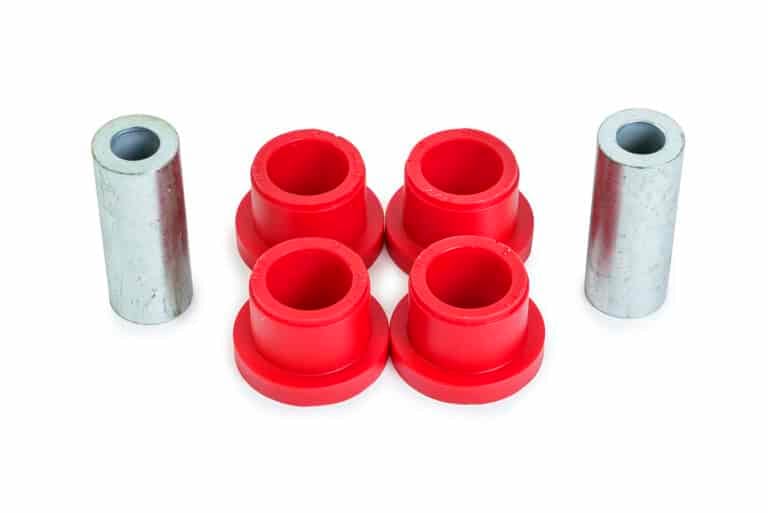
Vehicle Sets
OE Reference: 1J0-407-182, 180-407-182, 191-407-182, 357-407-182
Bushes Per Vehicle Set: 2
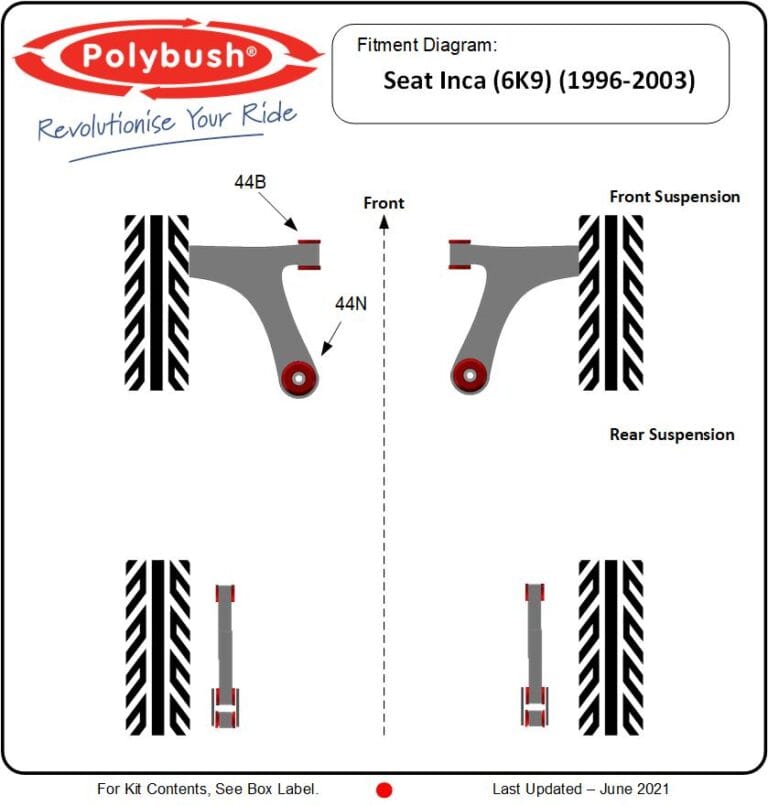
44B
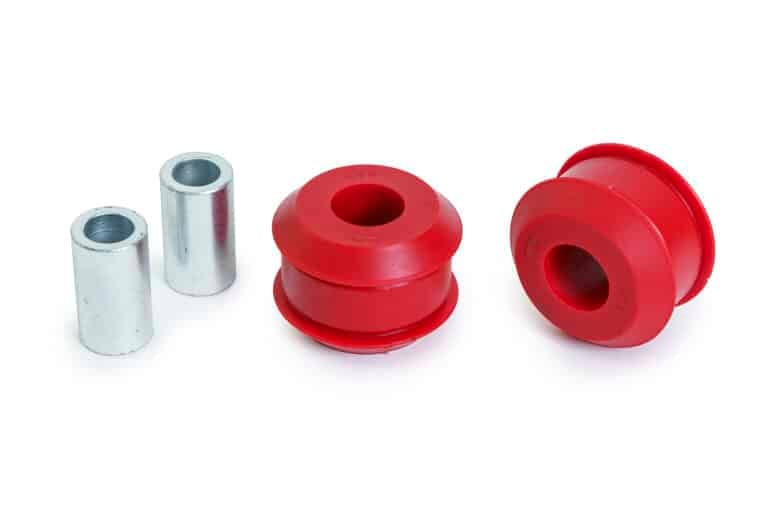
Vehicle Sets
OE Reference: 6N0-407-181
Bushes Per Vehicle Set: 2
Polybush – Thinsulate Beanie
Polybush – Baseball Cap
Bushes Per Vehicle Set: 2
Bushes Per Vehicle Set: 1
What Do The Different Grades Mean?
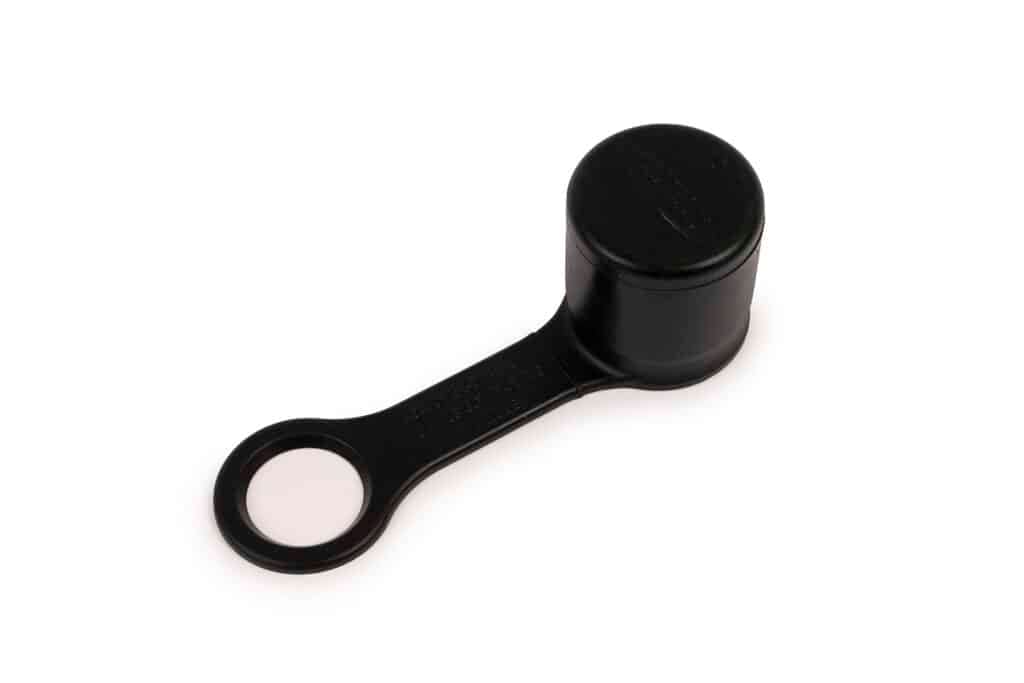
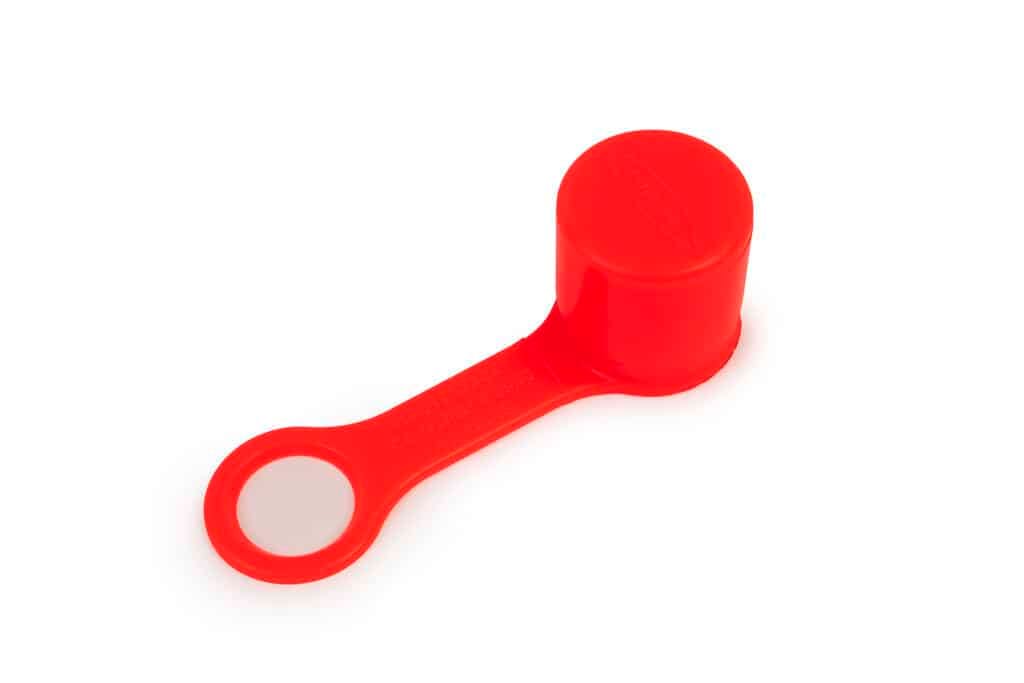
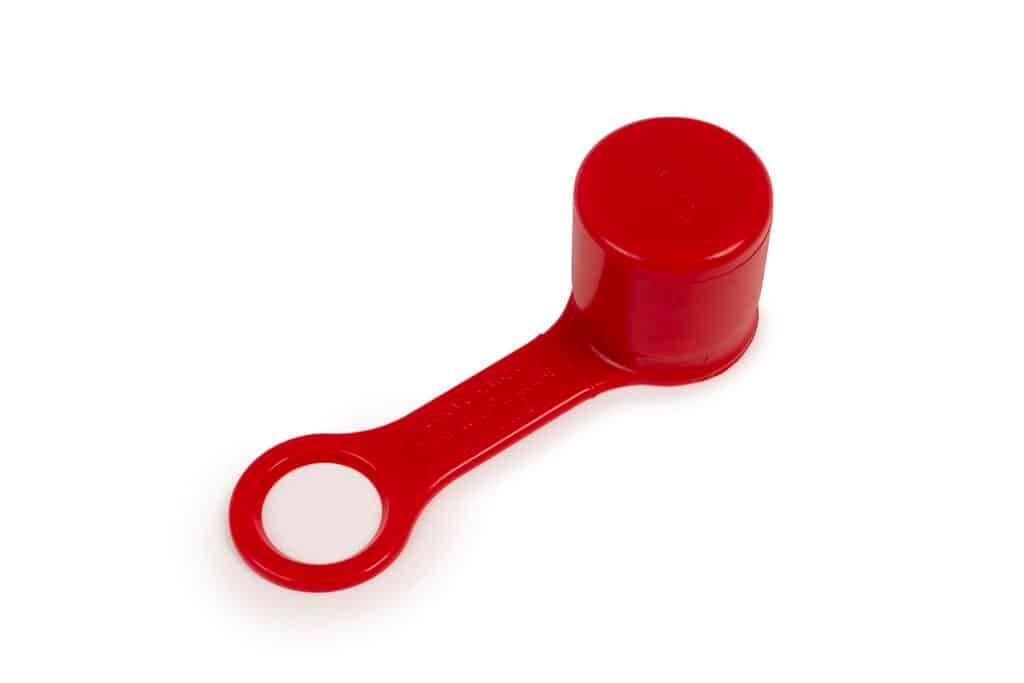
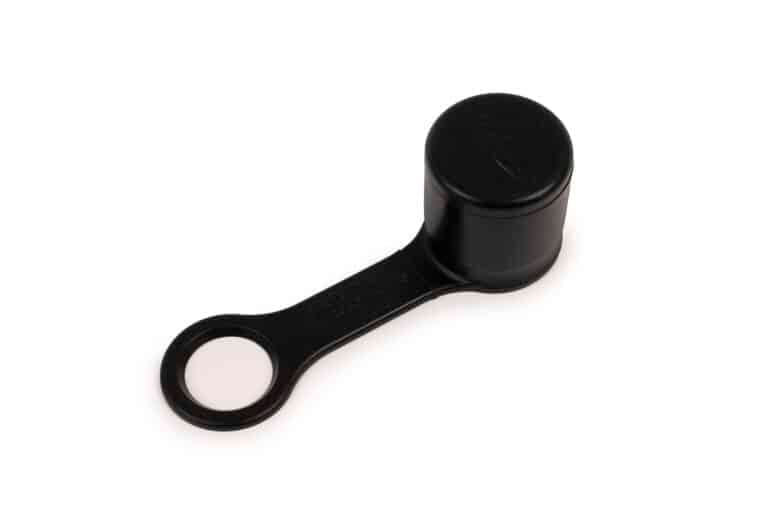
Tow Bar Ball Cover Protective Cap

Photos
Fitting Videos
Specifications
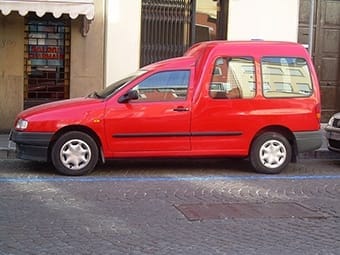
Seat Inca bushes are a short list, and that is the point. The 6K9, built from 1996 to 2003, is a small panel van sitting on Ibiza Mk 2 mechanicals, and a van is simply a car asked to carry more weight for longer. Polybush lists two parts for it, both at the front, because that is where a loaded Inca does its damage.
The front wishbone rear bush is the one that fails first. It resists the wheel being pushed backwards under braking, and with a full load behind it that force is considerably greater than the same van running empty. When it collapses you get a distinct clonk on the brakes and a steering wheel that no longer self centres cleanly. The pressed arm front bush goes more quietly, showing up as vague steering and uneven wear across the front tyres rather than as a noise.
Replacing both in polyurethane makes sense on a working vehicle, because the material resists the oil, water and road salt that destroy rubber and it does not soften under sustained load. See the Ibiza Mk 2 it is based on, the Cordoba Mk 1, or the Seat range.