
Speak to one of our experts.

Speak to one of our experts.
We’ve selected the material that offers the best balance of performance and comfort for your vehicle’s needs.
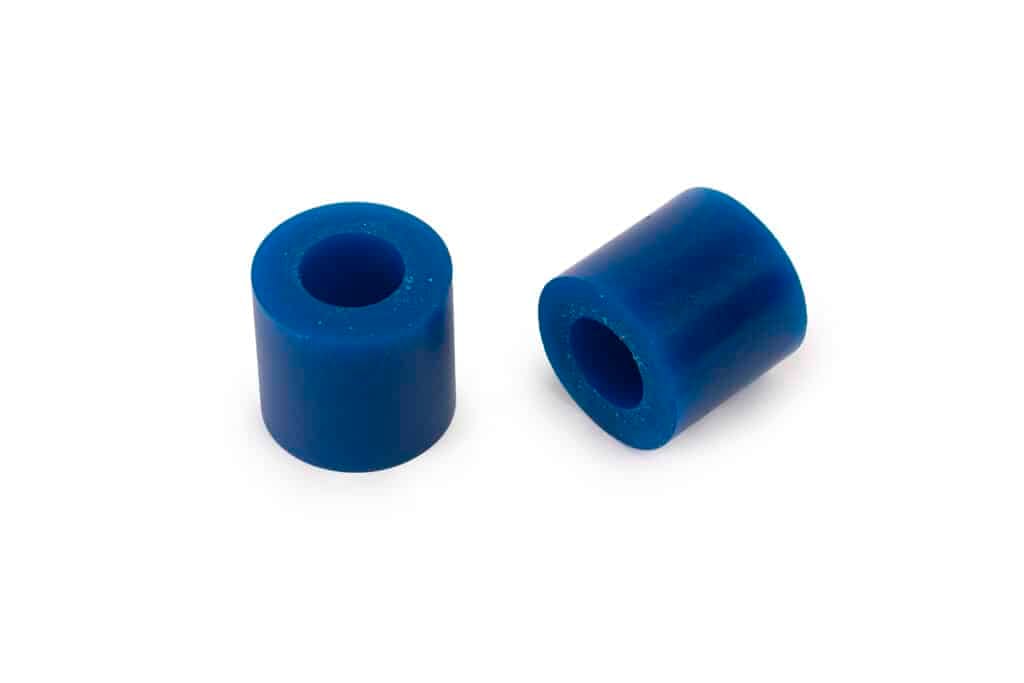
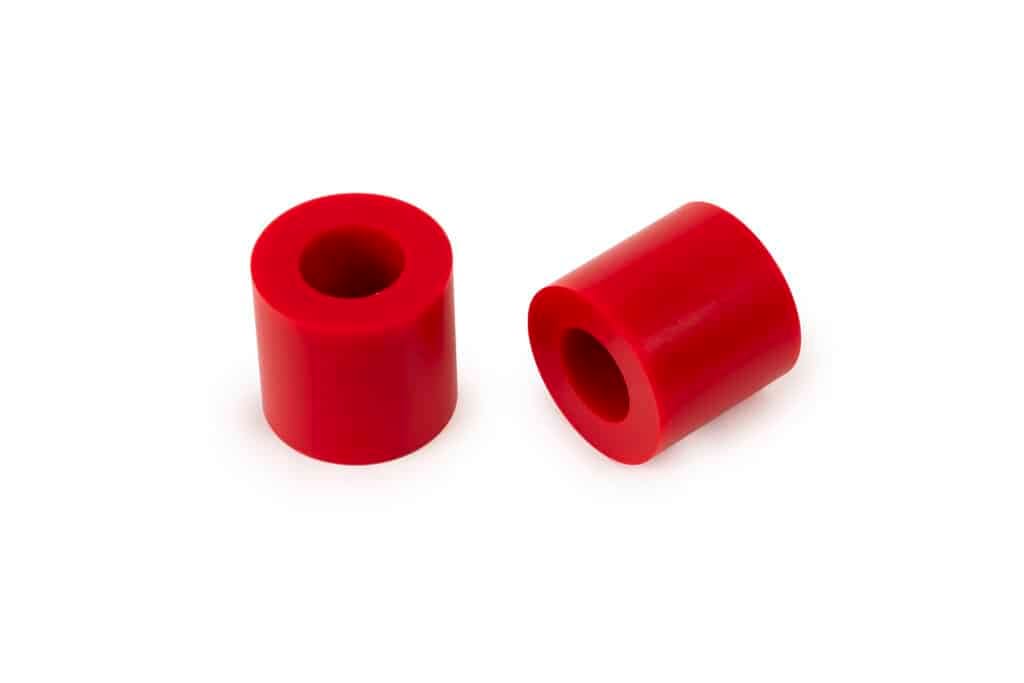
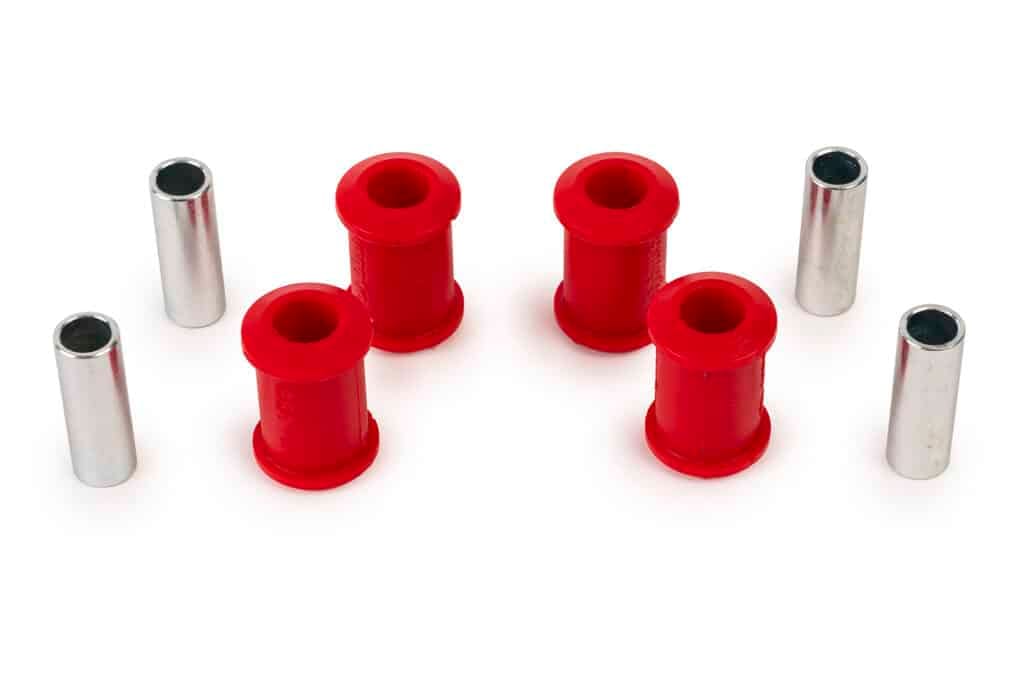
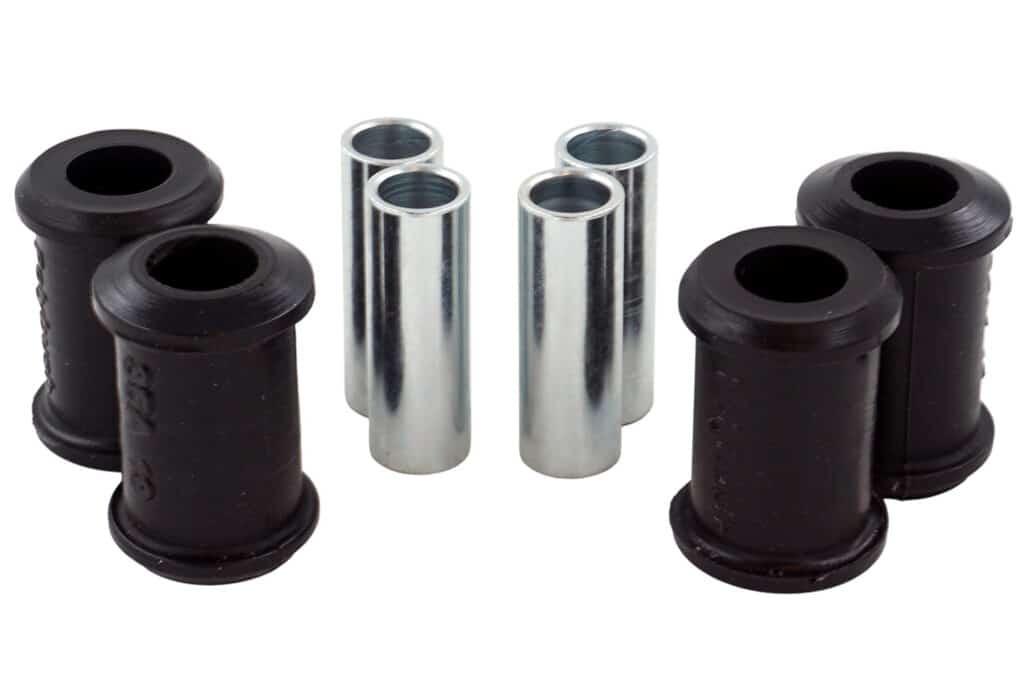
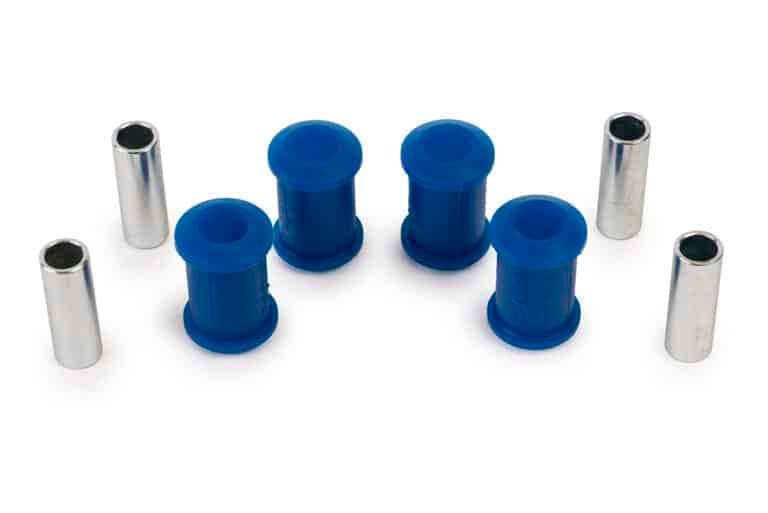
Our Comfort grade bushes are designed to enhance ride quality and minimise road noise, making them ideal for everyday driving. They are softer, providing maximum suspension articulation and a cushioned feel that absorbs bumps and vibrations effectively. This softer composition ensures a smoother, quieter driving experience, especially in Classic cars or Land Rovers. Comfort bushes maintain a balance between originality and ease of driving, catering to those who value a relaxed Factory-Fresh drive.
The Dynamic grade bushes offer a middle ground between Comfort and Performance. They are slightly firmer than the Comfort bushes, which improves handling and cornering response without sacrificing too much ride comfort. These bushes are ideal for drivers who enjoy a more engaging driving experience while still needing a level of comfort for daily use, whilst also being suitable for spirited driving & light track use.
Performance grade bushes are the stiffest of the three, designed for enthusiasts who demand the utmost in handling and control. They offer minimal deflection, enhancing vehicle response and stability during aggressive driving. These bushes are perfect for high-performance or track vehicles where precision and handling are critical. While they might sacrifice some ride comfort, they deliver superior driving dynamics and control, ideal for those who push their vehicle to its limits – Including Towing!
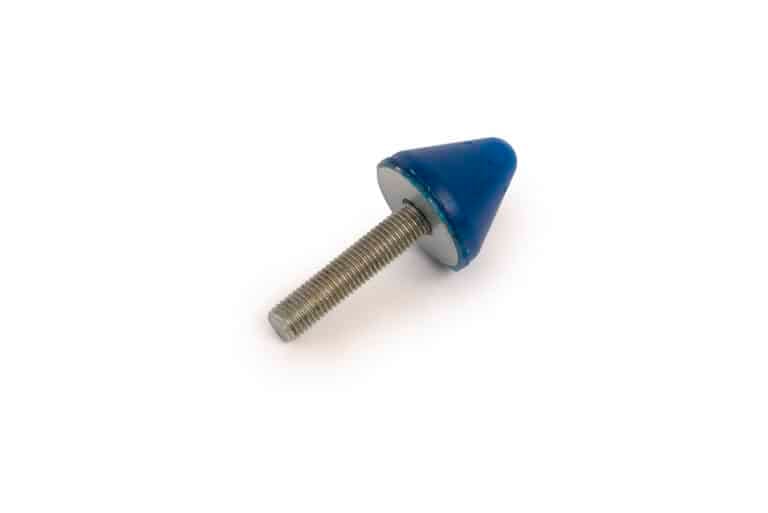
These rods are produced in 90 Shore A which allows them to be machined on a lathe.
Polybush Shop
Vehicle Sets
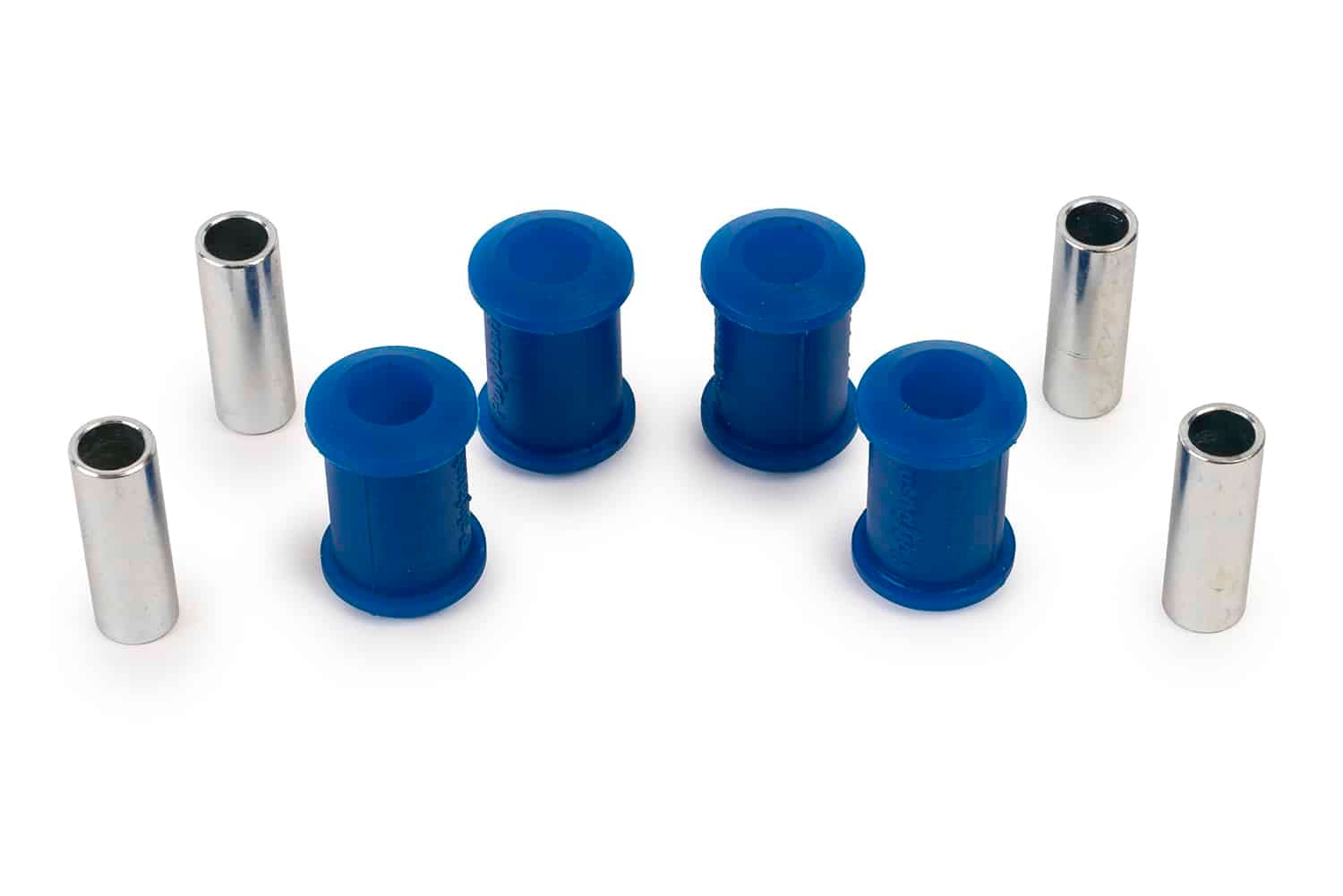
35A
Number of bushes: 4
OEM number: 119451
Vehicle Sets
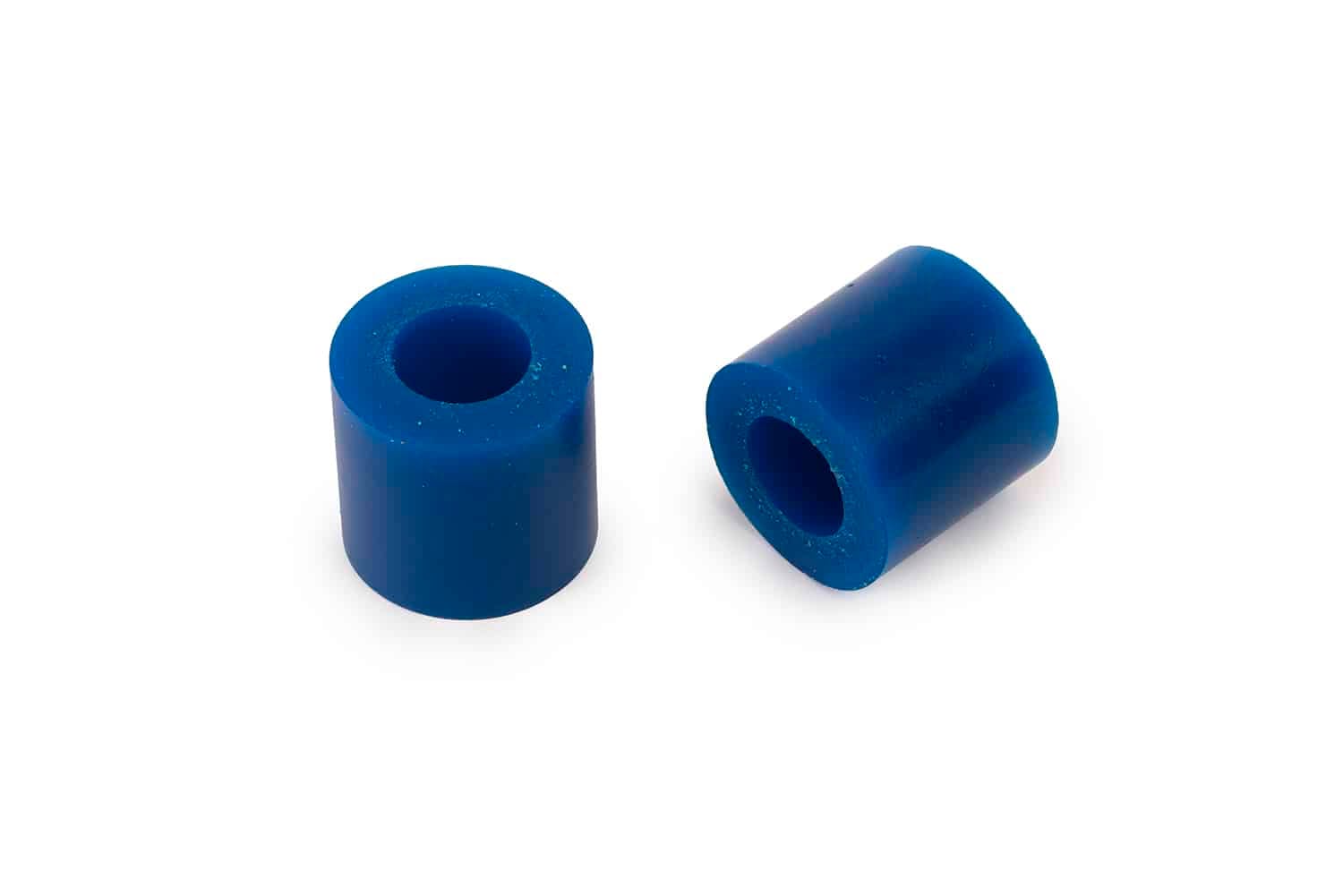
34B
Number of bushes: 2
OEM number: 123998
Vehicle Sets
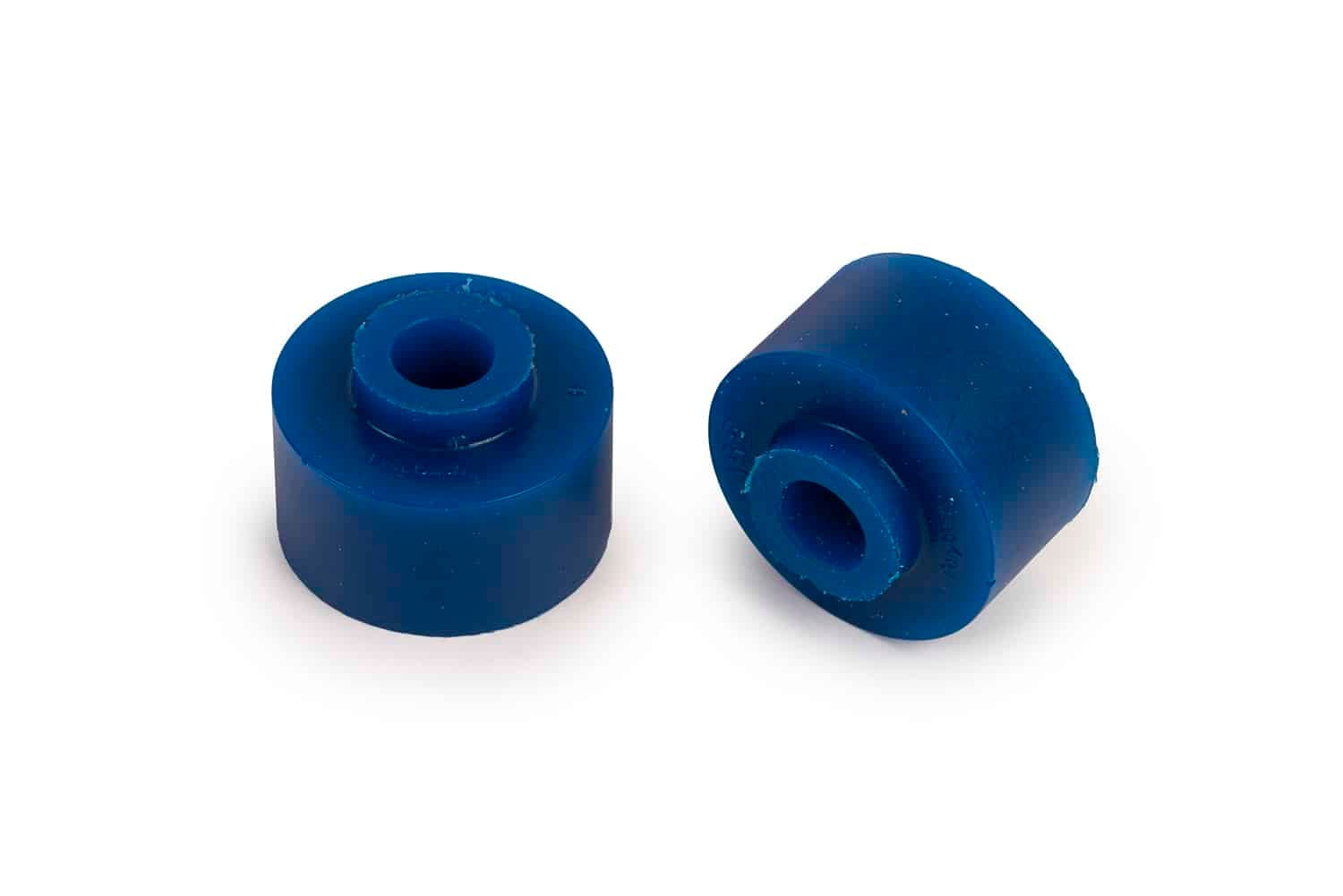
35E
Number of bushes: 2
OEM number: 133568
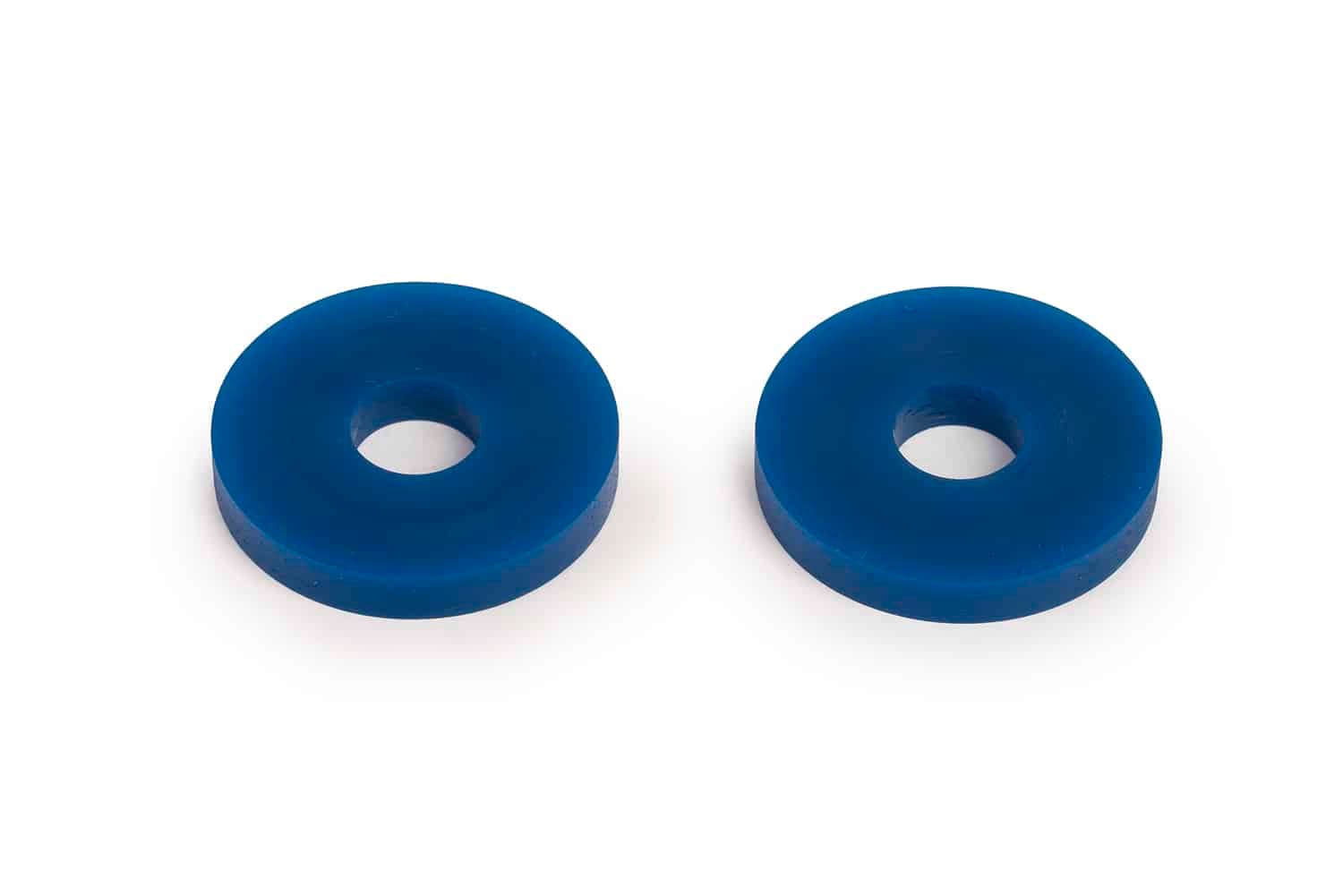
Vehicle Sets
35F
Number of bushes: 2
OEM number: 131796
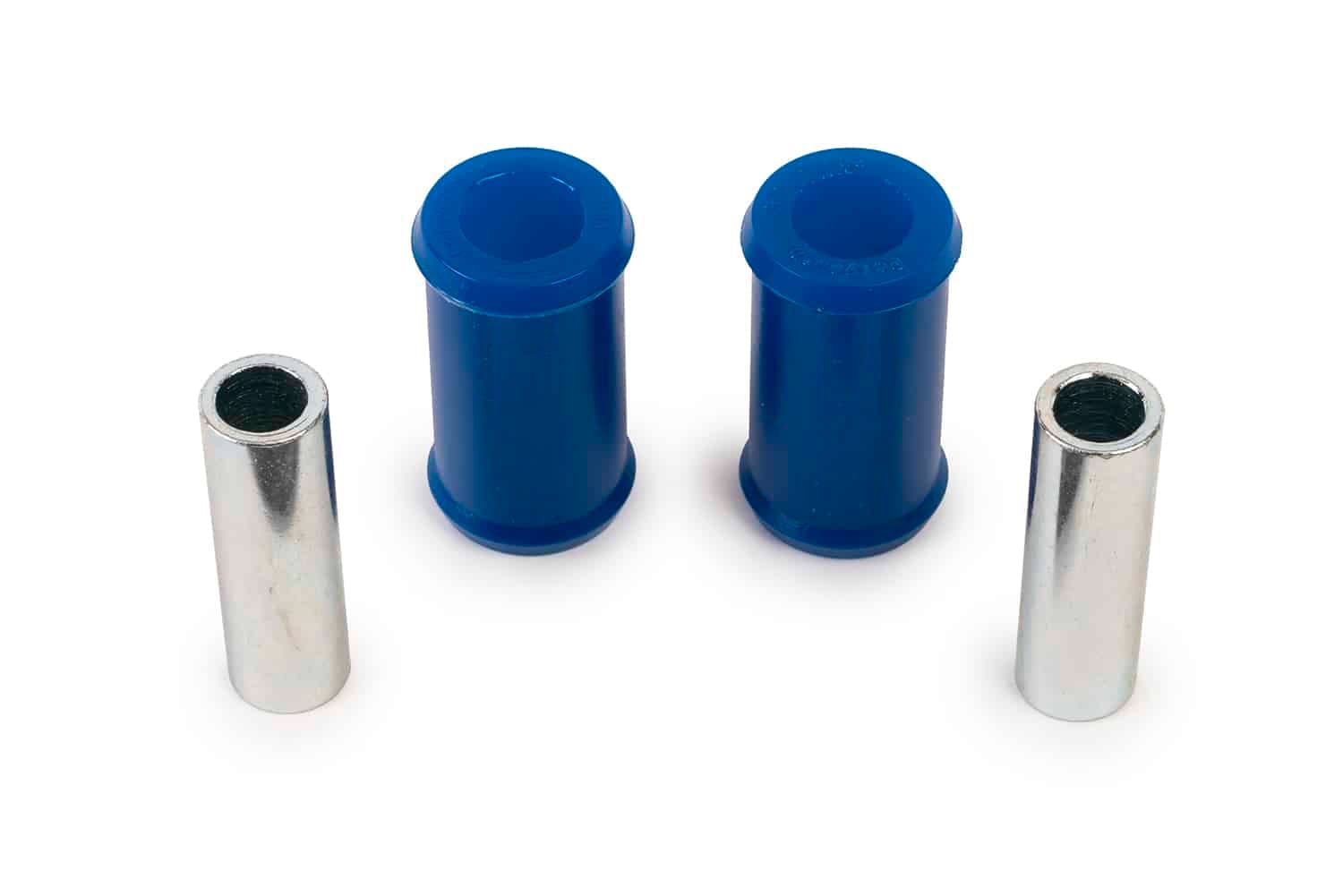
Vehicle Sets
33A
Number of bushes: 2
OEM number: 88G278
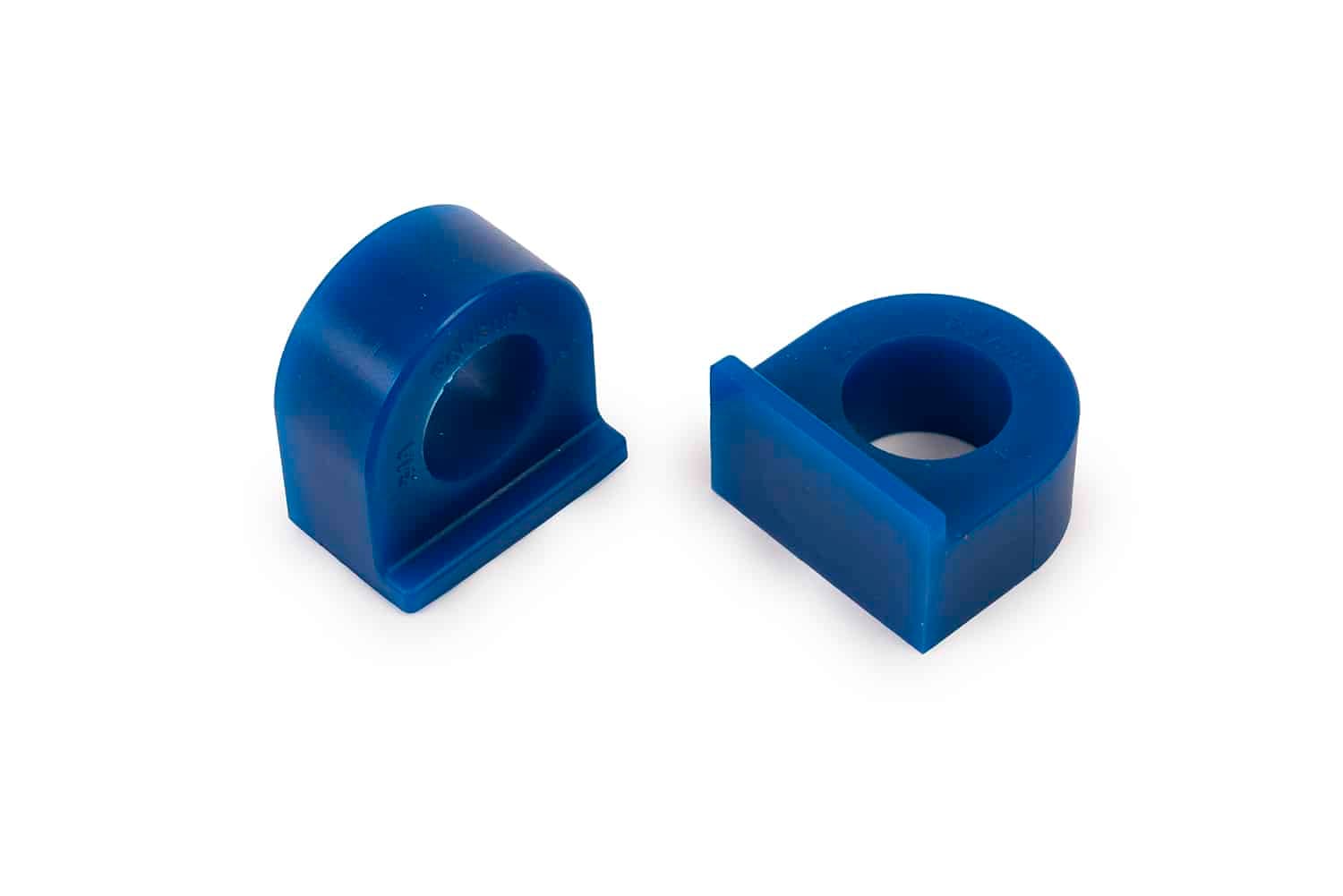
Vehicle Sets
34A
Number of bushes: 2
OEM number: 139386
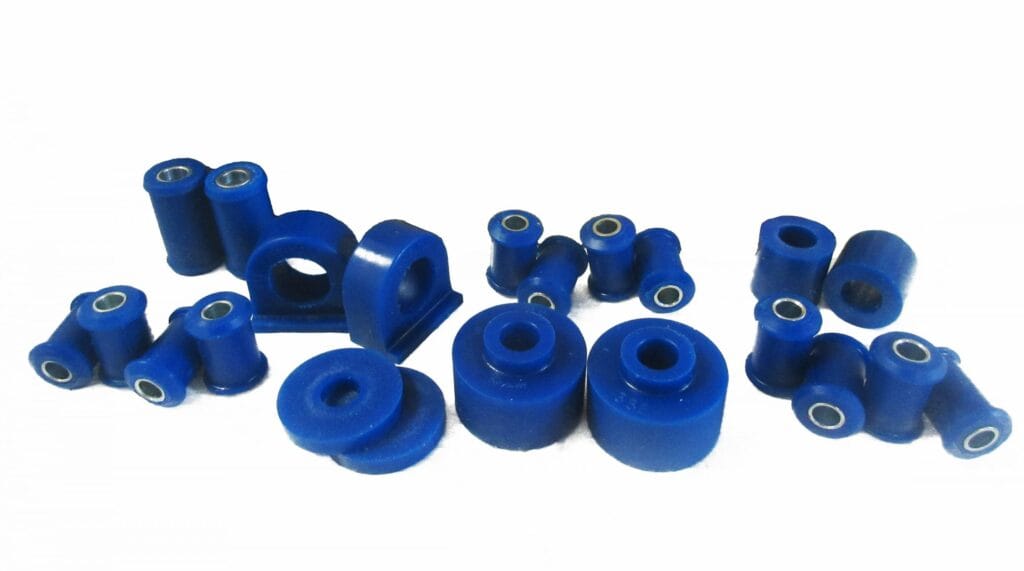
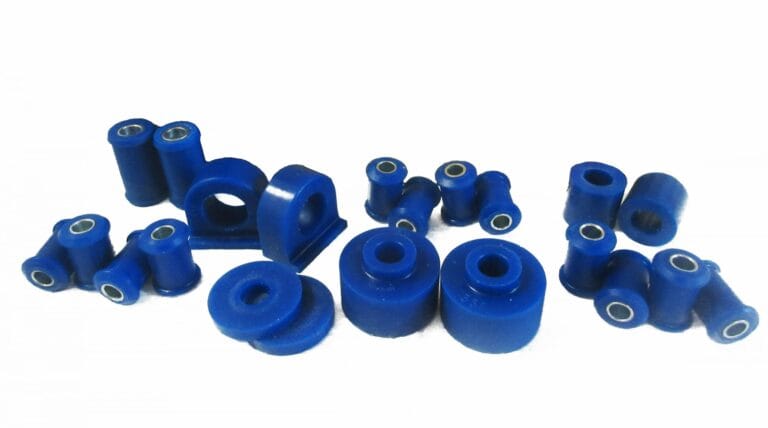
Kits
Bushes Per Vehicle Set: 22
View Kit Contents
What Do The Different Grades Mean?
Kit 33
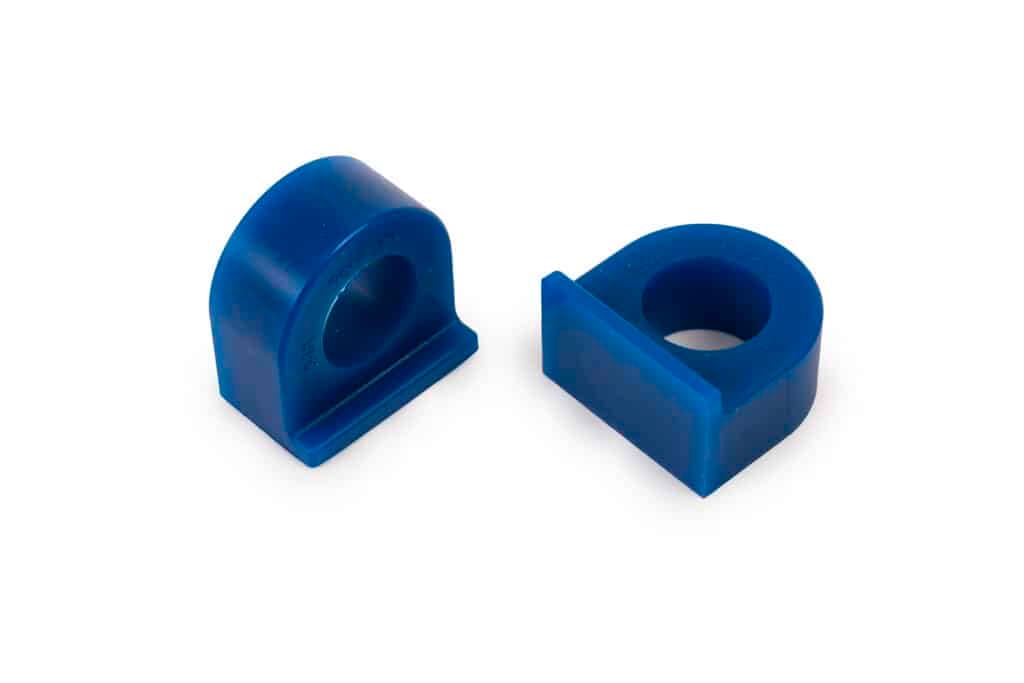
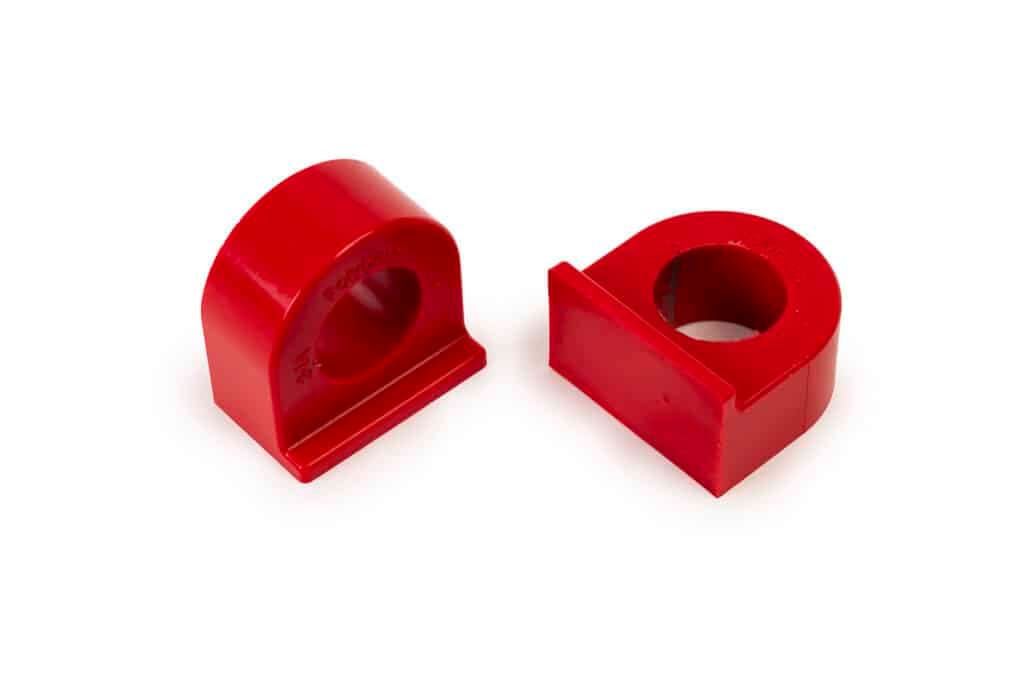
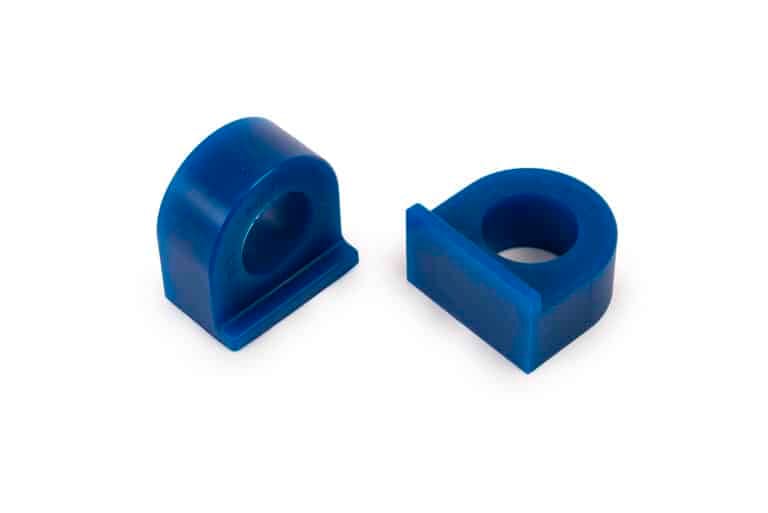
Vehicle Sets
OE Reference: 139386
Bushes Per Vehicle Set: 2
What Do The Different Grades Mean?
34A
Vehicle Sets
OE Reference: 123998
Bushes Per Vehicle Set: 2
What Do The Different Grades Mean?
34B
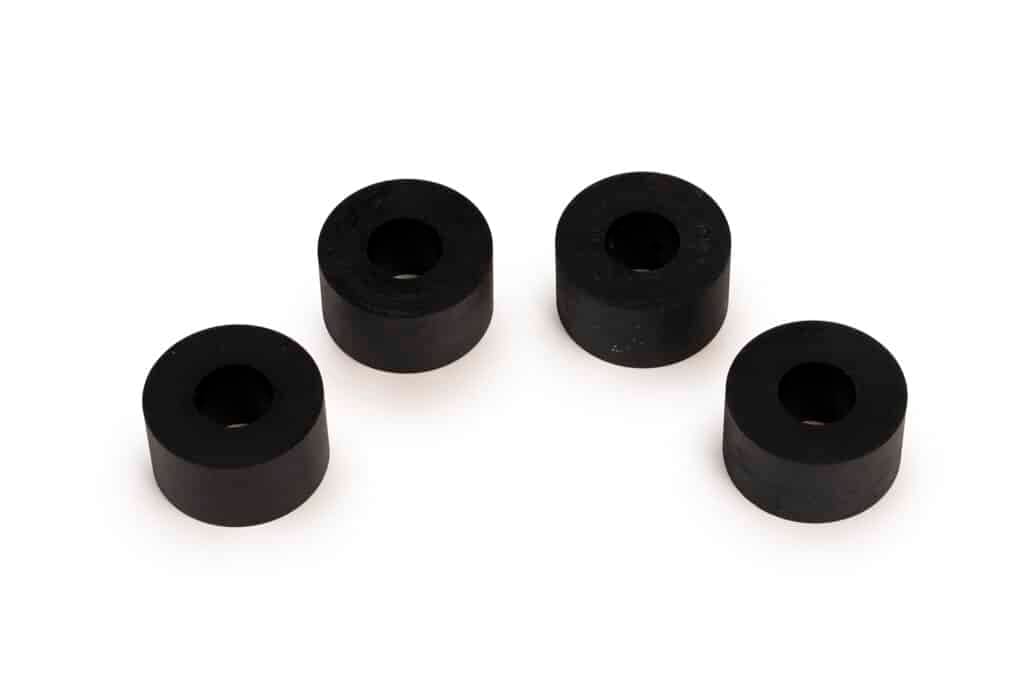
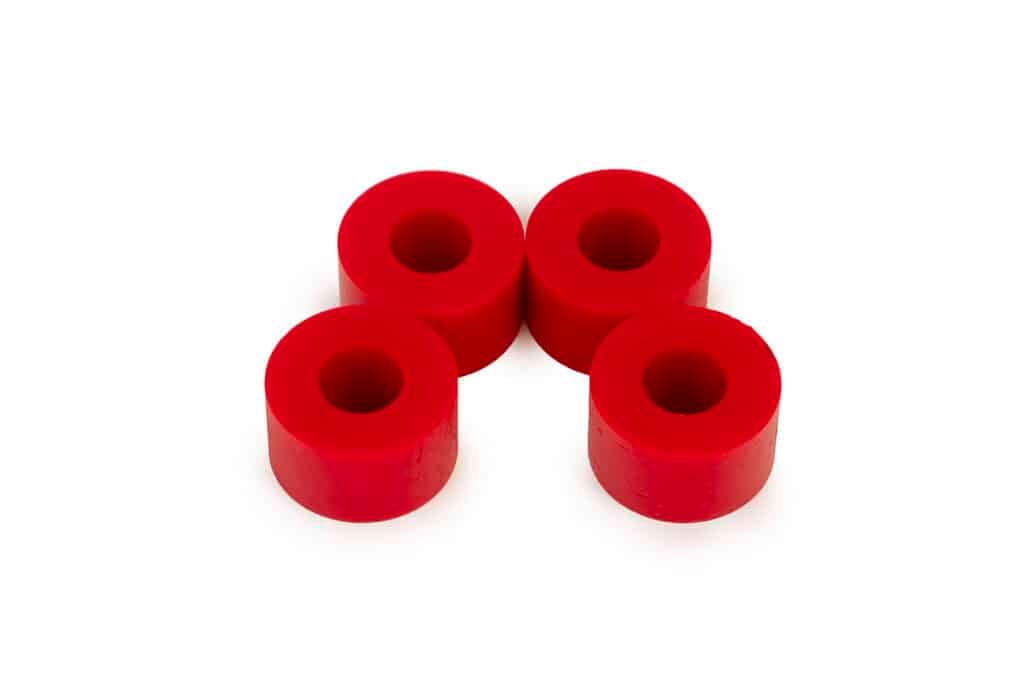
Vehicle Sets
OE Reference: C10996
Bushes Per Vehicle Set: 4
What Do The Different Grades Mean?
31D
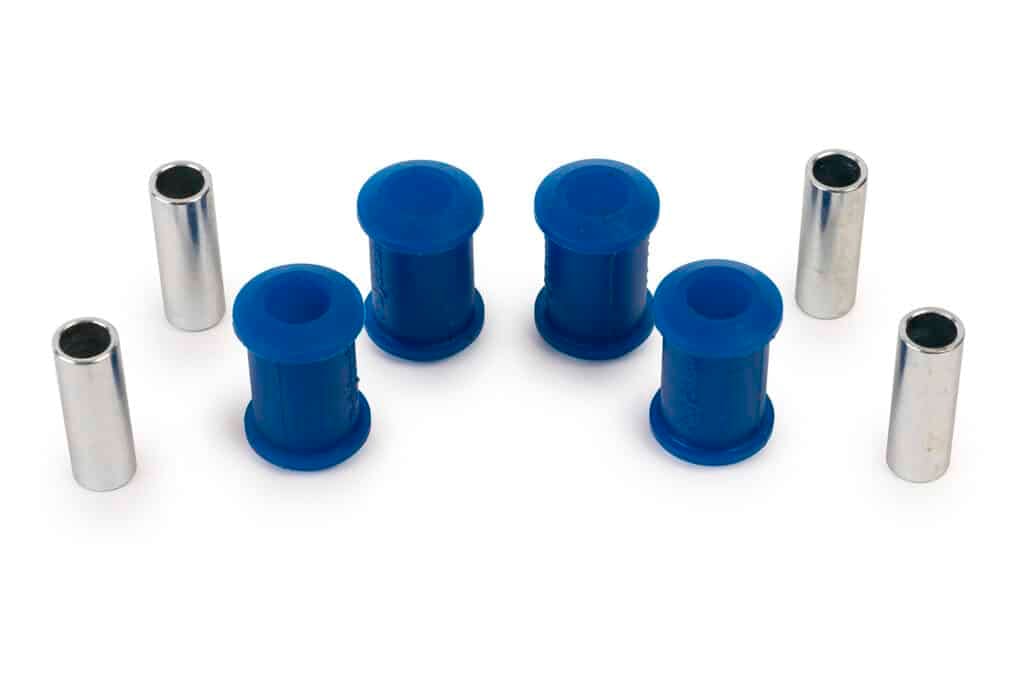
Vehicle Sets
OE Reference: 119451
Bushes Per Vehicle Set: 4
What Do The Different Grades Mean?
35A
OE Reference: UKC5334
Bushes Per Vehicle Set: 1
Vehicle Sets
OE Reference: 122689
Bushes Per Vehicle Set: 1
View Kit Contents
Vehicle Sets
OE Reference: C3273, 102987
Bushes Per Vehicle Set: 1
Vehicle Sets
Bushes Per Vehicle Set: 2
Vehicle Sets
OE Reference: 119450
Bushes Per Vehicle Set: 4
What Do The Different Grades Mean?
35K
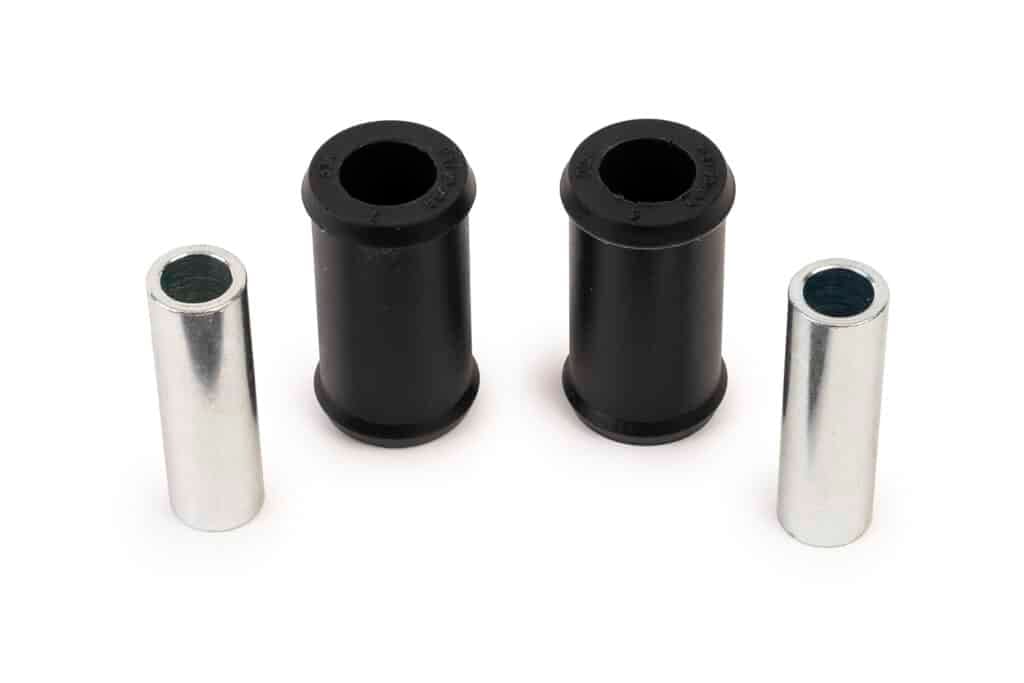
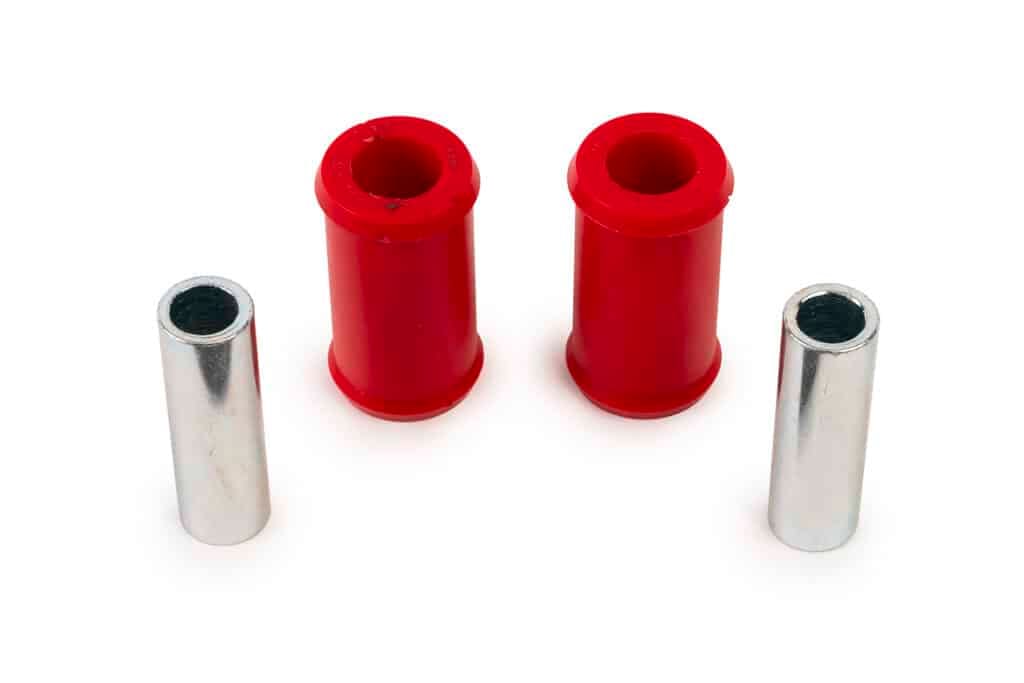
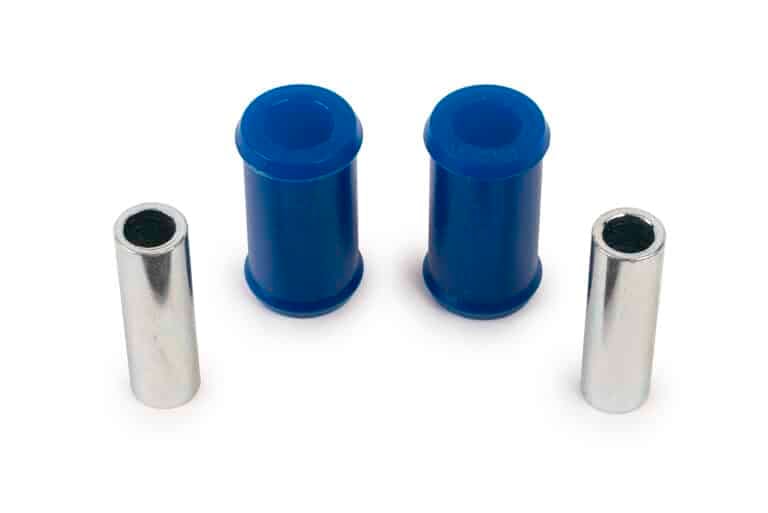
Vehicle Sets
OE Reference: 88G278
Bushes Per Vehicle Set: 2
What Do The Different Grades Mean?
33A
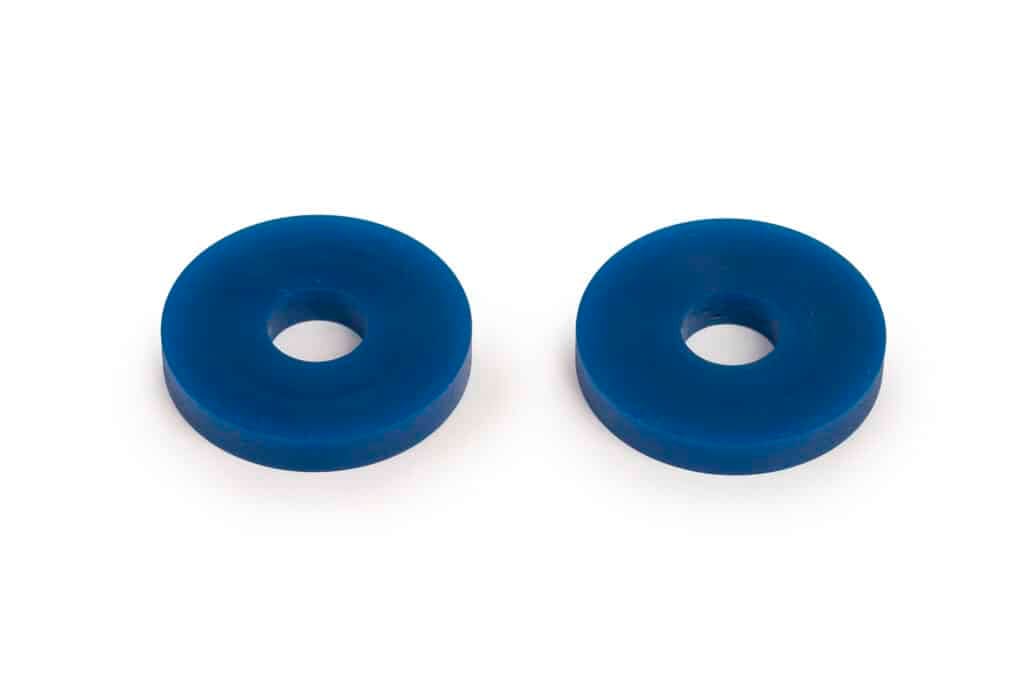
Vehicle Sets
OE Reference: 131796
Bushes Per Vehicle Set: 2
What Do The Different Grades Mean?
35F
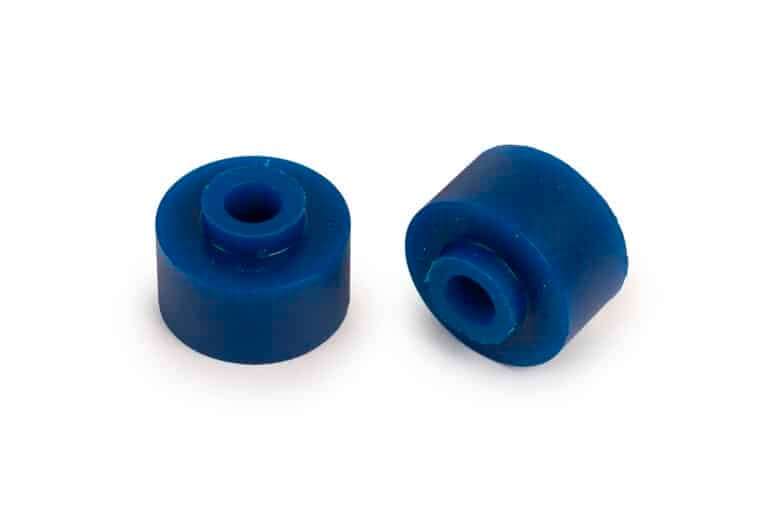
Vehicle Sets
OE Reference: 133568
Bushes Per Vehicle Set: 2
What Do The Different Grades Mean?
35E
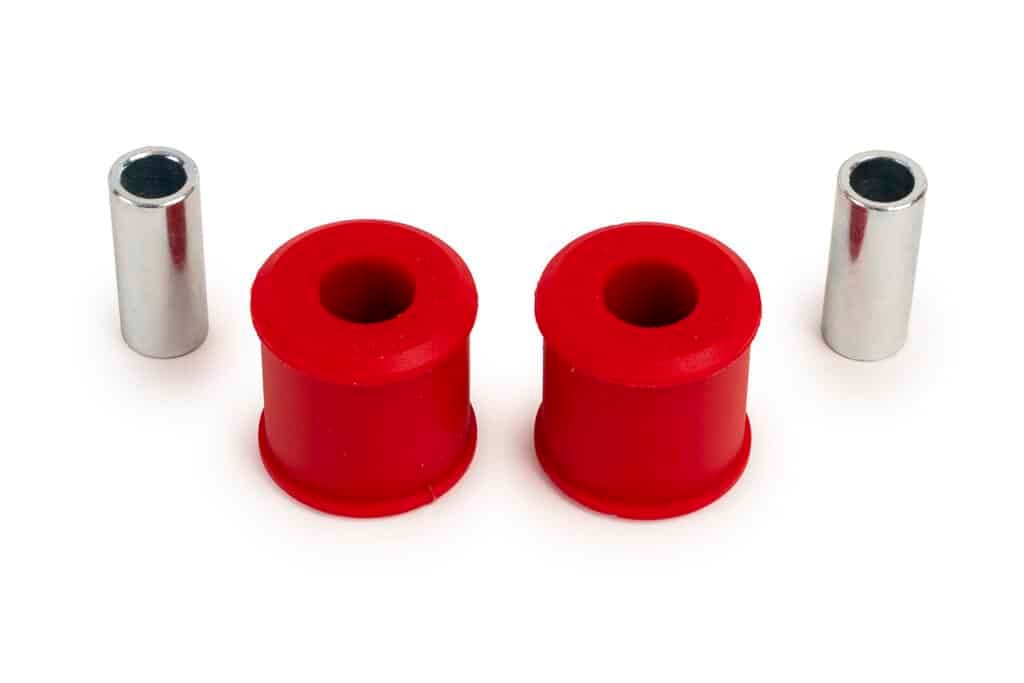
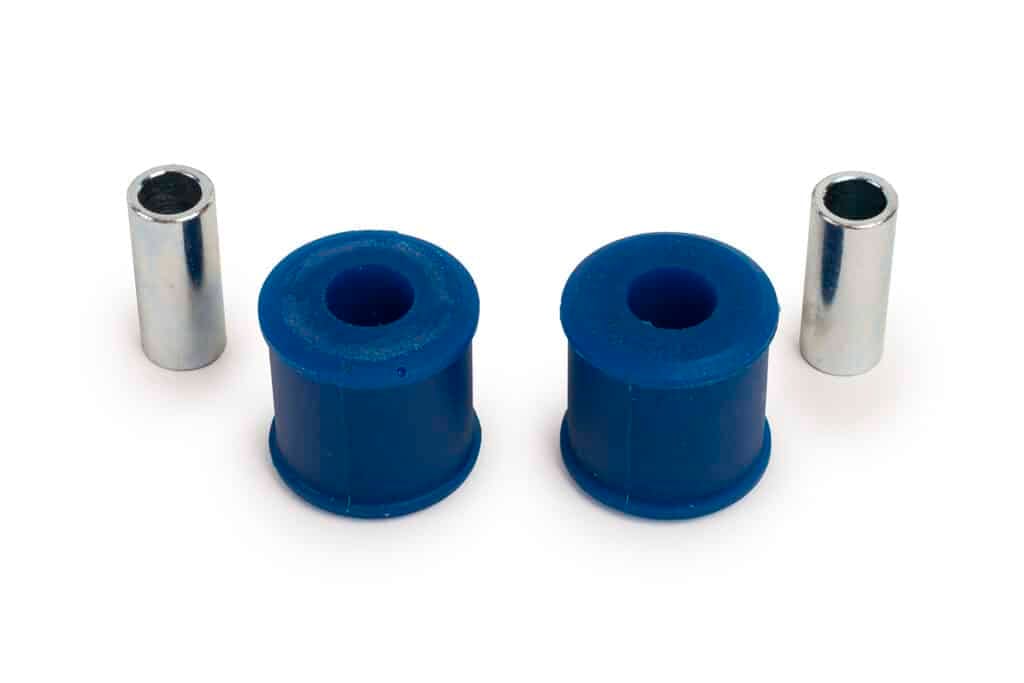
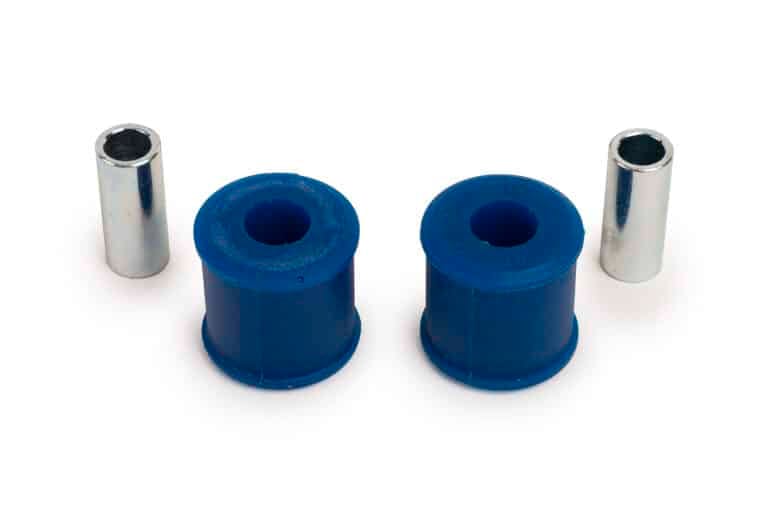
Vehicle Sets
OE Reference: 117578
Bushes Per Vehicle Set: 2
What Do The Different Grades Mean?
35H
Vehicle Sets
OE Reference: 612962
Bushes Per Vehicle Set: 1
Polybush – Thinsulate Beanie
Polybush – Baseball Cap
Bushes Per Vehicle Set: 2
Bushes Per Vehicle Set: 1
What Do The Different Grades Mean?
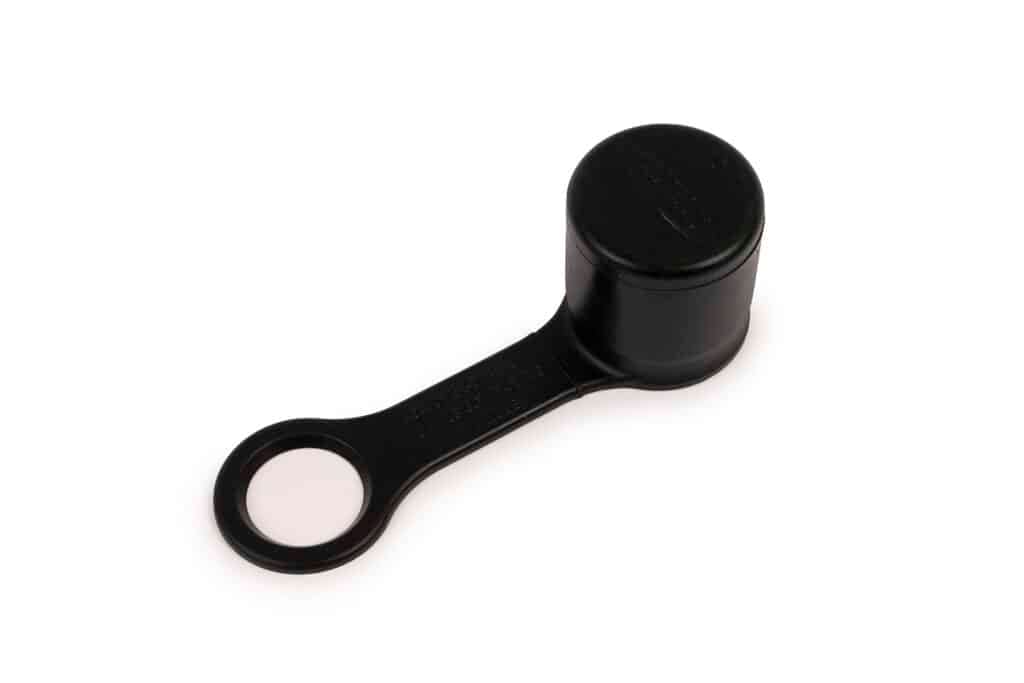
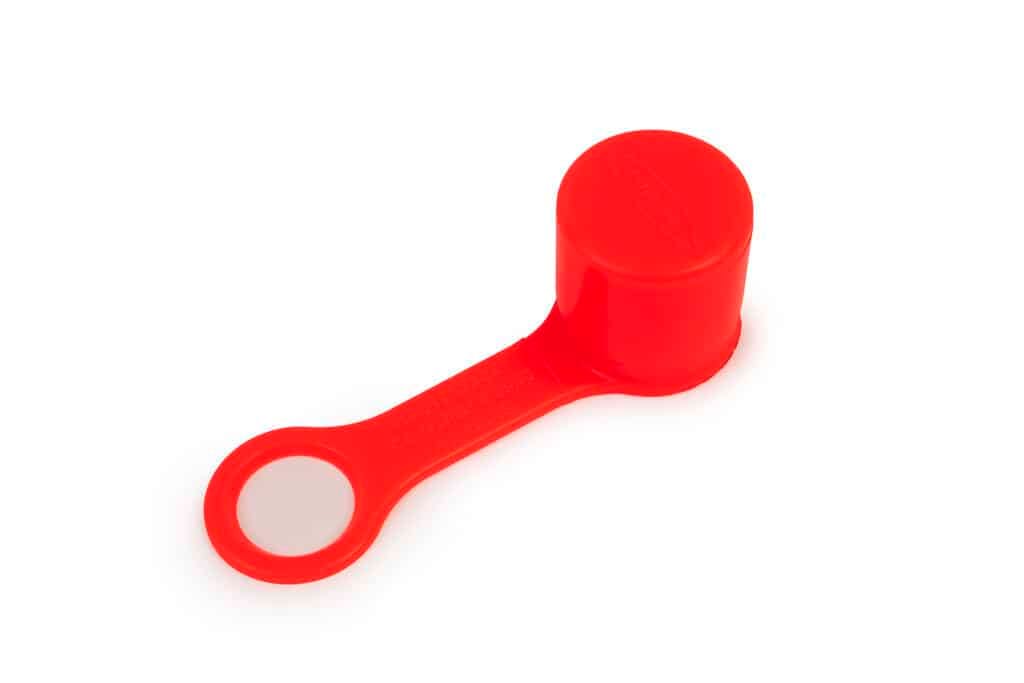
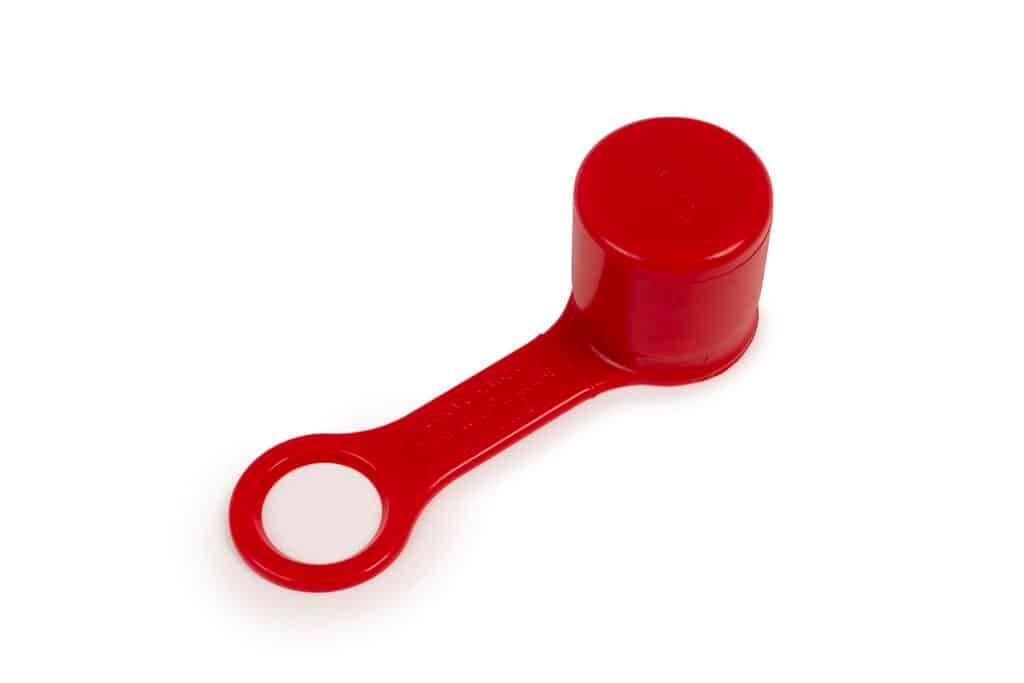
Tow Bar Ball Cover Protective Cap

Photos
Fitting Videos
Specifications
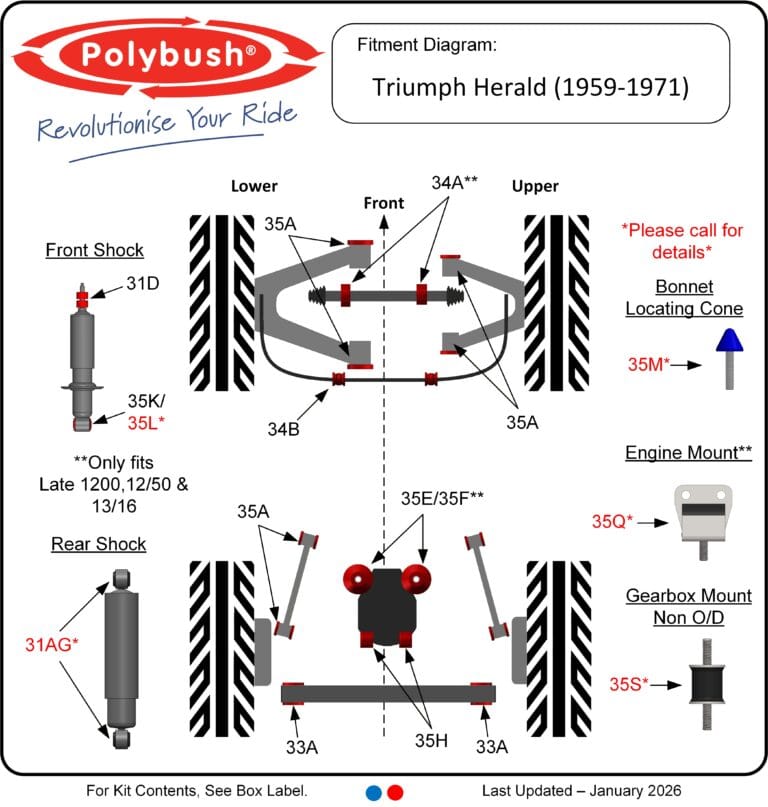
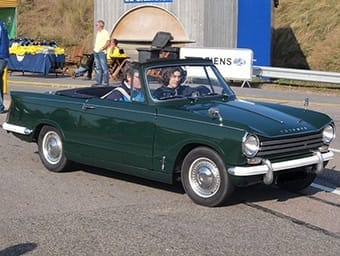
The Triumph Herald’s separate chassis and all-independent suspension made it charming and famously manoeuvrable, but they also give the rubber bushes plenty to do, and on cars built between 1959 and 1971 those bushes have long since hardened and cracked. A tired Herald wanders, knocks and feels far vaguer than it should.
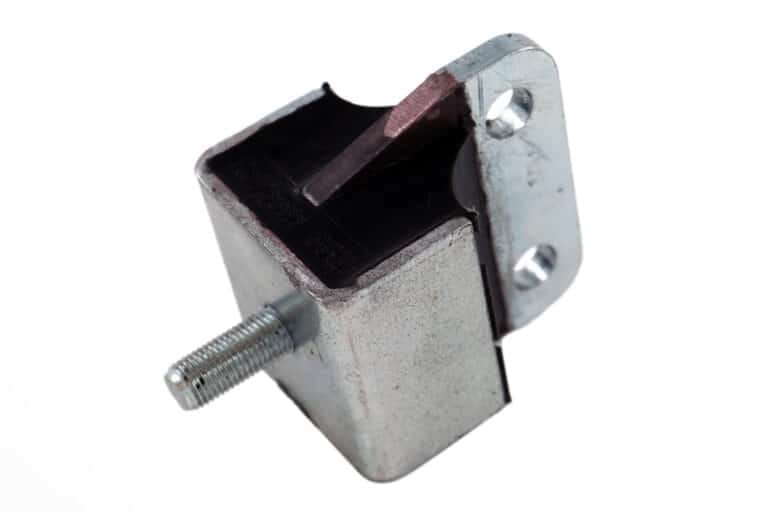
At the front, the wishbone and anti-roll bar bushes are the first to wear, dulling the steering and letting the front suspension clonk over bumps. The swing-axle rear relies on the transverse leaf spring’s front and shackle bushes, the radius arm bushes and the differential mounts to stay located; as these perish the rear suspension moves about and the car tramlines. Worn steering rack bushes complete the slack.
A set of polyurethane suspension bushes brings a Triumph Herald back to tidy, predictable handling, front and rear, and unlike rubber they shrug off oil and road salt. The sporting six-cylinder version shares this chassis. See the Vitesse Mk1 range, the closely related Spitfire Mk1, or the full Triumph range.