
Speak to one of our experts.

Speak to one of our experts.
We’ve selected the material that offers the best balance of performance and comfort for your vehicle’s needs.
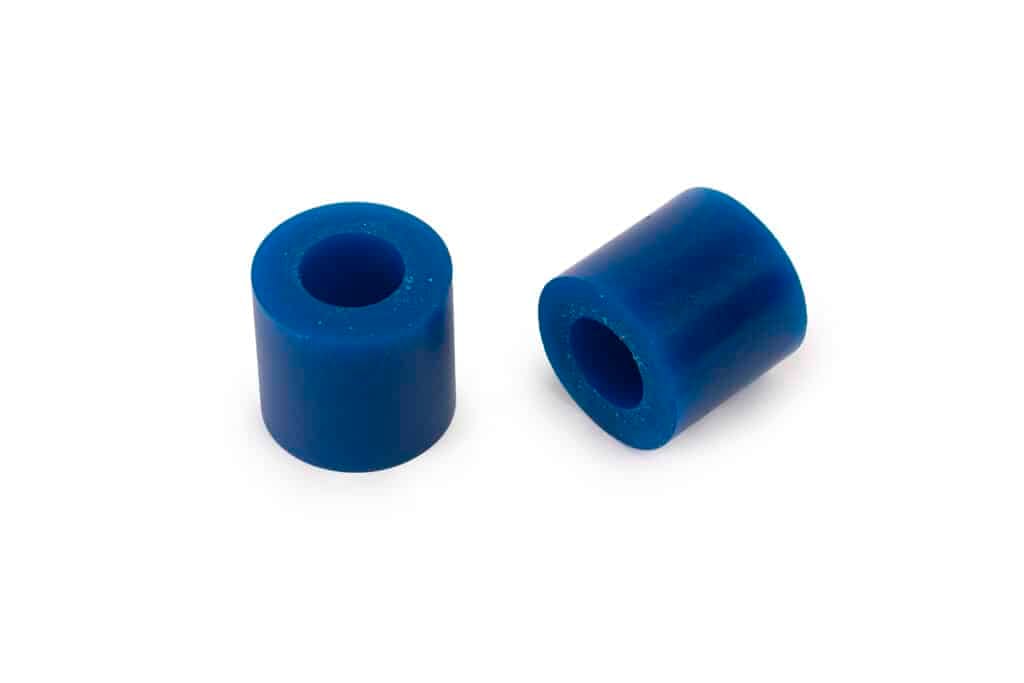
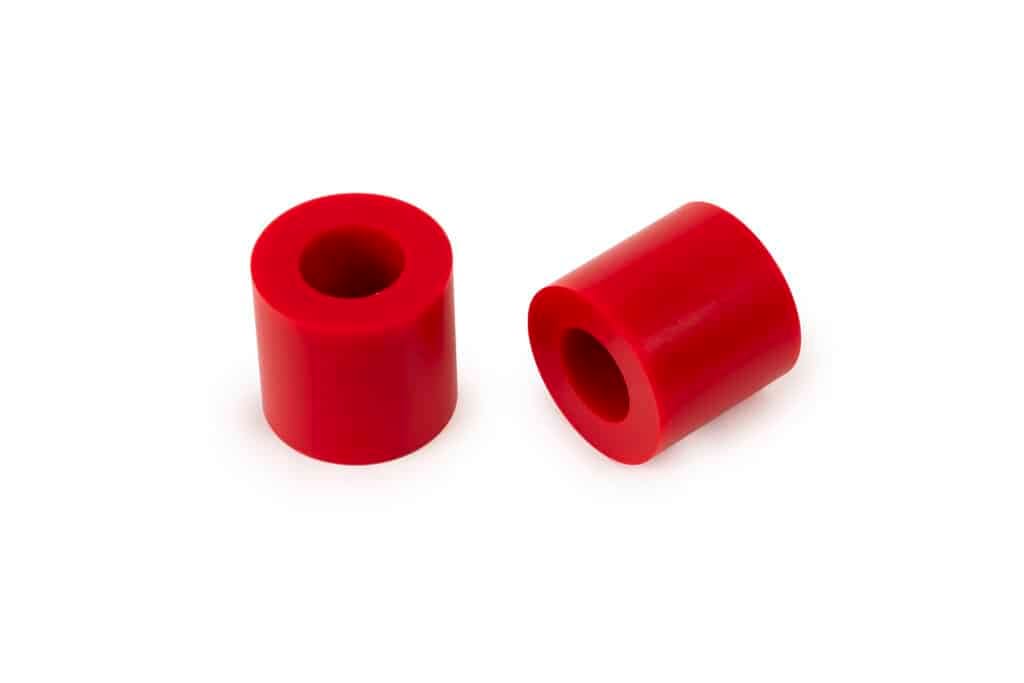
Our Comfort grade bushes are designed to enhance ride quality and minimise road noise, making them ideal for everyday driving. They are softer, providing maximum suspension articulation and a cushioned feel that absorbs bumps and vibrations effectively. This softer composition ensures a smoother, quieter driving experience, especially in Classic cars or Land Rovers. Comfort bushes maintain a balance between originality and ease of driving, catering to those who value a relaxed Factory-Fresh drive.
The Dynamic grade bushes offer a middle ground between Comfort and Performance. They are slightly firmer than the Comfort bushes, which improves handling and cornering response without sacrificing too much ride comfort. These bushes are ideal for drivers who enjoy a more engaging driving experience while still needing a level of comfort for daily use, whilst also being suitable for spirited driving & light track use.
Performance grade bushes are the stiffest of the three, designed for enthusiasts who demand the utmost in handling and control. They offer minimal deflection, enhancing vehicle response and stability during aggressive driving. These bushes are perfect for high-performance or track vehicles where precision and handling are critical. While they might sacrifice some ride comfort, they deliver superior driving dynamics and control, ideal for those who push their vehicle to its limits – Including Towing!
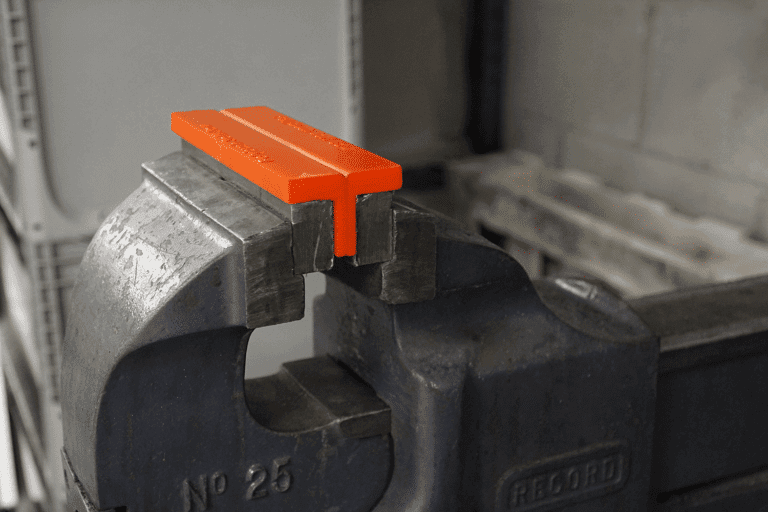
These rods are produced in 90 Shore A which allows them to be machined on a lathe.
Polybush Shop
Vehicle Sets
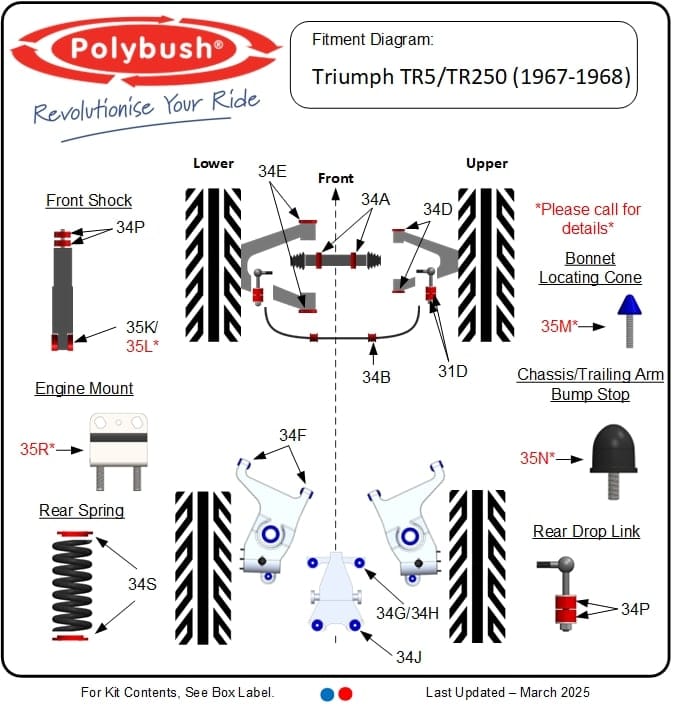
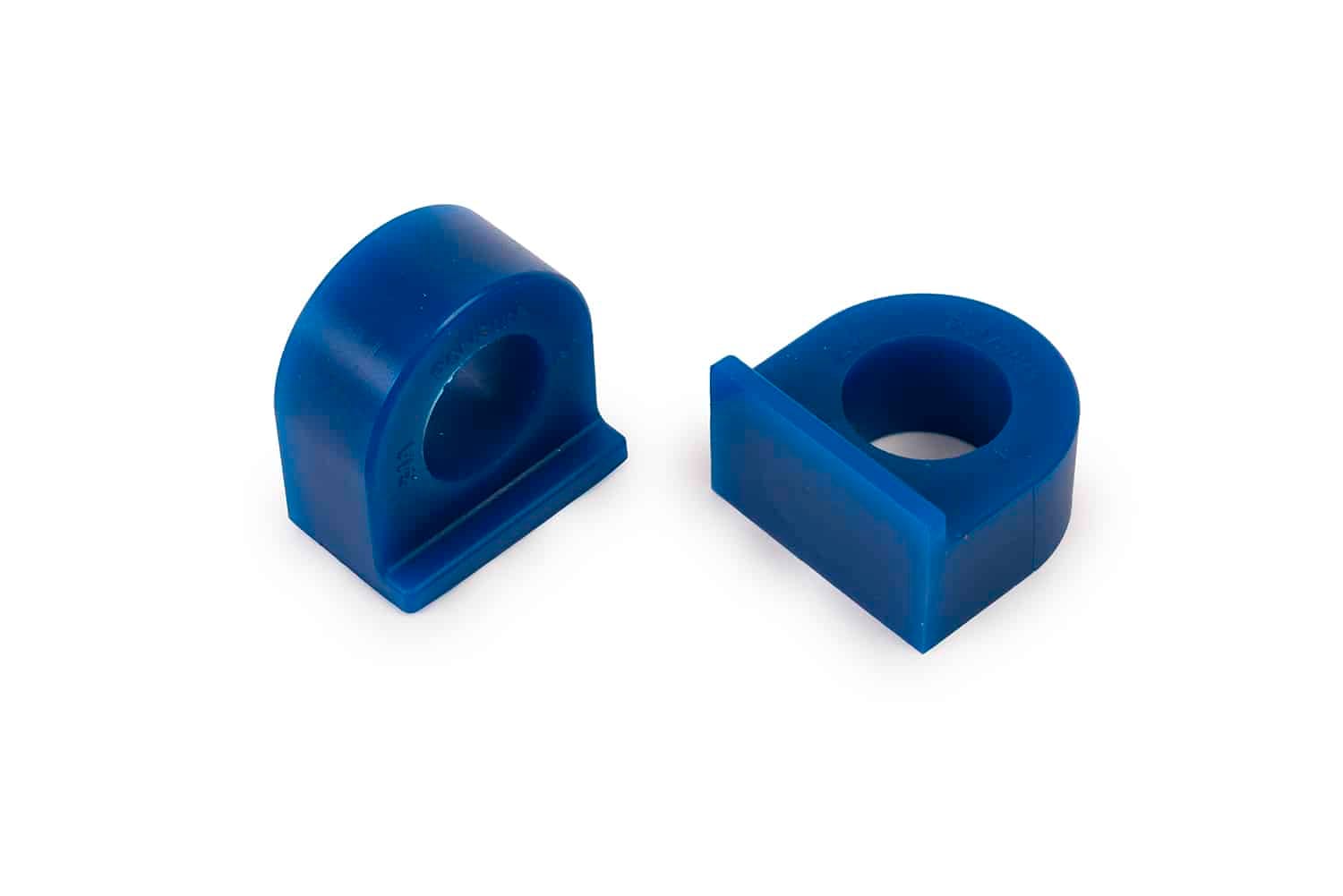
34A
Number of bushes: 2
OEM number: 139386
Vehicle Sets
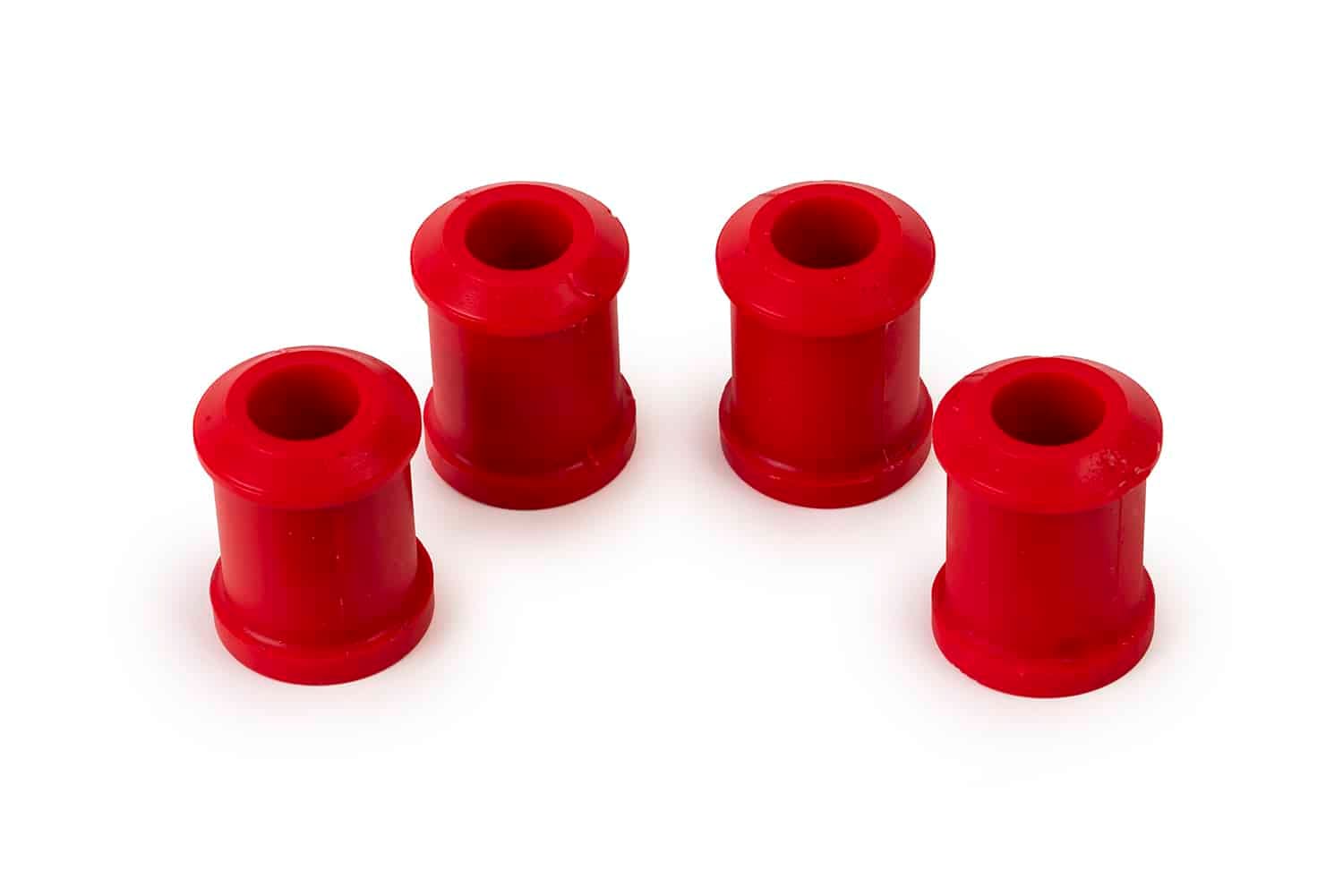
34D
Number of bushes: 4
OEM number: 102228
Vehicle Sets
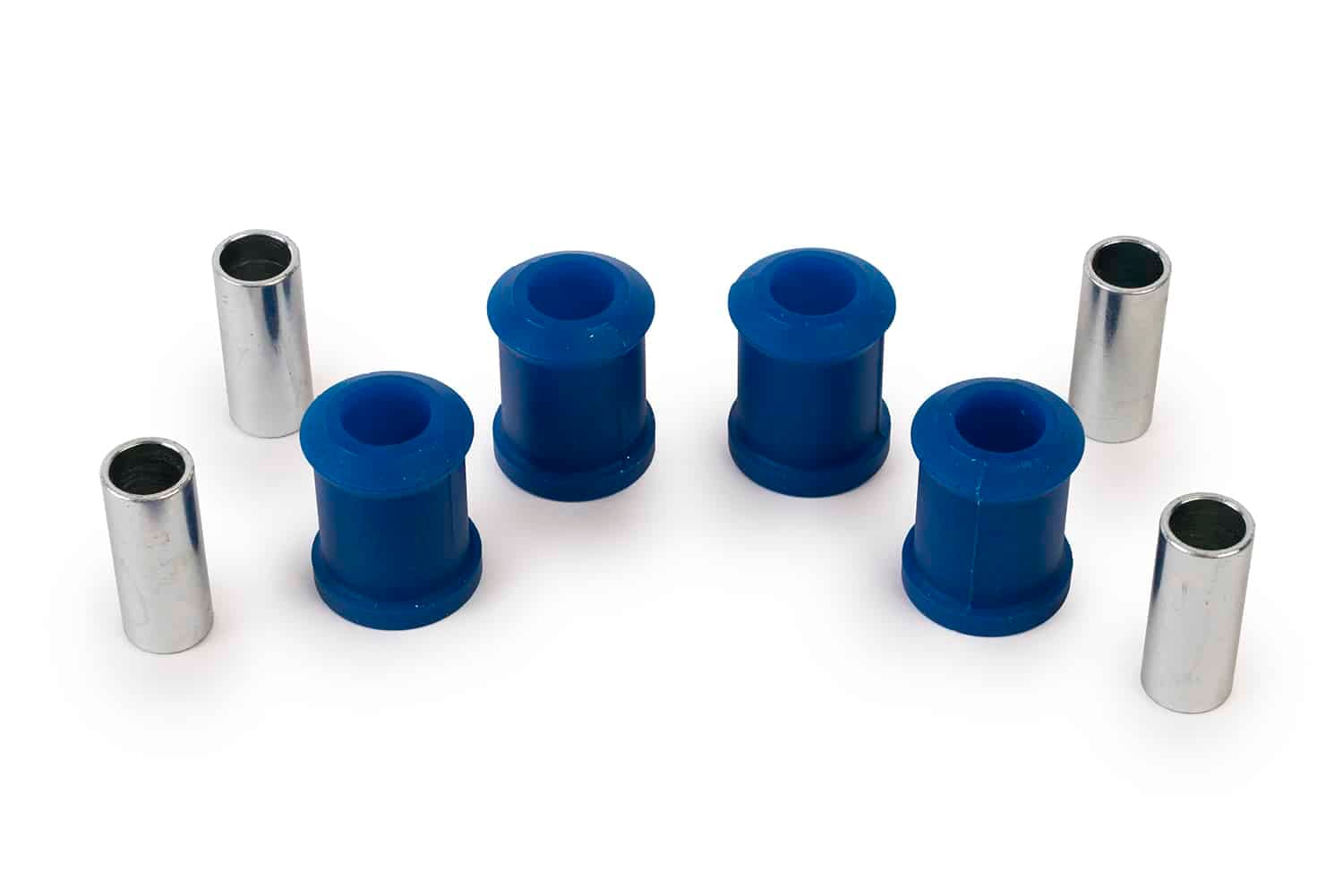
34E
Number of bushes: 4
OEM number: 141481
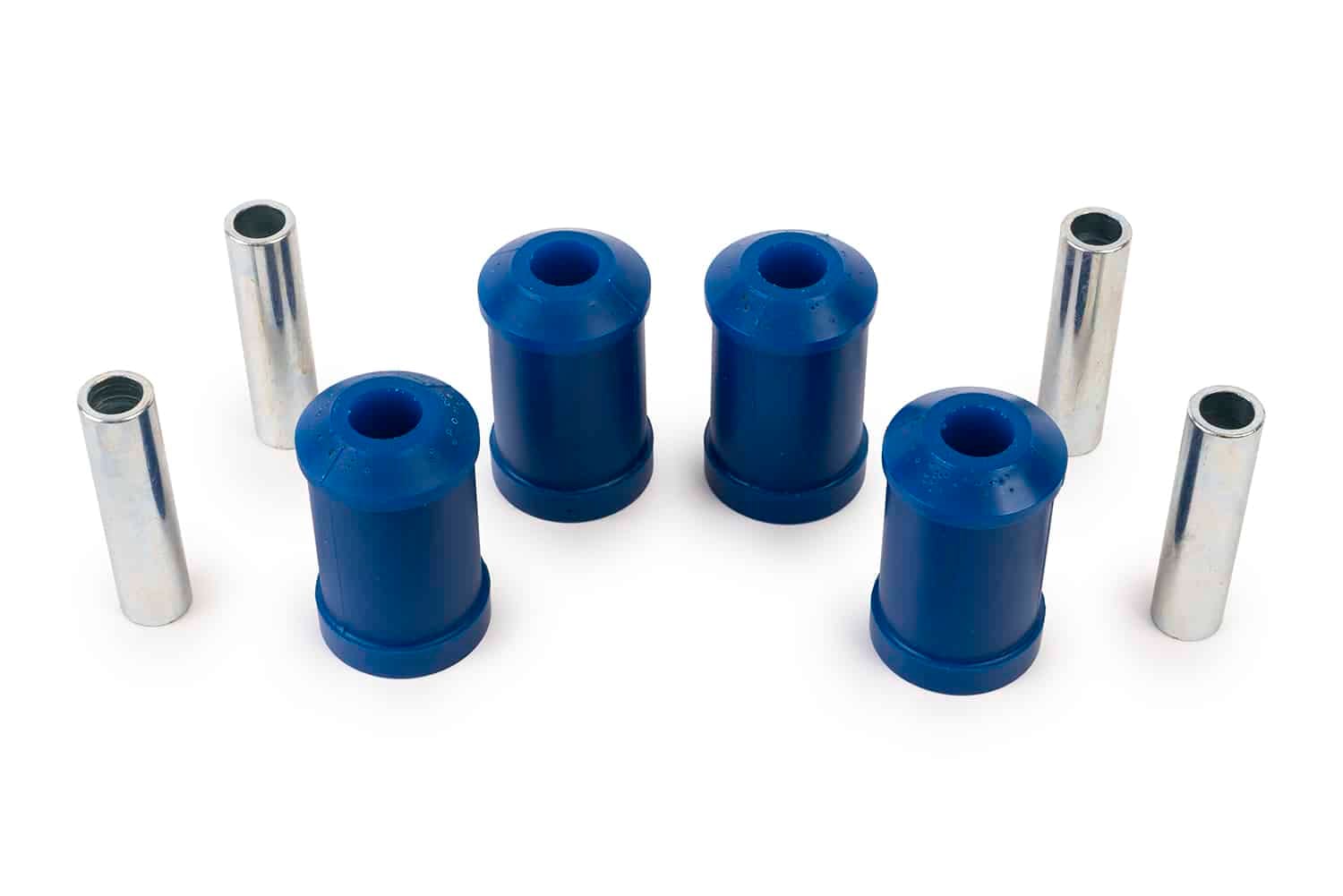
Vehicle Sets
34F
Number of bushes: 4
OEM number: 137599
Kits
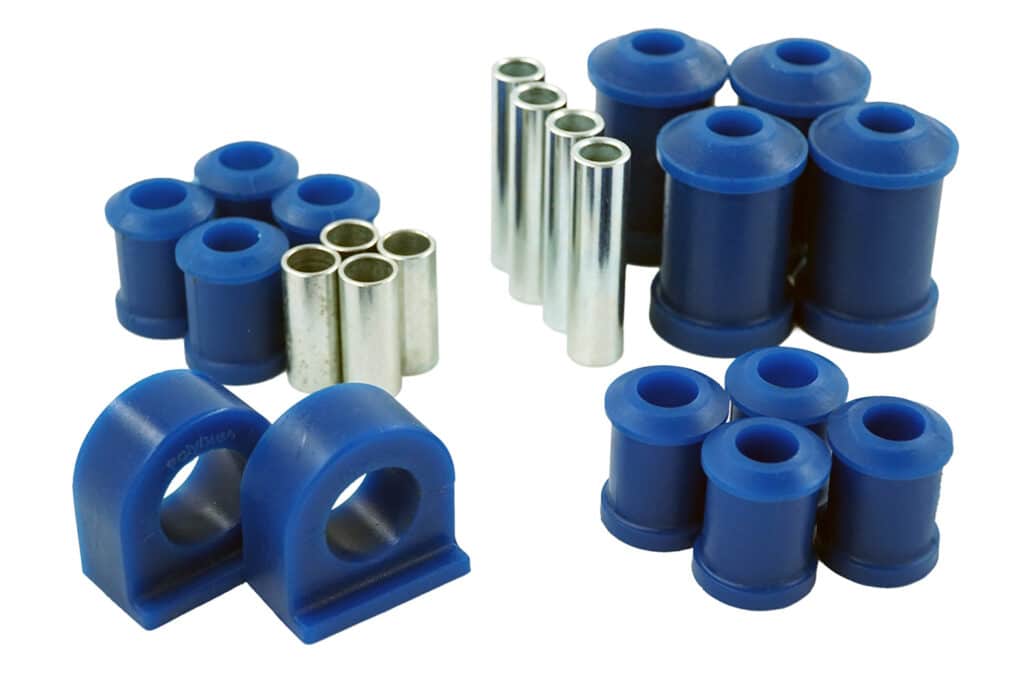
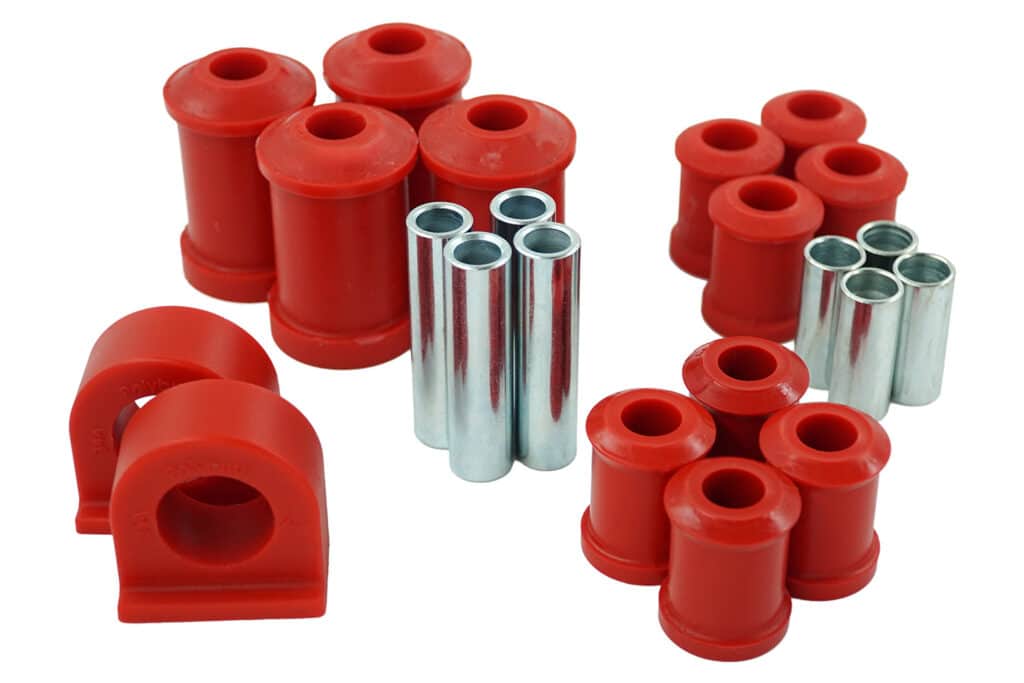
Bushes Per Vehicle Set: 14
View Kit Contents
What Do The Different Grades Mean?
Kit 44
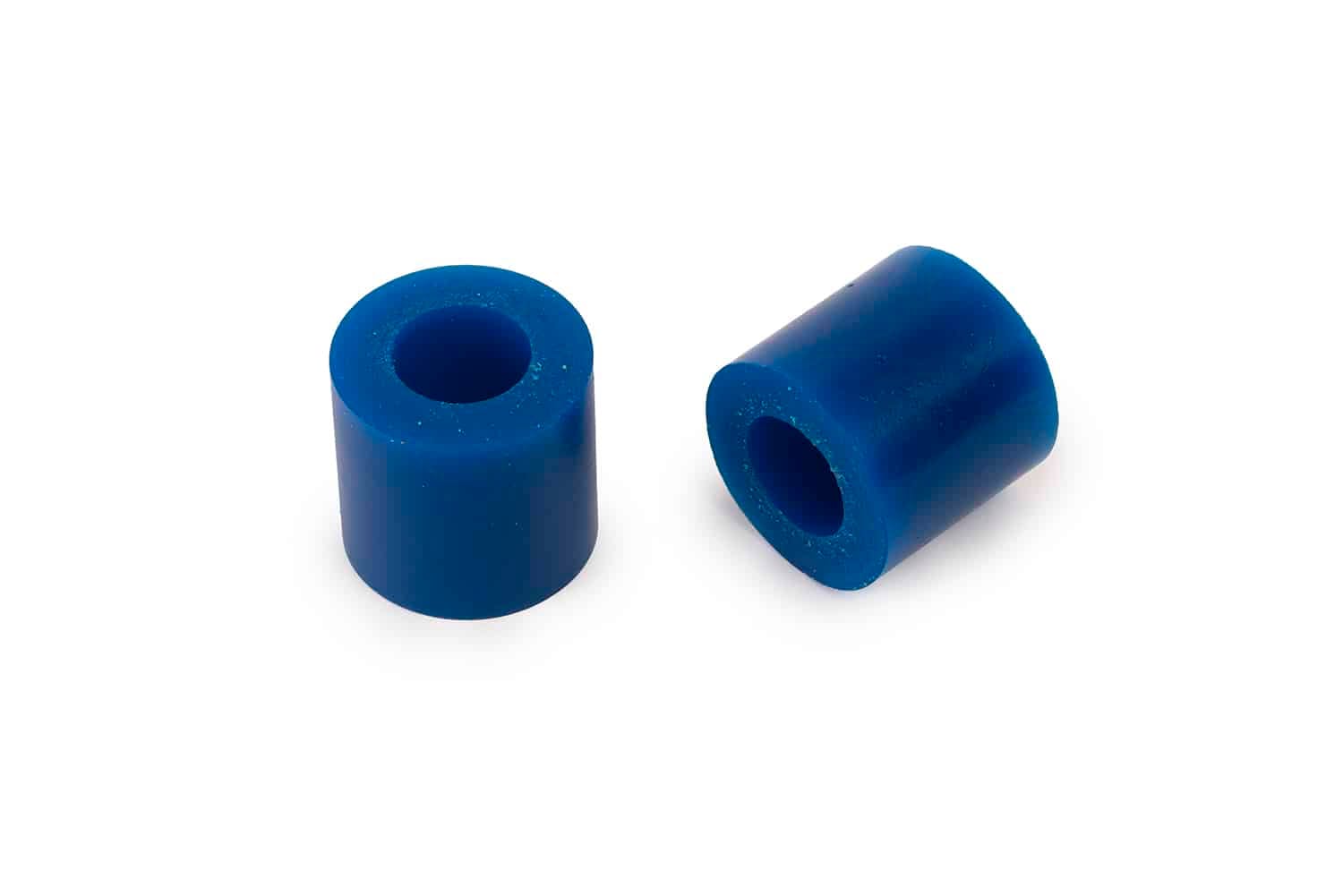
Vehicle Sets
34B
Number of bushes: 2
OEM number: 123998
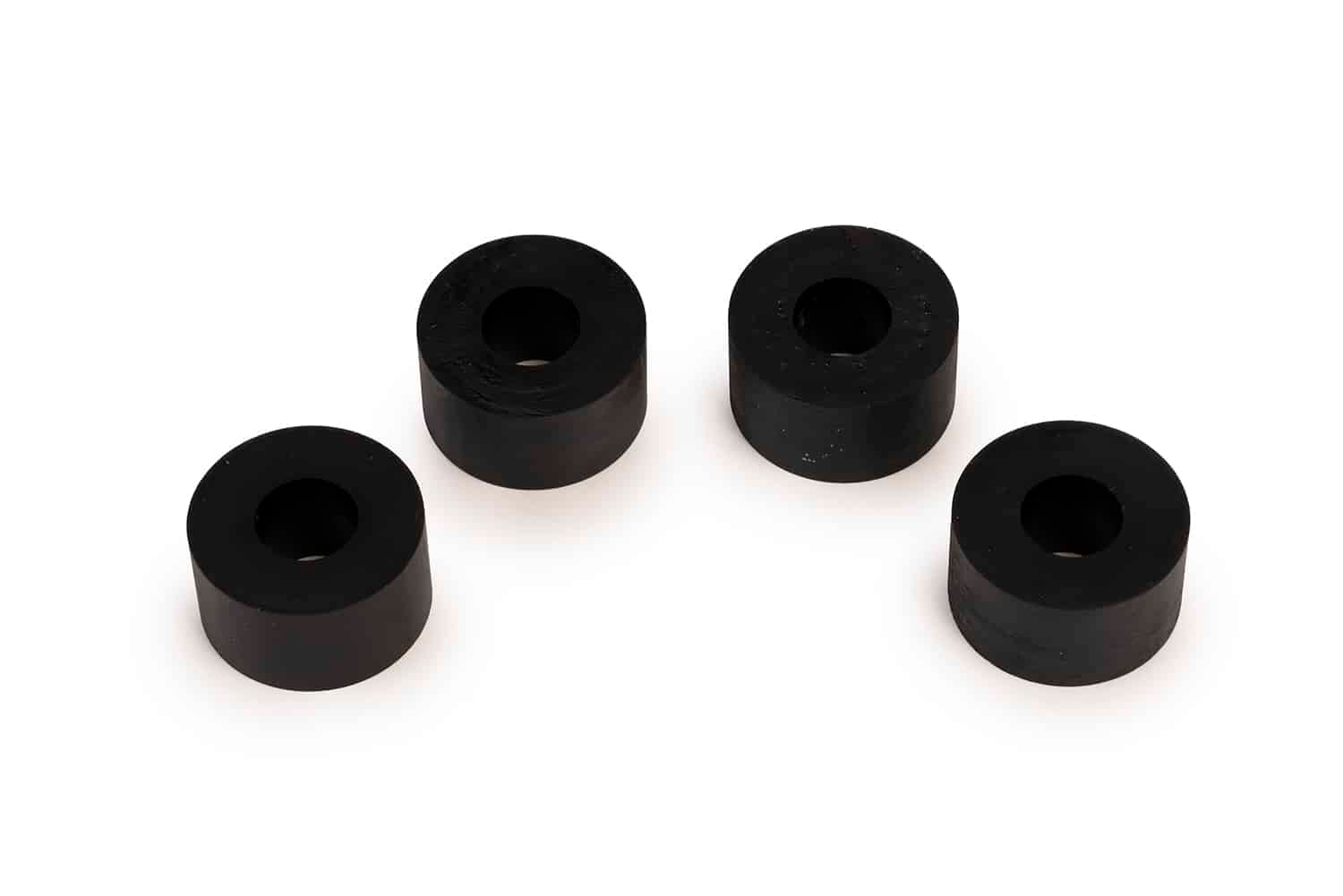
Vehicle Sets
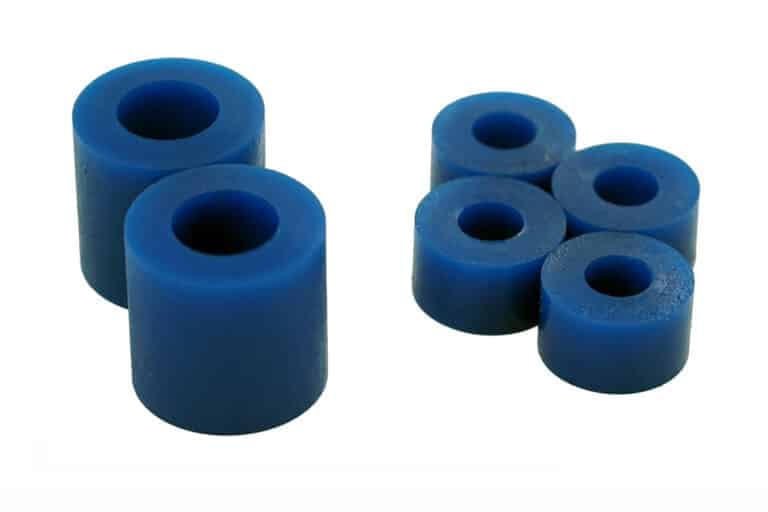
31D
Number of bushes: 4
OEM number: C10996
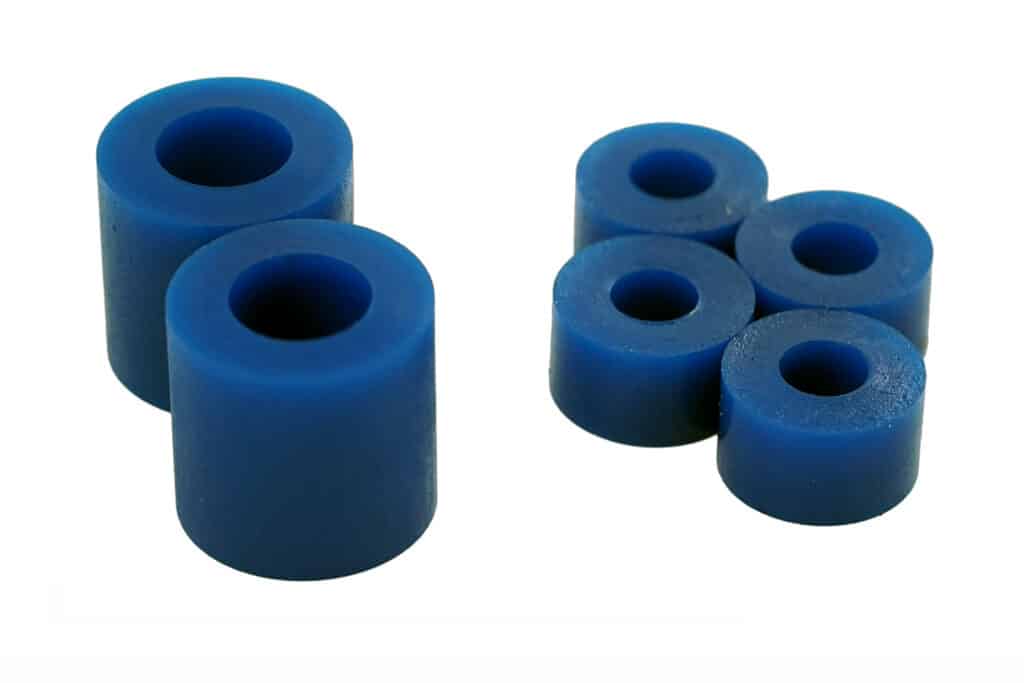
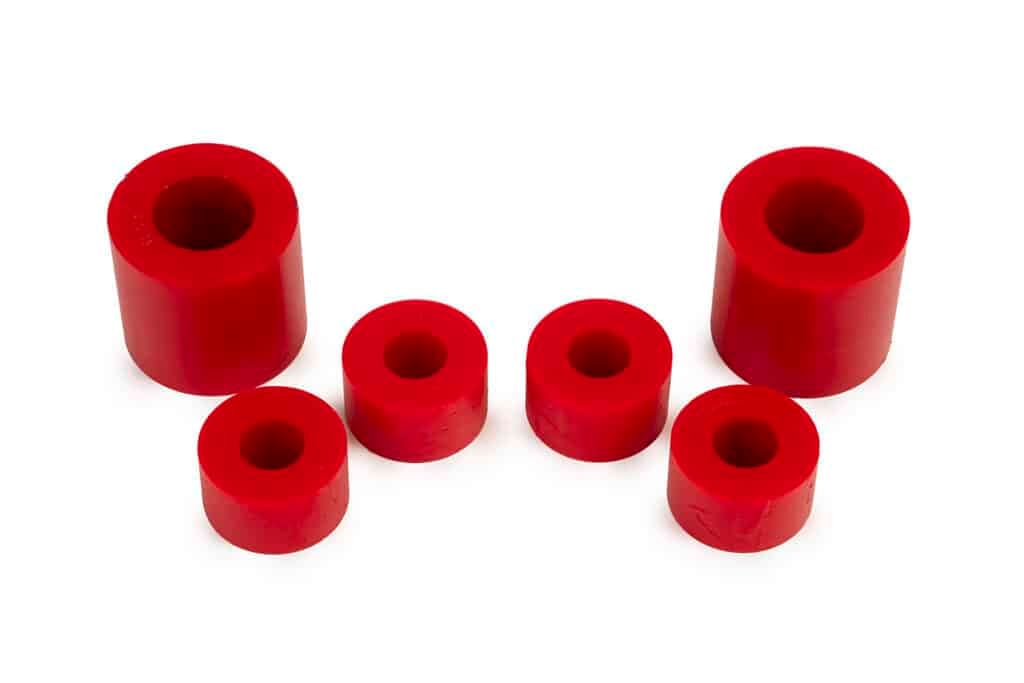
Kits
Bushes Per Vehicle Set: 6
View Kit Contents
What Do The Different Grades Mean?
Kit 46
Vehicle Sets
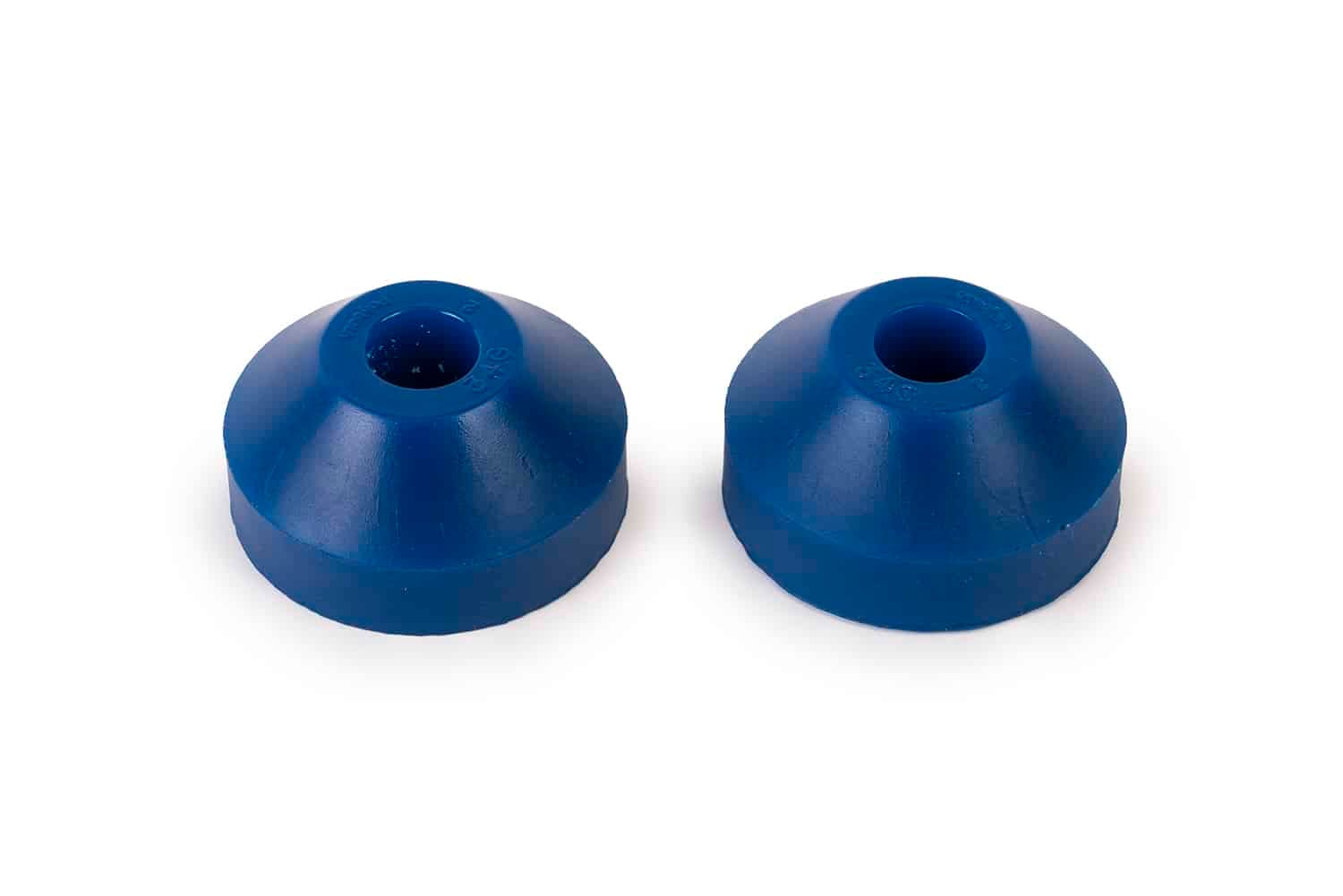
34G
Number of bushes: 2
OEM number: 134235
Vehicle Sets
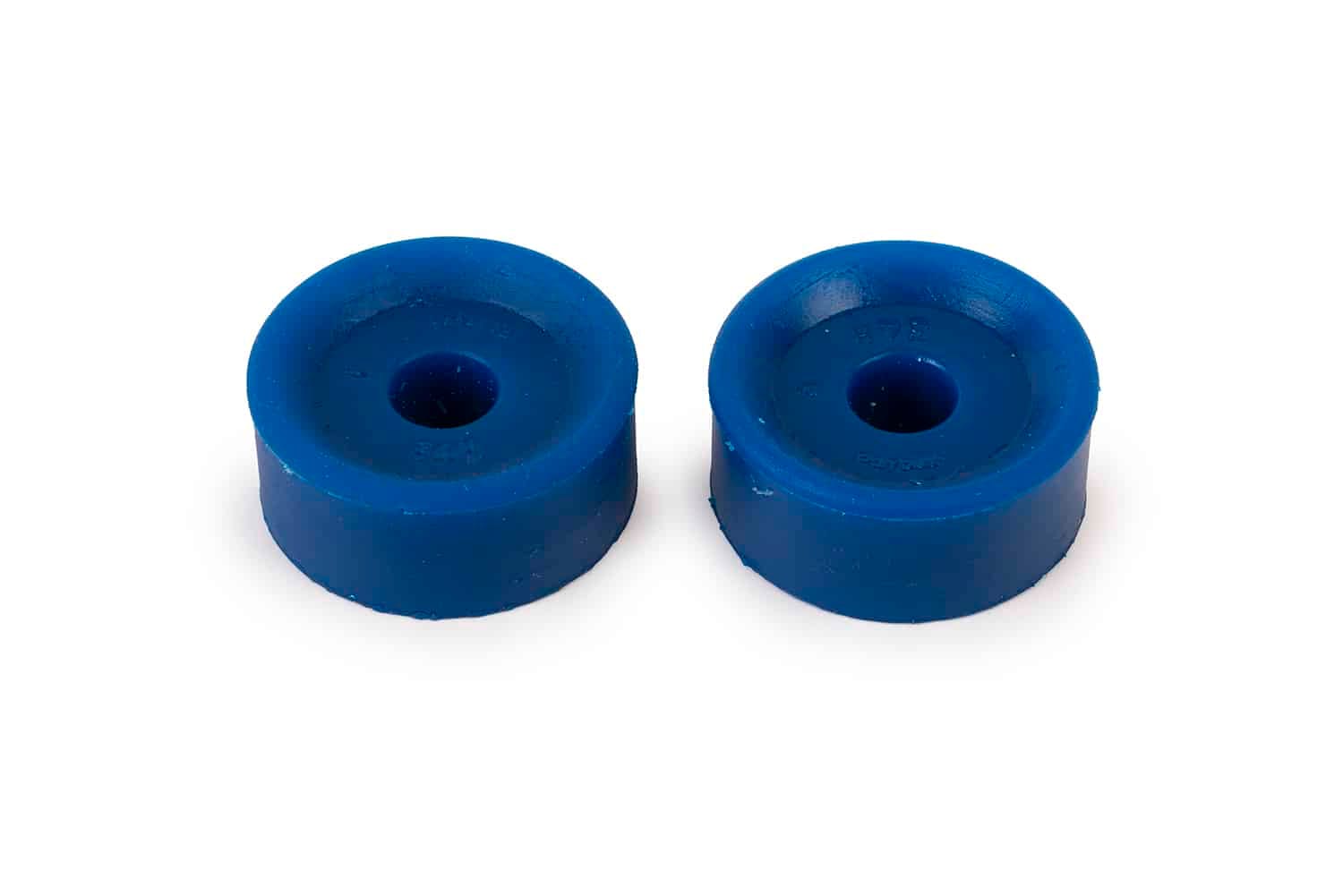
34H
Number of bushes: 2
OEM number: 134236
Vehicle Sets
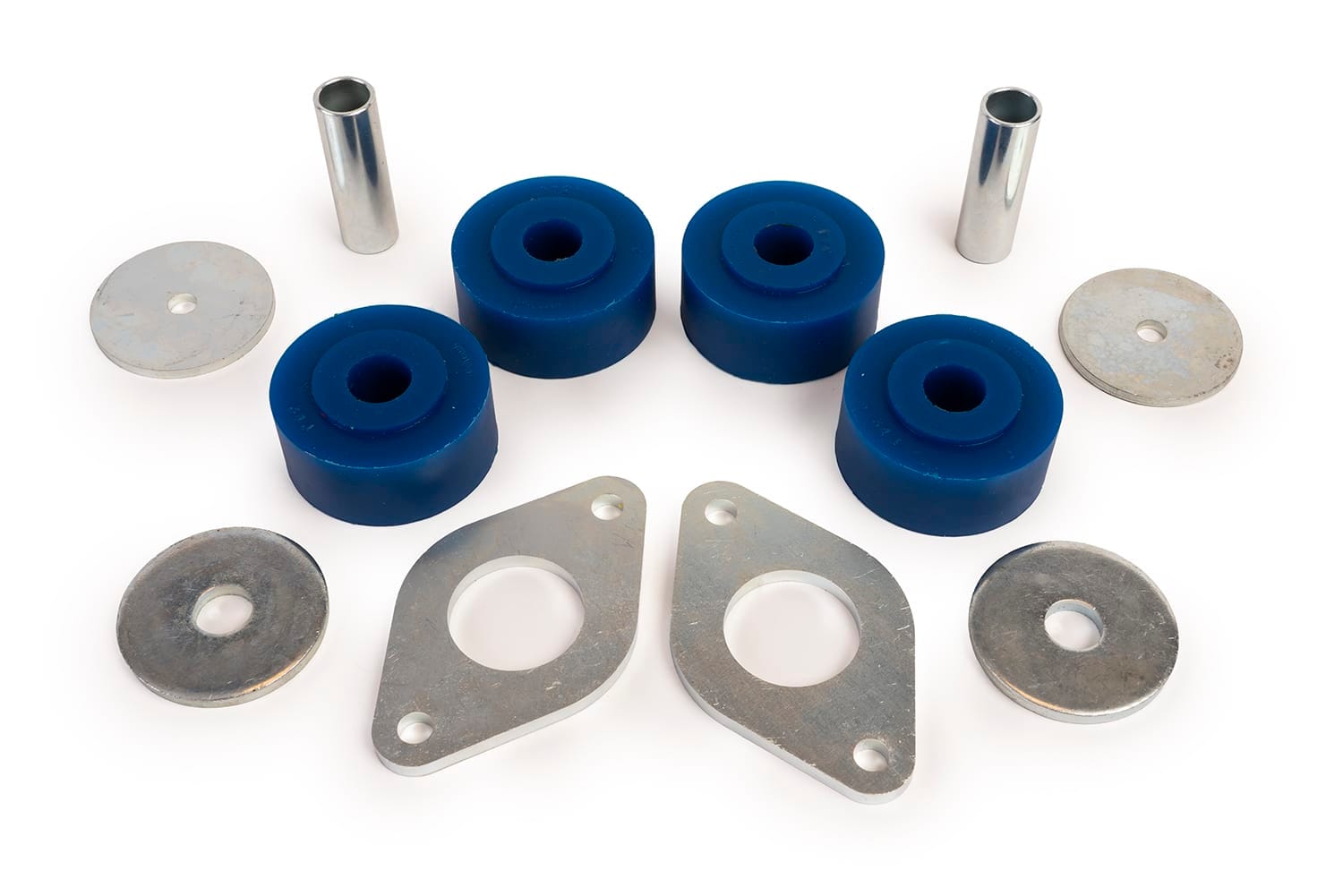
34J
Number of bushes: 2
OEM number: 147783
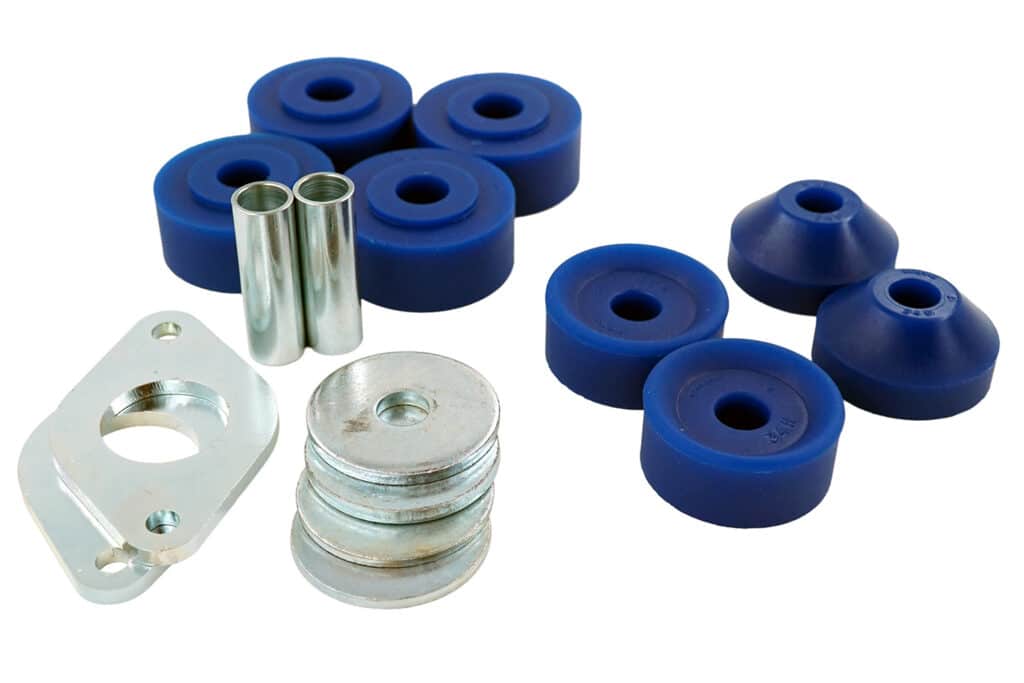
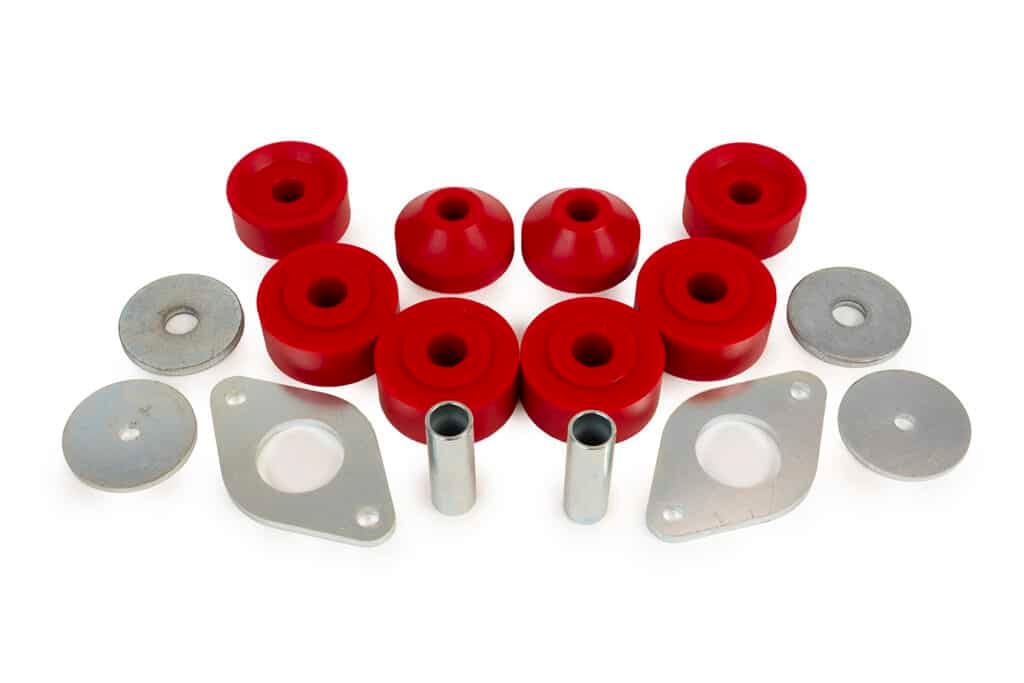
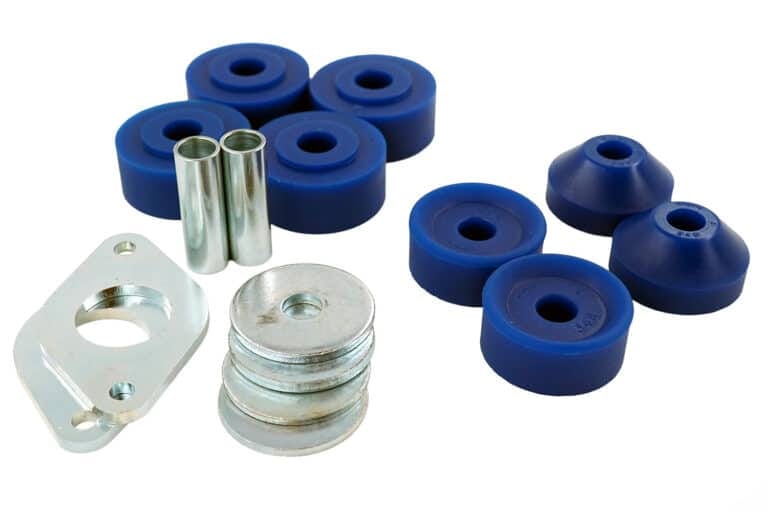
Kits
Bushes Per Vehicle Set: 6
View Kit Contents
What Do The Different Grades Mean?
Kit 45
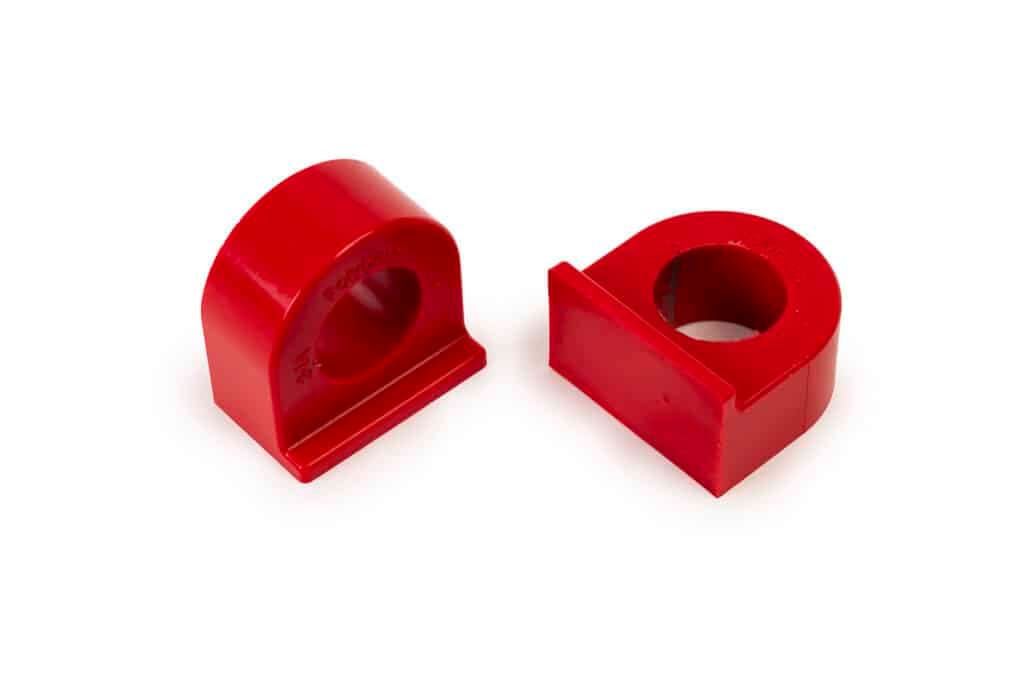
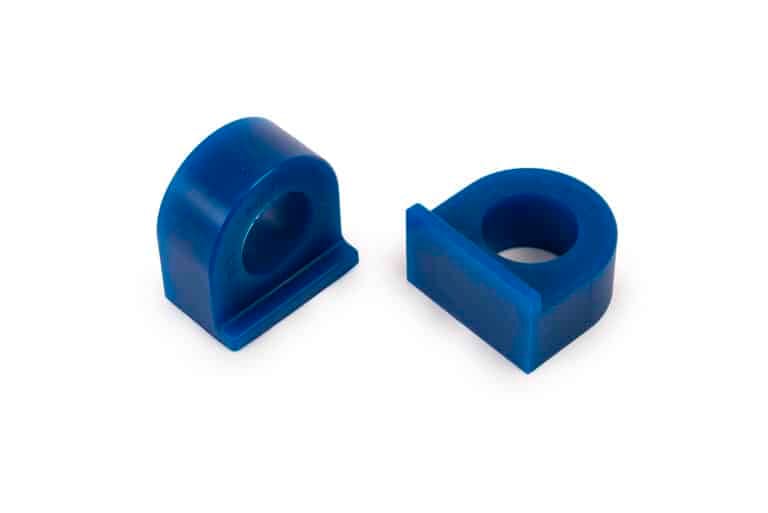
Vehicle Sets
OE Reference: 139386
Bushes Per Vehicle Set: 2
What Do The Different Grades Mean?
34A
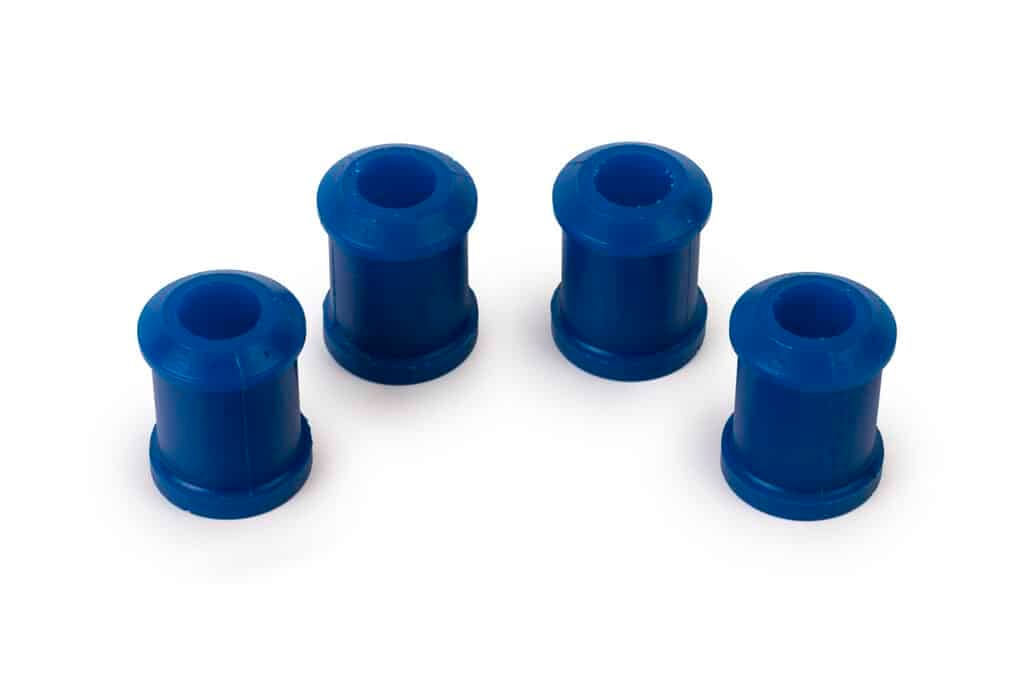
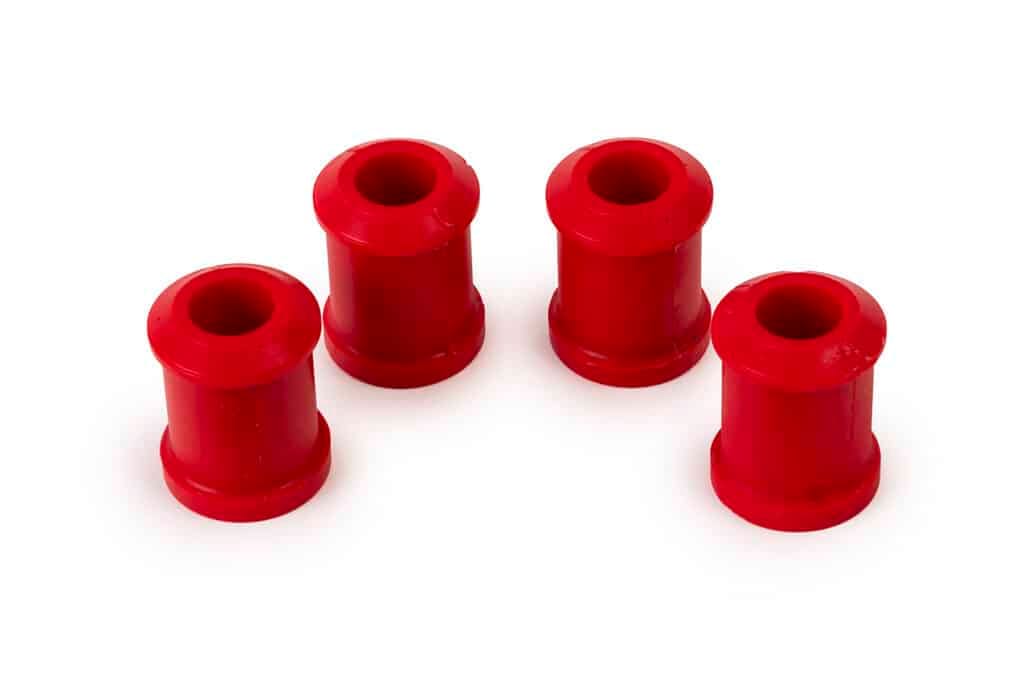
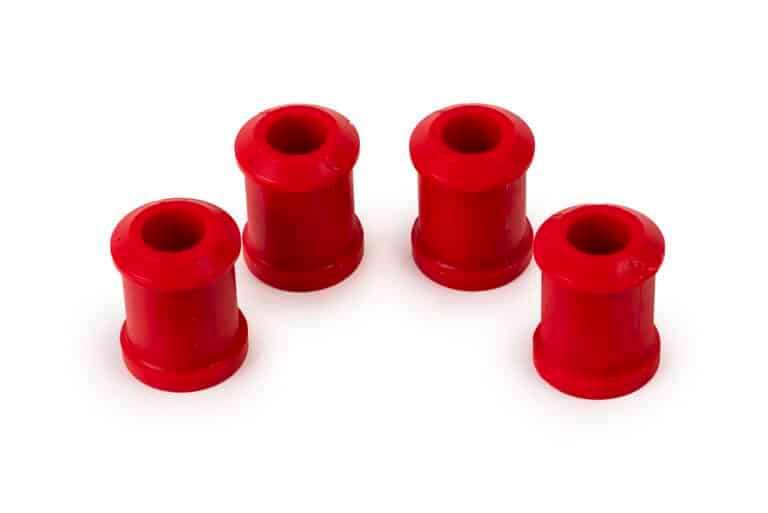
Vehicle Sets
OE Reference: 102228
Bushes Per Vehicle Set: 4
What Do The Different Grades Mean?
34D
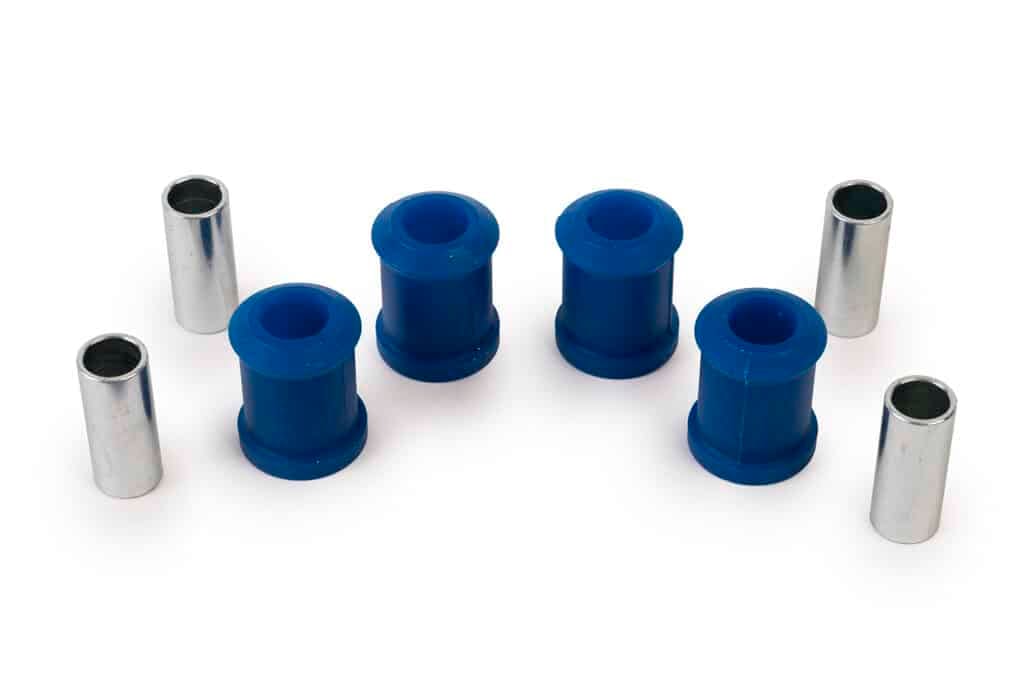
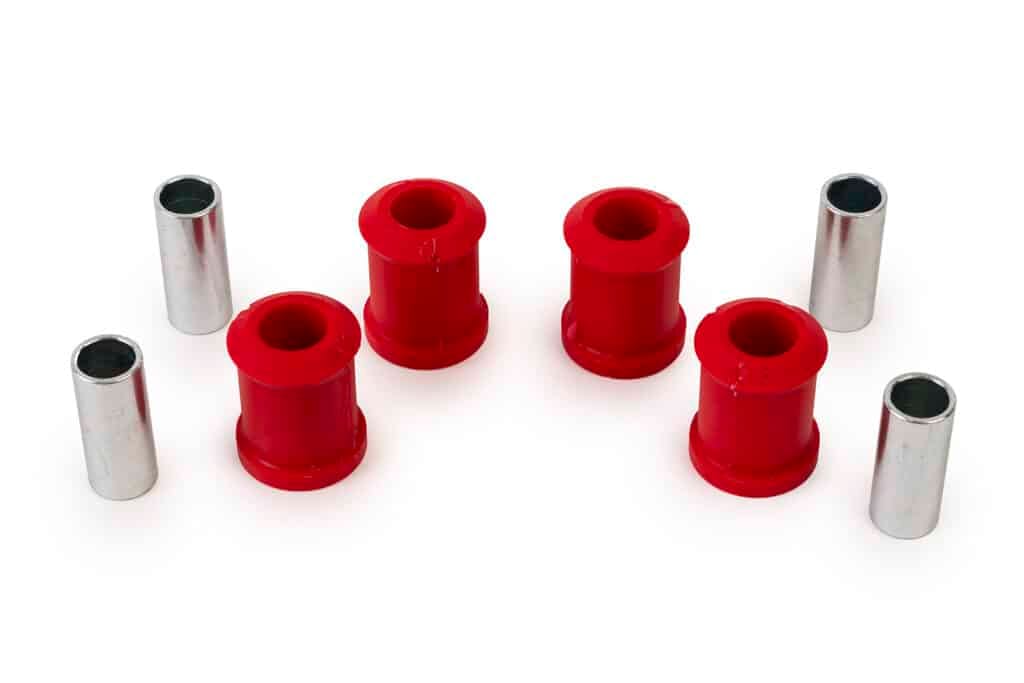
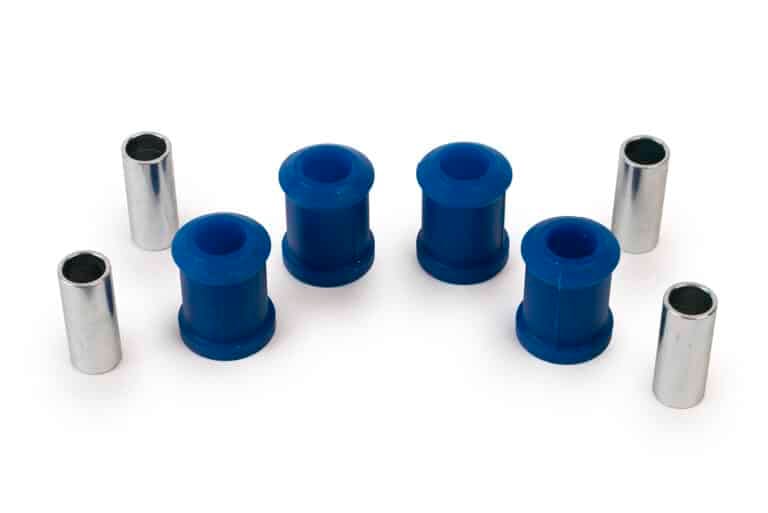
Vehicle Sets
OE Reference: 141481
Bushes Per Vehicle Set: 4
What Do The Different Grades Mean?
34E
Vehicle Sets
OE Reference: 123998
Bushes Per Vehicle Set: 2
What Do The Different Grades Mean?
34B
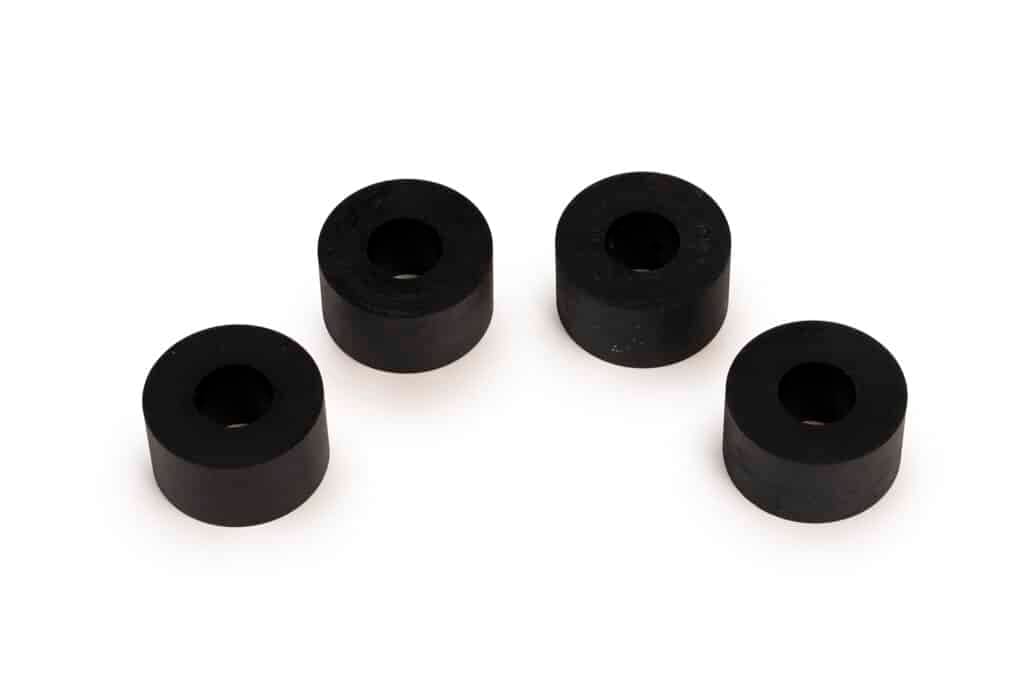
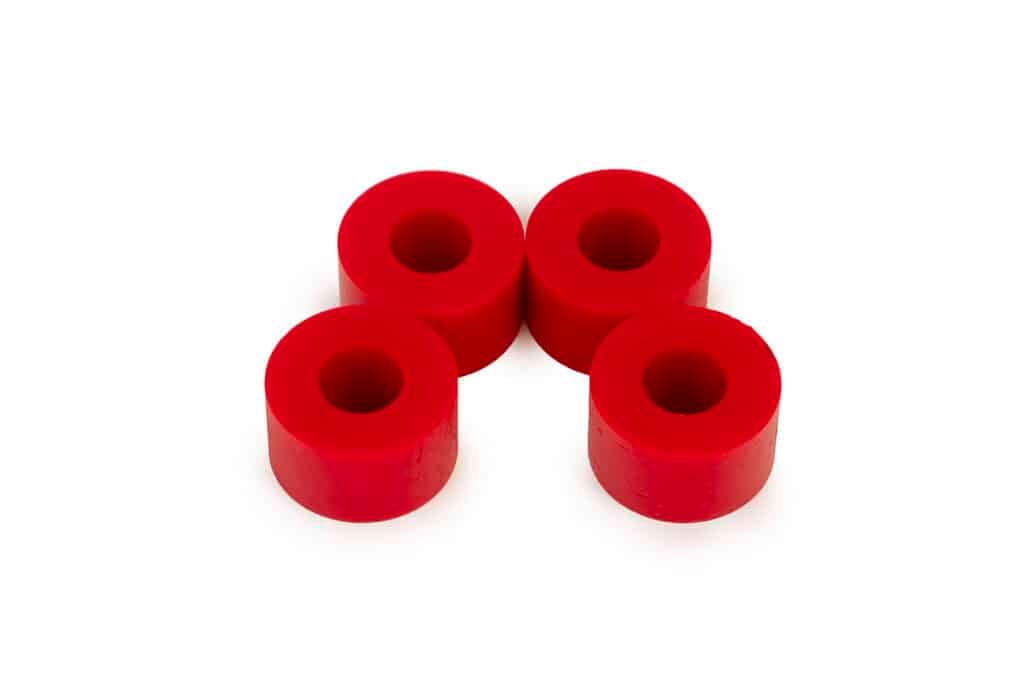
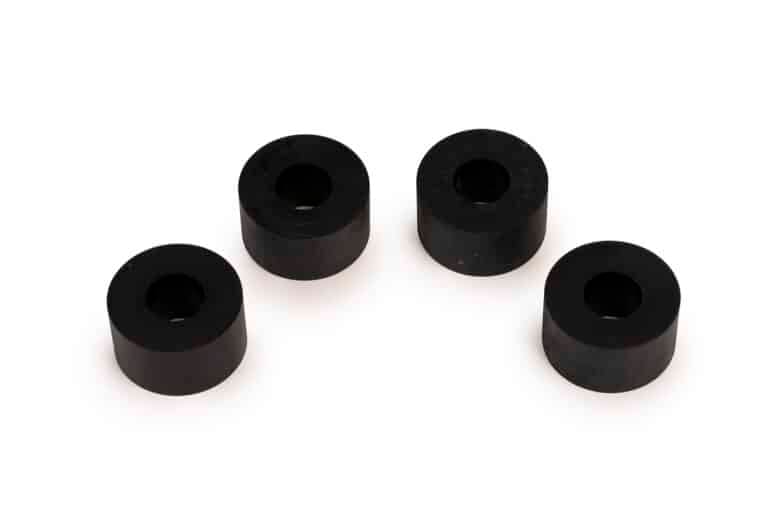
Vehicle Sets
OE Reference: C10996
Bushes Per Vehicle Set: 4
What Do The Different Grades Mean?
31D
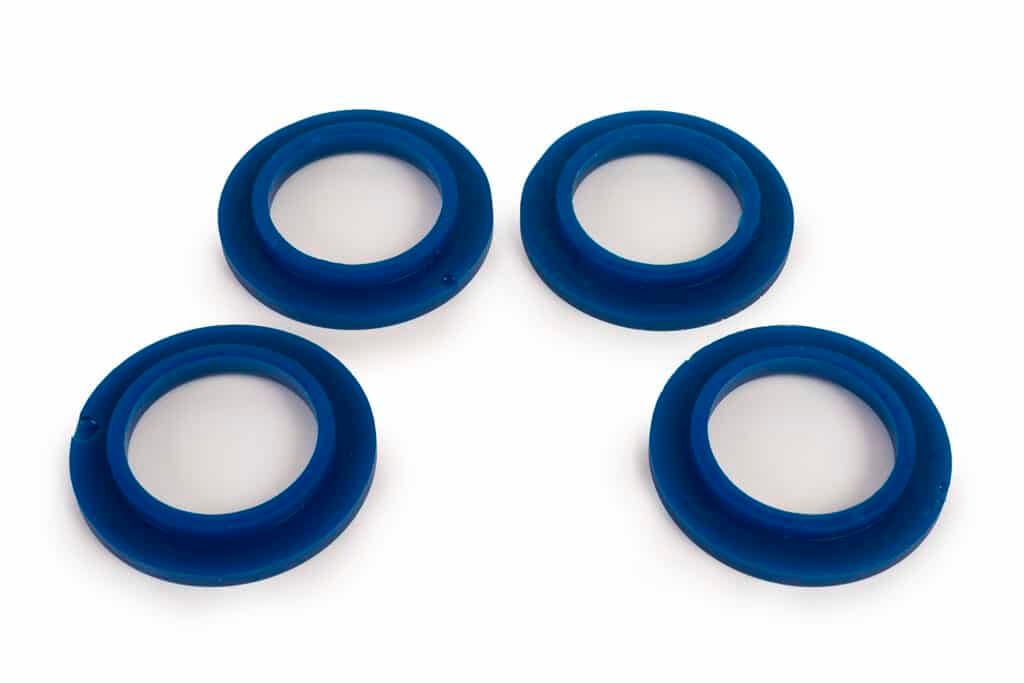
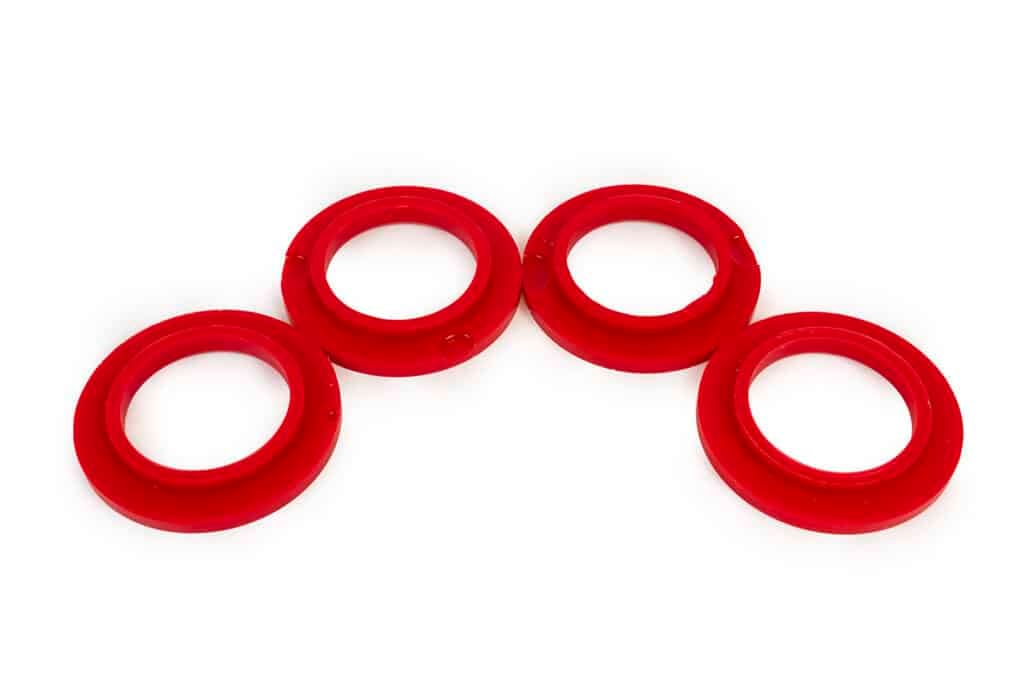
Vehicle Sets
OE Reference: 138823
Bushes Per Vehicle Set: 4
What Do The Different Grades Mean?
34S
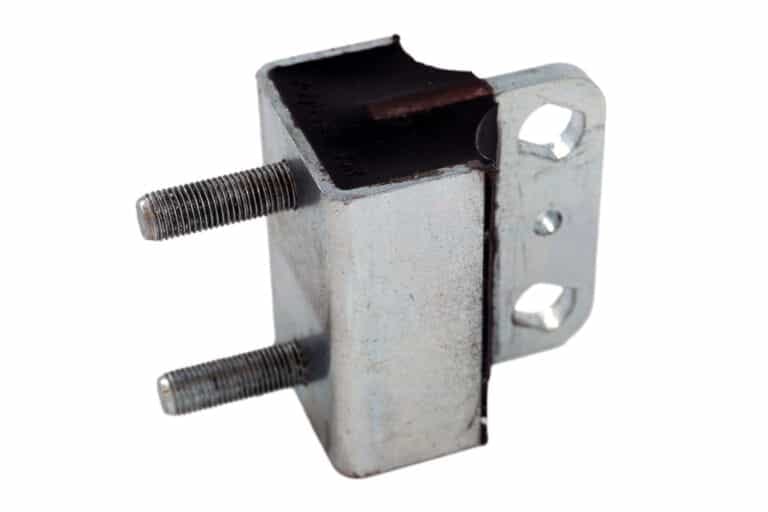
OE Reference: UKC8330, 132669
Bushes Per Vehicle Set: 1
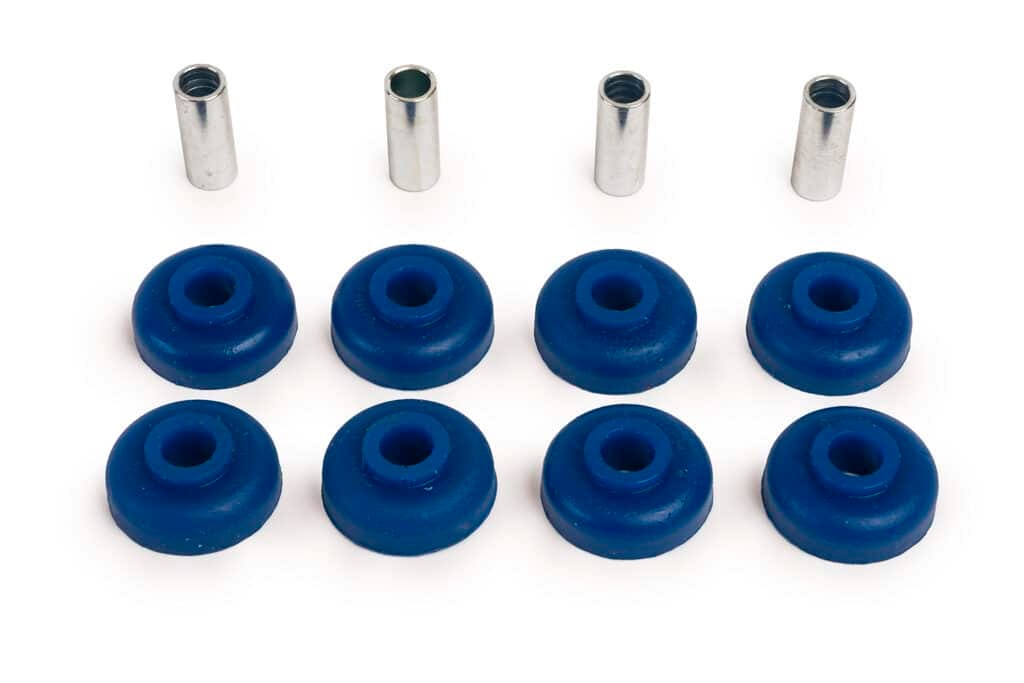
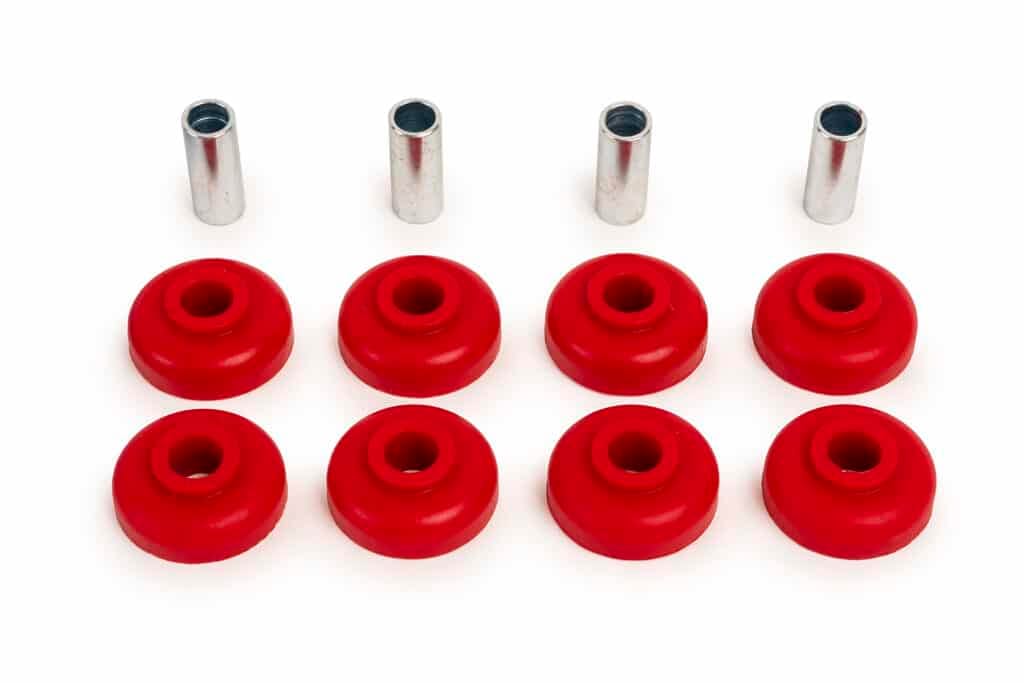
Vehicle Sets
OE Reference: 152588
Bushes Per Vehicle Set: 4
What Do The Different Grades Mean?
34P
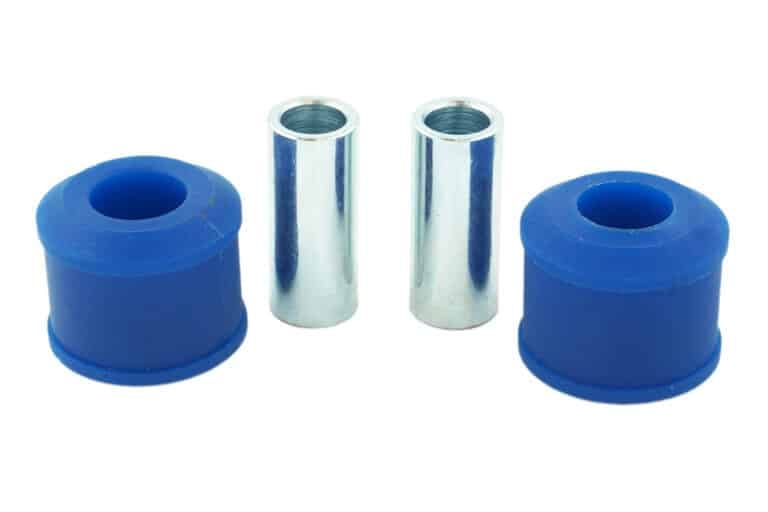
Vehicle Sets
Bushes Per Vehicle Set: 2
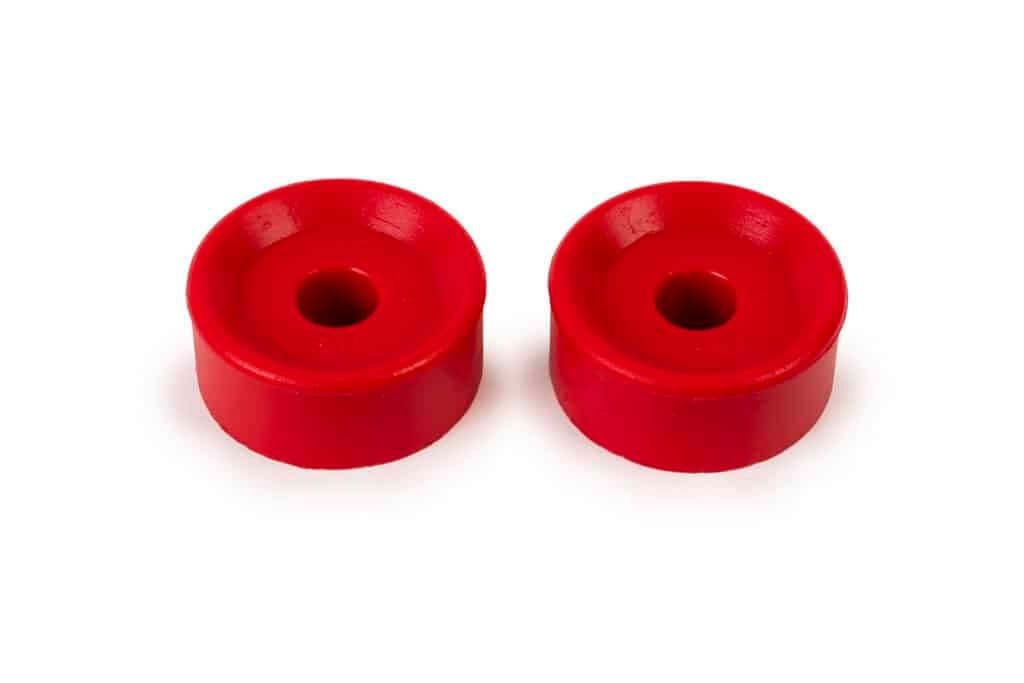
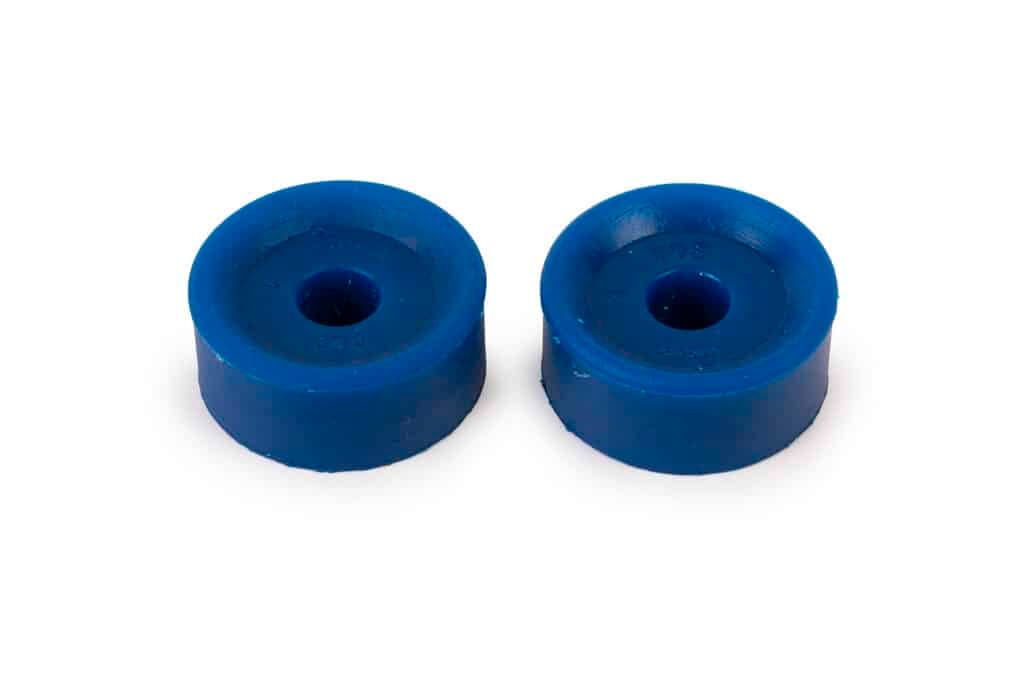
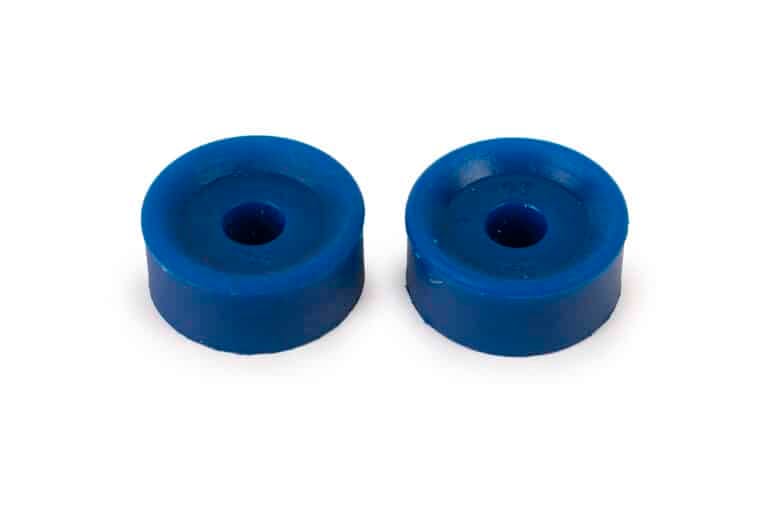
Vehicle Sets
OE Reference: 134236
Bushes Per Vehicle Set: 2
What Do The Different Grades Mean?
34H
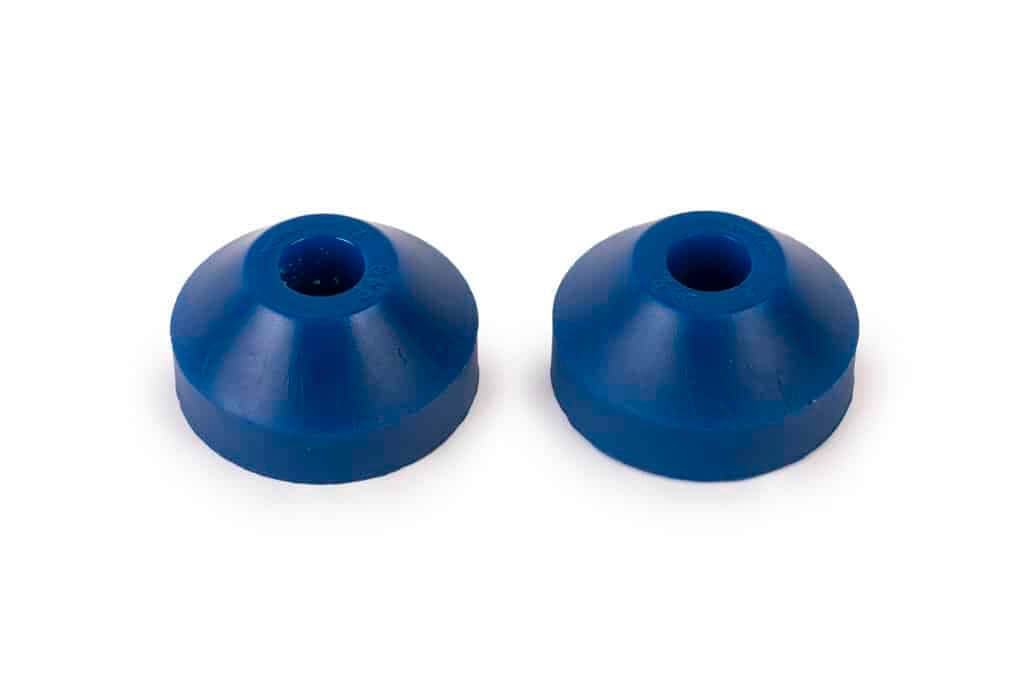
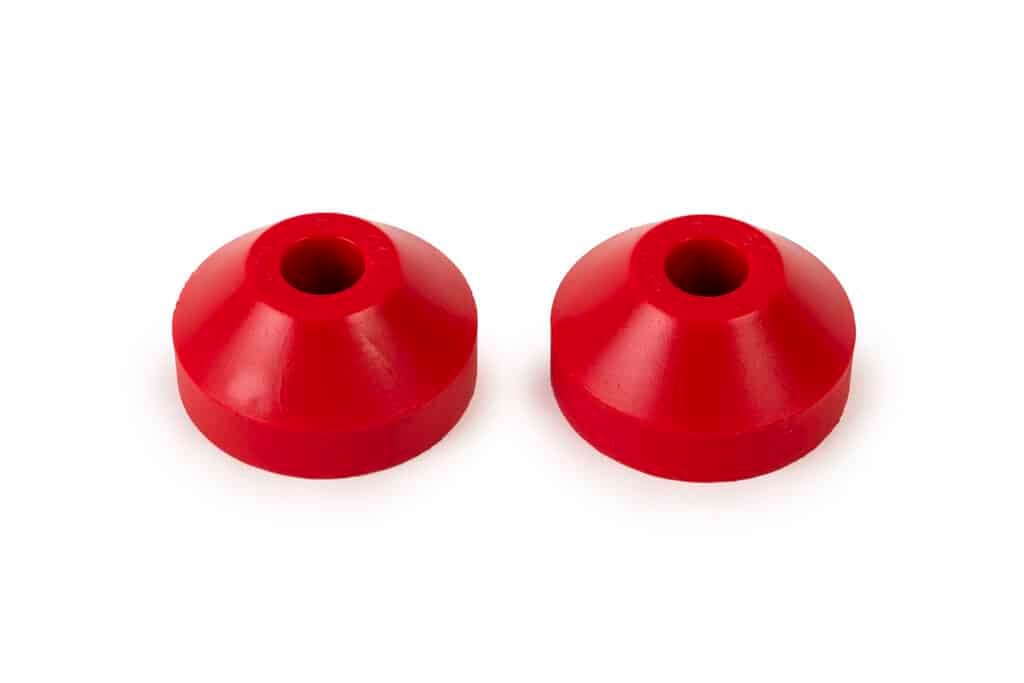
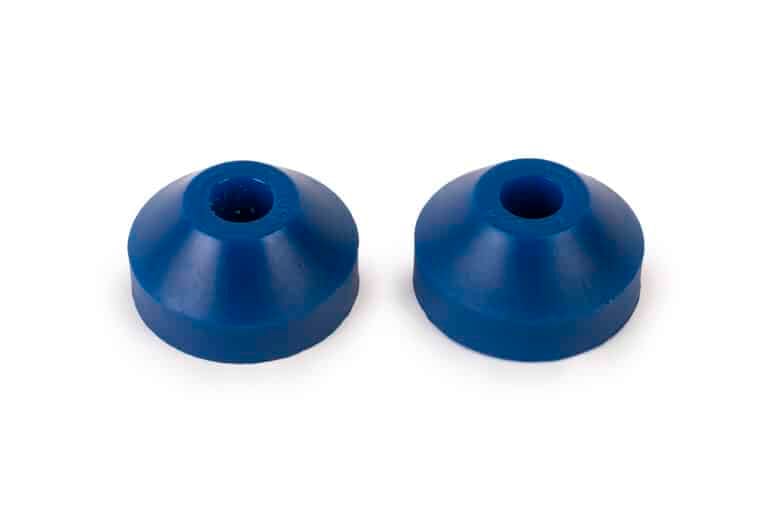
Vehicle Sets
OE Reference: 134235
Bushes Per Vehicle Set: 2
What Do The Different Grades Mean?
34G
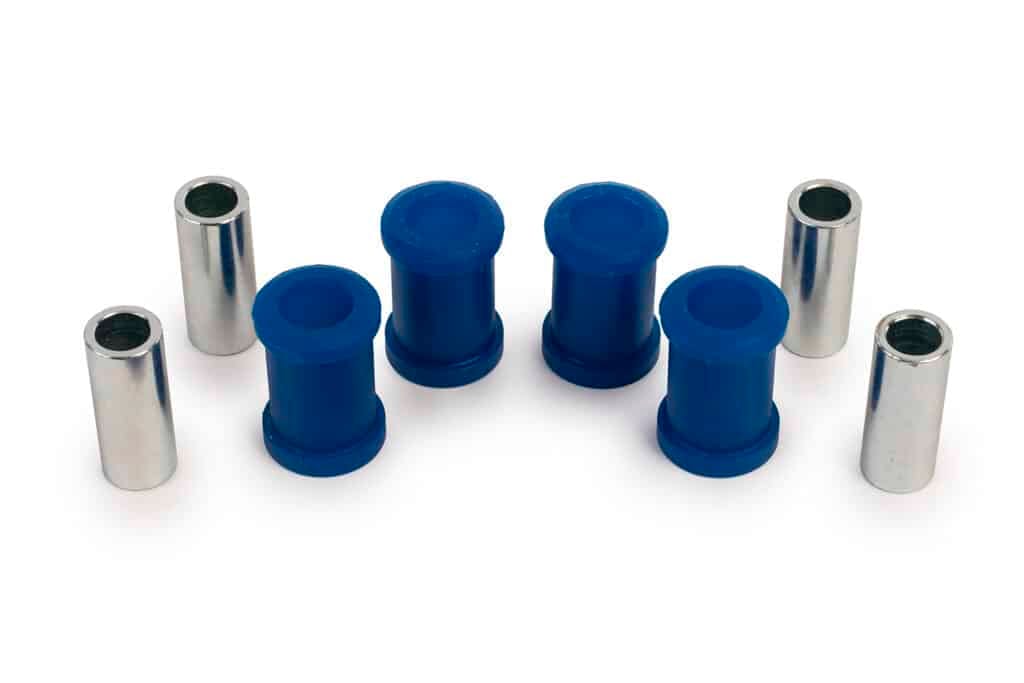
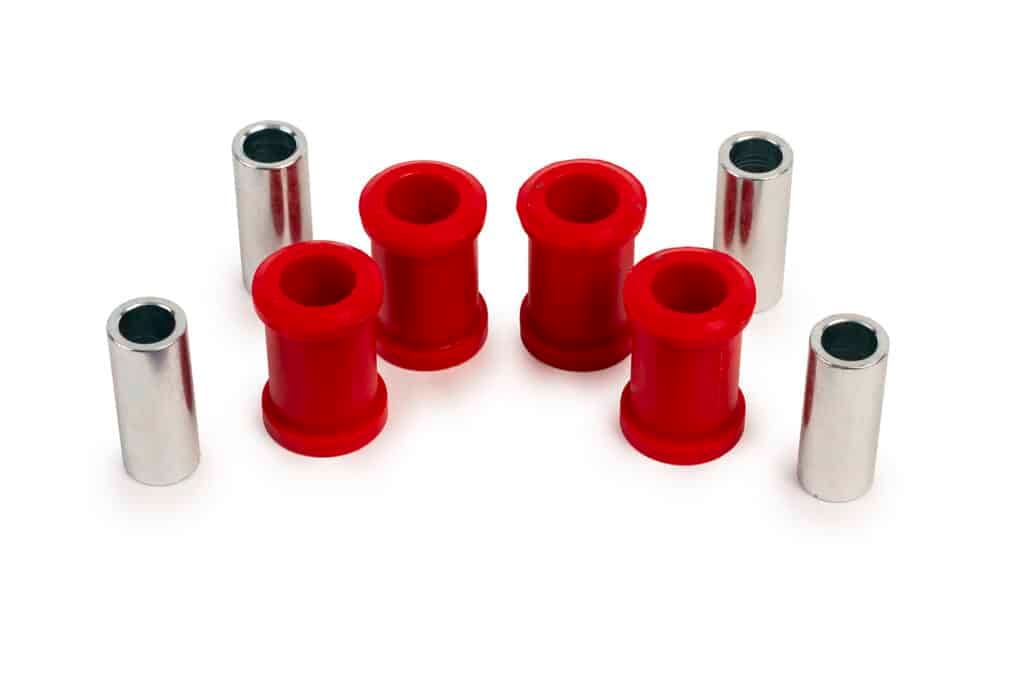
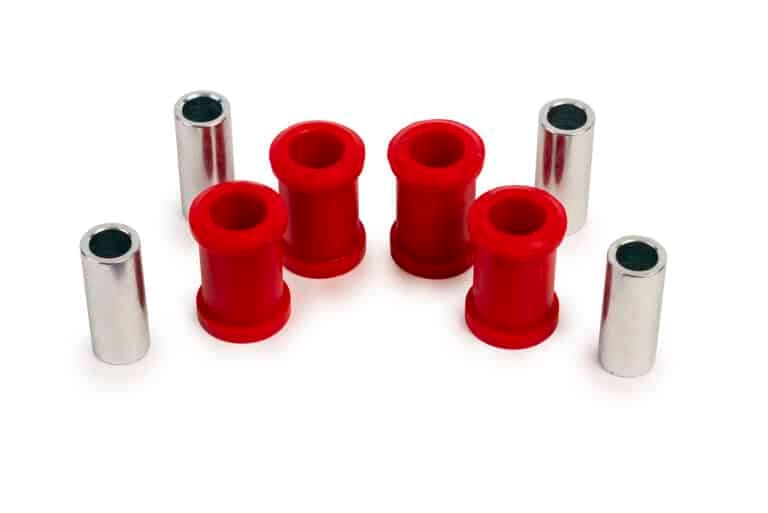
Vehicle Sets
OE Reference: 119450
Bushes Per Vehicle Set: 4
What Do The Different Grades Mean?
35K
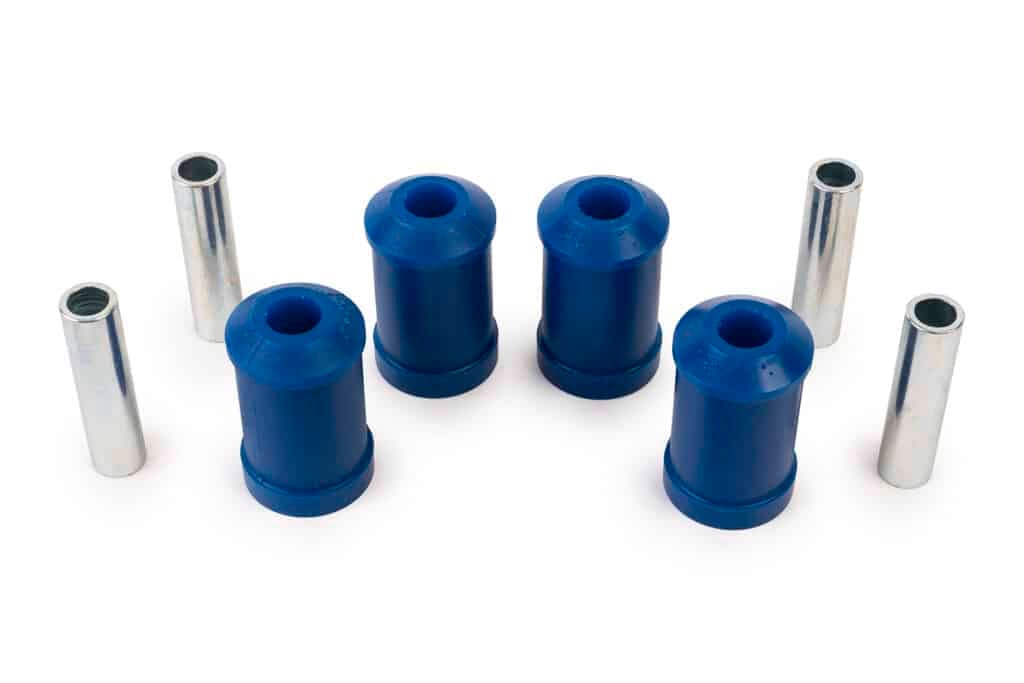
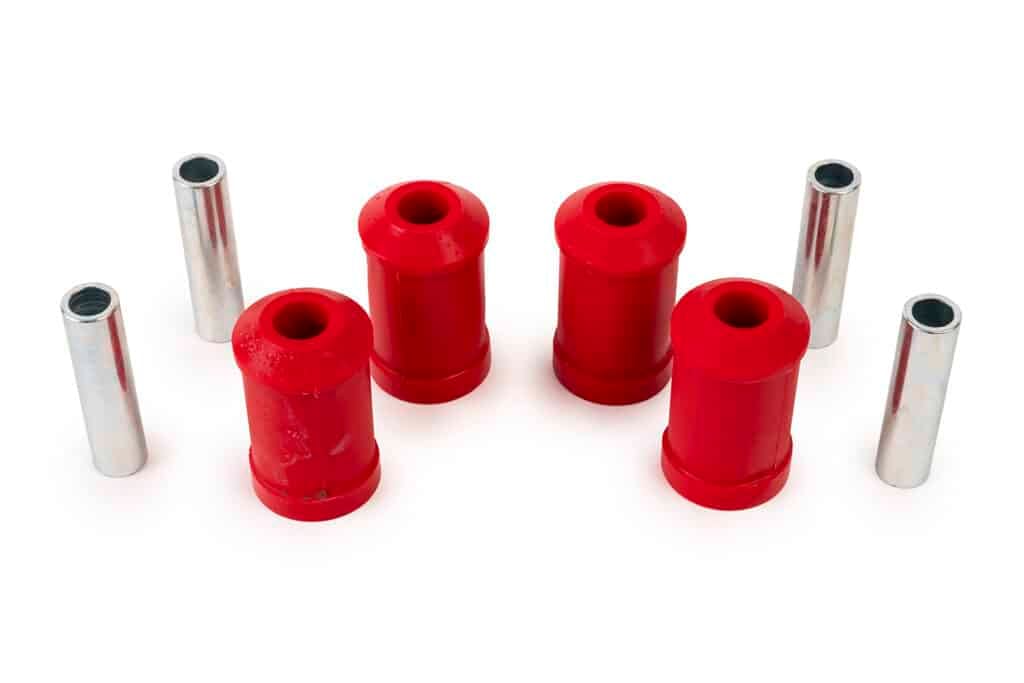
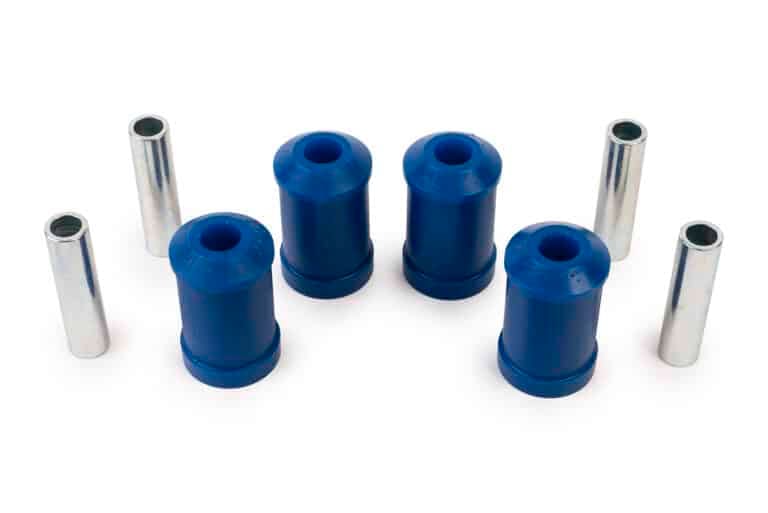
Vehicle Sets
OE Reference: 137599
Bushes Per Vehicle Set: 4
What Do The Different Grades Mean?
34F
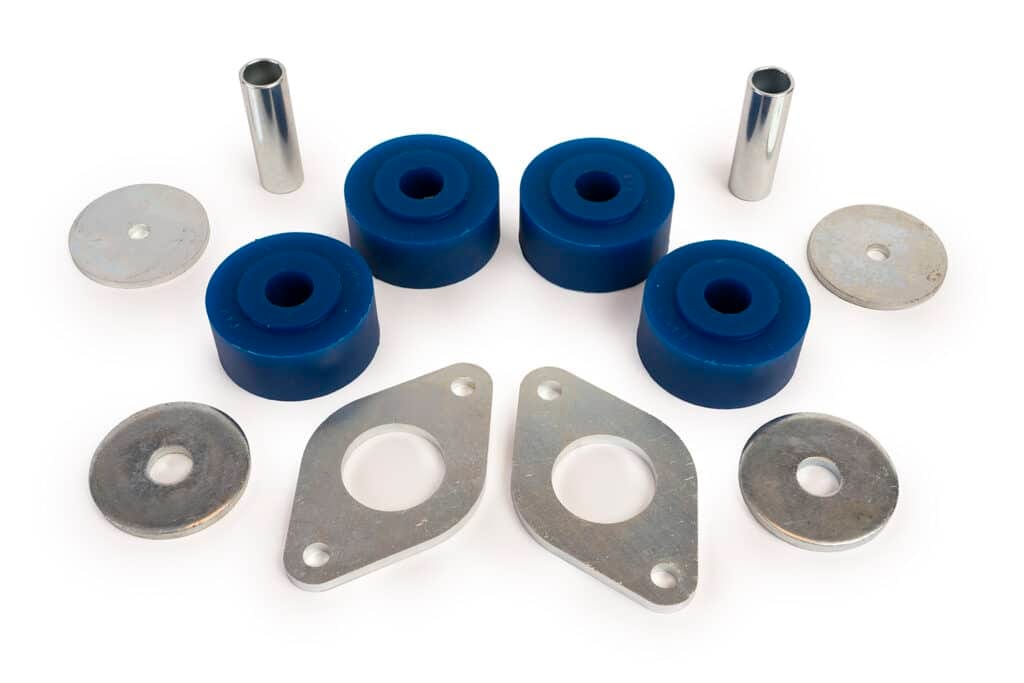
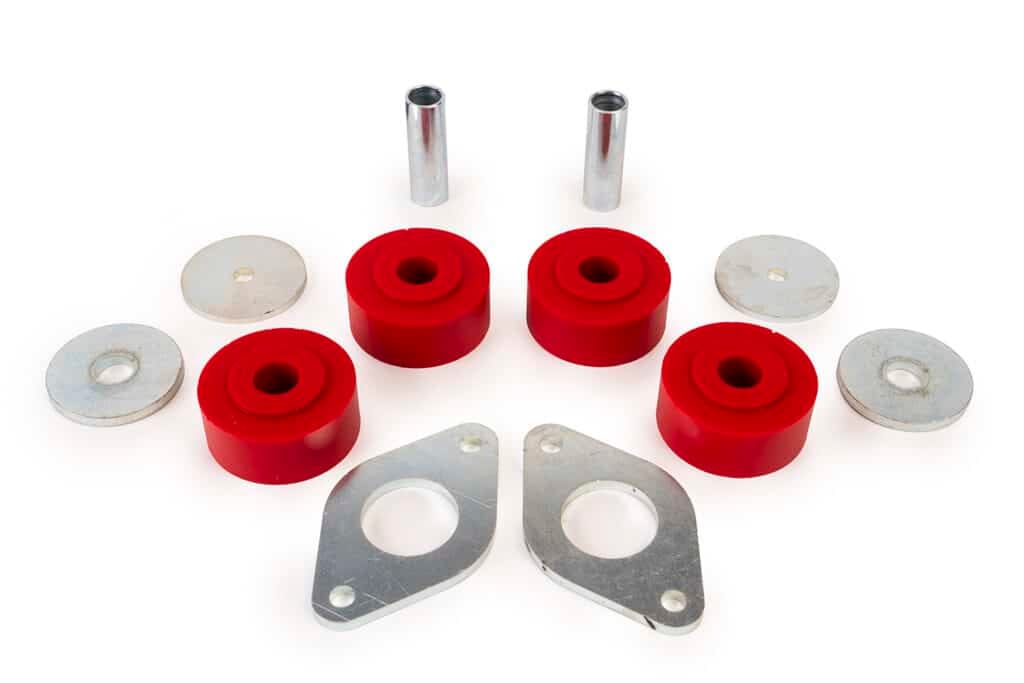
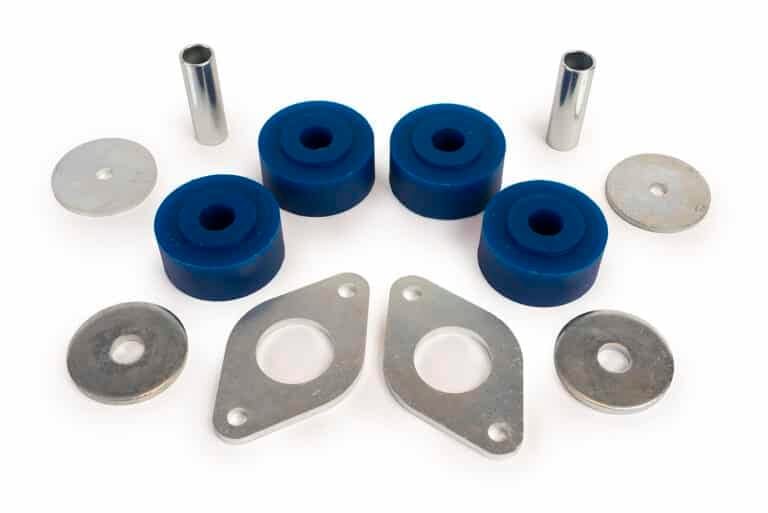
Vehicle Sets
OE Reference: 147783
Bushes Per Vehicle Set: 2
What Do The Different Grades Mean?
34J
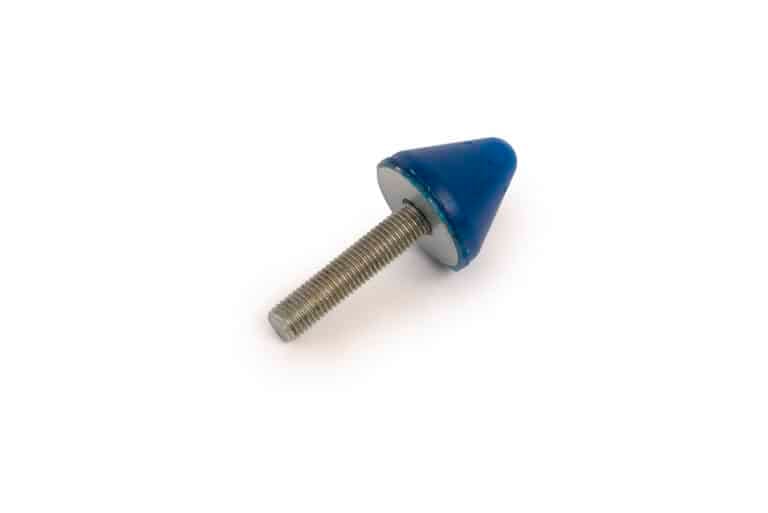
Vehicle Sets
OE Reference: 612962
Bushes Per Vehicle Set: 1
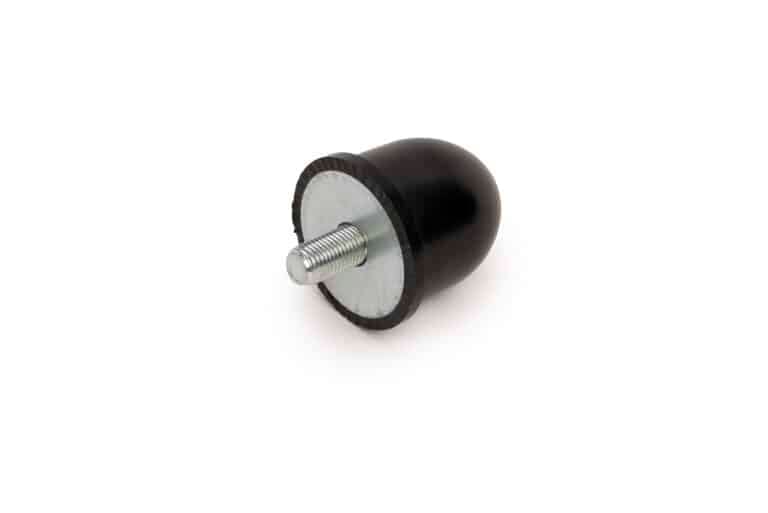
Vehicle Sets
OE Reference: 136758
Bushes Per Vehicle Set: 1 (2 Sets Are Required Per Vehicle)
Polybush – Thinsulate Beanie
Polybush – Baseball Cap
Bushes Per Vehicle Set: 2

Photos
Fitting Videos
Fitting Instructions
Additional product fitting instructions can be found below:
Specifications
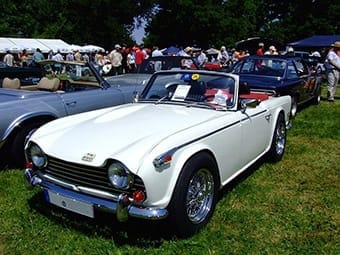
The TR5 brought fuel injection and a smooth 2.5-litre straight-six to the range, sold as the carburettor TR250 in America, all riding on the TR4A’s independent rear suspension. These 1967 to 1968 cars are quick and desirable, but their original rubber bushes have perished, so the handling has usually gone vague and the rear restless.
The independent rear leans on its trailing arm bushes, radius arm bushes and the differential mountings, the same differential many owners come here searching for, and worn examples let the back axle move under the six’s extra torque. At the front, the top and bottom wishbone, anti-roll bar and drop link bushes soften and the steering rack mounts add slack, dulling the response.
A polyurethane suspension kit gives a Triumph TR5 or TR250 back its sharp, planted feel and resists the oil and salt that rot rubber. The definitive six-cylinder TR that followed is the TR6, while the TR4A shares this rear end, or see the full Triumph range.