
Speak to one of our experts.

Speak to one of our experts.
We’ve selected the material that offers the best balance of performance and comfort for your vehicle’s needs.
Our Comfort grade bushes are designed to enhance ride quality and minimise road noise, making them ideal for everyday driving. They are softer, providing maximum suspension articulation and a cushioned feel that absorbs bumps and vibrations effectively. This softer composition ensures a smoother, quieter driving experience, especially in Classic cars or Land Rovers. Comfort bushes maintain a balance between originality and ease of driving, catering to those who value a relaxed Factory-Fresh drive.
The Dynamic grade bushes offer a middle ground between Comfort and Performance. They are slightly firmer than the Comfort bushes, which improves handling and cornering response without sacrificing too much ride comfort. These bushes are ideal for drivers who enjoy a more engaging driving experience while still needing a level of comfort for daily use, whilst also being suitable for spirited driving & light track use.
Performance grade bushes are the stiffest of the three, designed for enthusiasts who demand the utmost in handling and control. They offer minimal deflection, enhancing vehicle response and stability during aggressive driving. These bushes are perfect for high-performance or track vehicles where precision and handling are critical. While they might sacrifice some ride comfort, they deliver superior driving dynamics and control, ideal for those who push their vehicle to its limits – Including Towing!
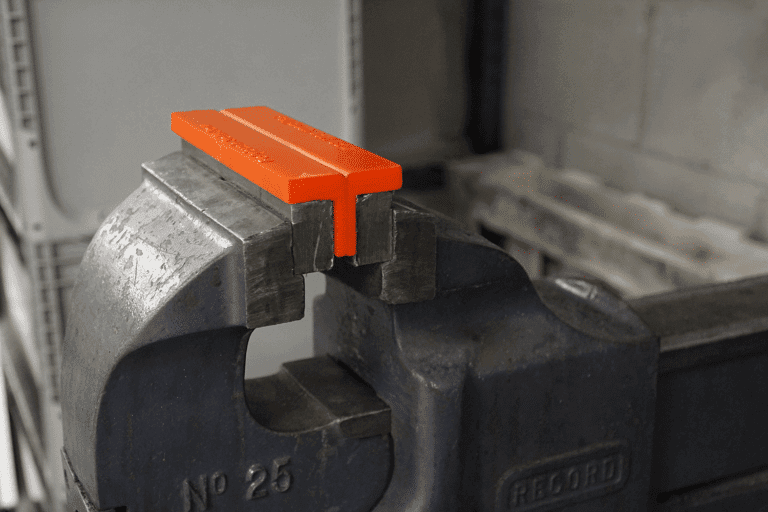
These rods are produced in 90 Shore A which allows them to be machined on a lathe.
Polybush Shop


Vehicle Sets
36B
Number of bushes: 2
OEM number: 20201FA050 / 20201FA060

Vehicle Sets
36D
Number of bushes: 2
OEM number: 20271AA021

Vehicle Sets
36E
Number of bushes: 2
OEM number: 20271AC010

Vehicle Sets
36F
Number of bushes: 2
OEM number: 20251AA010

Vehicle Sets
36G
Number of bushes: 2
OEM number: 20251AA040

Vehicle Sets
36H
Number of bushes:
OEM number: 20251AA000

Vehicle Sets
36J
Number of bushes: 2
OEM number: 20201AA000

Kits
Bushes Per Vehicle Set: 16
View Kit Contents
Kit 90

Vehicle Sets
OE Reference: 20201AA000
Bushes Per Vehicle Set: 2

Vehicle Sets
OE Reference: 20201FA050 / 20201FA060
Bushes Per Vehicle Set: 2

Vehicle Sets
OE Reference: 20401AC010
Bushes Per Vehicle Set: 2

Vehicle Sets
OE Reference: 20251AA040
Bushes Per Vehicle Set: 2

Vehicle Sets
OE Reference: 20251AA000

Vehicle Sets
OE Reference: 20251AA010
Bushes Per Vehicle Set: 2

Vehicle Sets
OE Reference: 20271AA021
Bushes Per Vehicle Set: 2

Vehicle Sets
OE Reference: 20271AC010
Bushes Per Vehicle Set: 2

Vehicle Sets
OE Reference: 20371AA041
Bushes Per Vehicle Set: 2

Vehicle Sets
OE Reference: 20321AA201
Bushes Per Vehicle Set: 2
Polybush – Thinsulate Beanie
Polybush – Baseball Cap
Bushes Per Vehicle Set: 2
Bushes Per Vehicle Set: 1
What Do The Different Grades Mean?
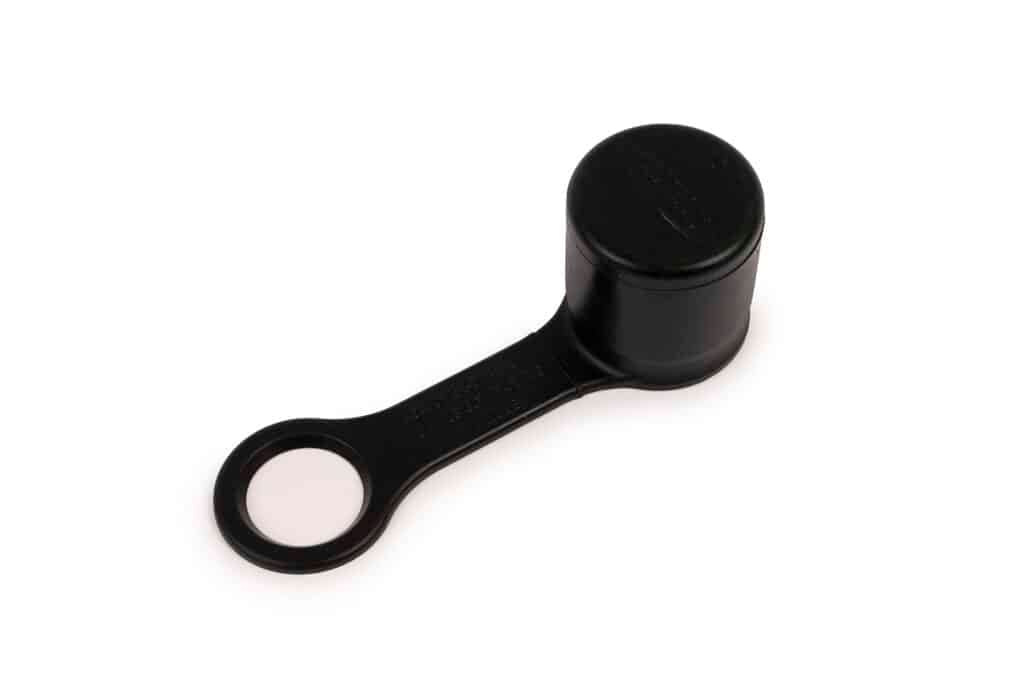
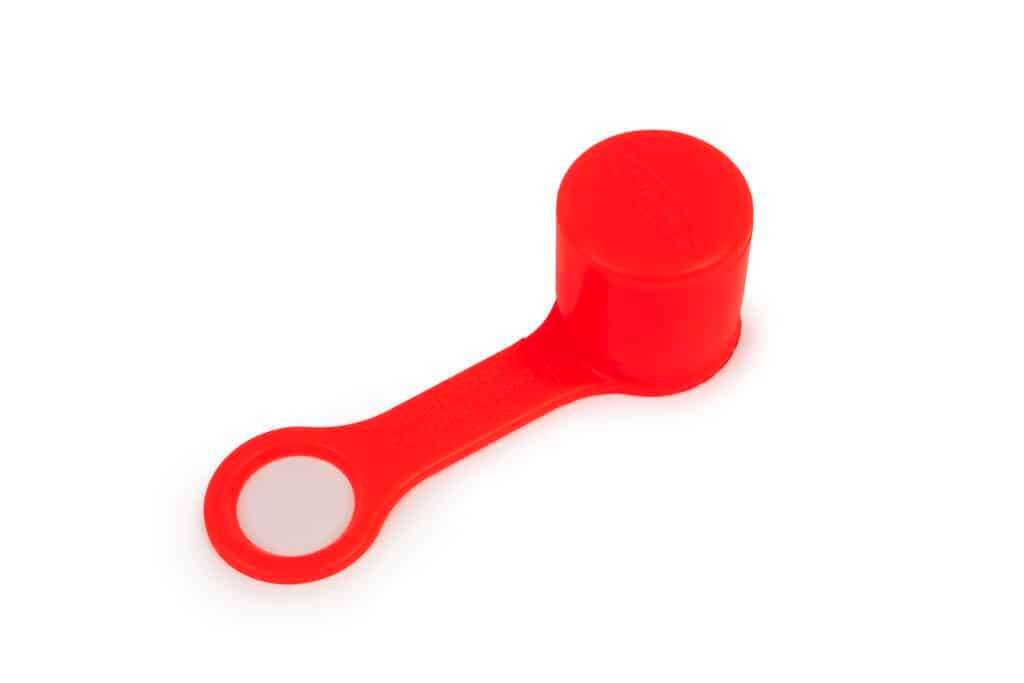
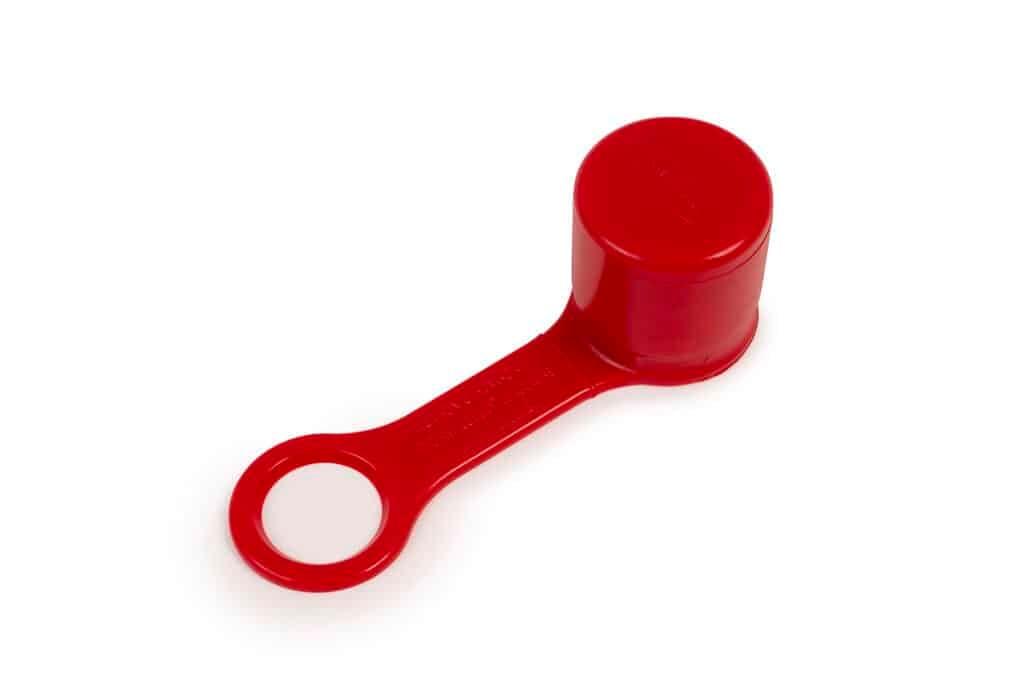
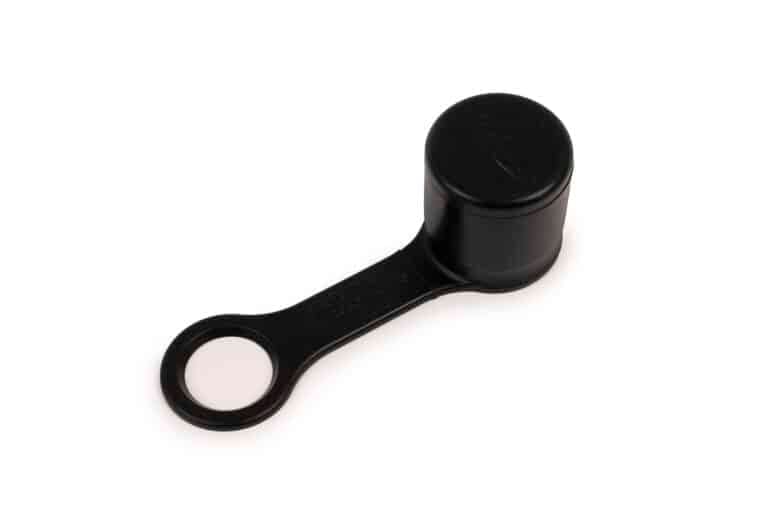
Tow Bar Ball Cover Protective Cap

Photos

Fitting Videos
Specifications
The Forester SF, built from 1997 to 2002, is essentially a raised Impreza estate, and that shared engineering is the reason it drives so much better than its boxy shape suggests. It is also the reason the bushes wear the way they do, because a taller body working the same suspension puts more leverage through every pivot.
At the rear it uses fore and aft track arms with separate inner bushes and a shared outer pair, plus a trailing arm mounted at both the hub and the body. Those points hold rear toe, and on a car that is often used on rough surfaces and towing they take a beating. The symptom is rarely dramatic: the Forester simply stops tracking straight on a crowned road and needs more small corrections than it used to. At the front, the wishbone takes a 55mm tube front bush, with a 19mm anti roll bar clamp.
Polybush covers it as one front and rear kit excluding the anti roll bar. See the later Forester SG, the Classic Impreza underneath it, or the Subaru range.