
28 September 2026

Speak to one of our experts.

13 February 2026
Share:


Advice Blog
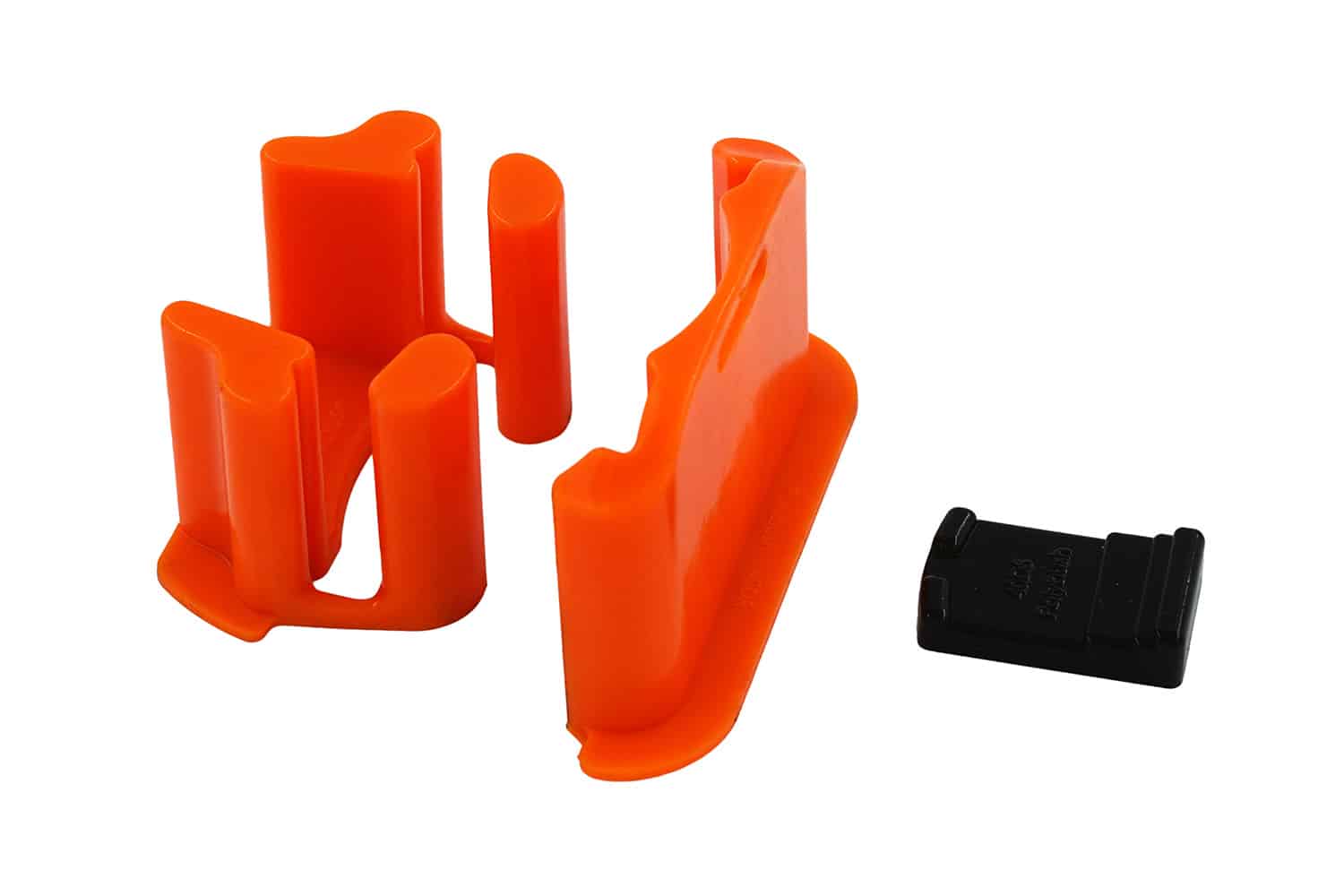
Are you sick of the dreaded Transit dogbone mount failing on your Ford Transit & Tourneo Custom V362/V363 (2013–2023)? You’re not alone. At Polybush, we’ve been listening to Transit owners, van converters, tradespeople and fleet mechanics who keep seeing the same issue crop up again and again — the lower torque mount (often called the dogbone mount) simply doesn’t last when left in standard rubber form. That’s exactly why we developed the 40DQ Lower Torque Mount Insert.
This isn’t just another “replacement part” — it’s a genuine performance and durability upgrade for a known weak point on these vans.
Our 40DQ Lower Torque Mount Insert is engineered to be installed into the original mount housings for the following OEM part numbers:
1771506
1786184
2015369
BK21-6P082-AC
BK21-6P082-AD
BK21-6P082-AE
Febi No: 174862
Fits:
Let’s break it down in simple terms: the lower torque mount (dogbone) is there to control engine and transmission movement under load — especially on acceleration, deceleration and gear changes. In a Transit carrying heavy payloads or towing regularly, that mount sees a lot of abuse.
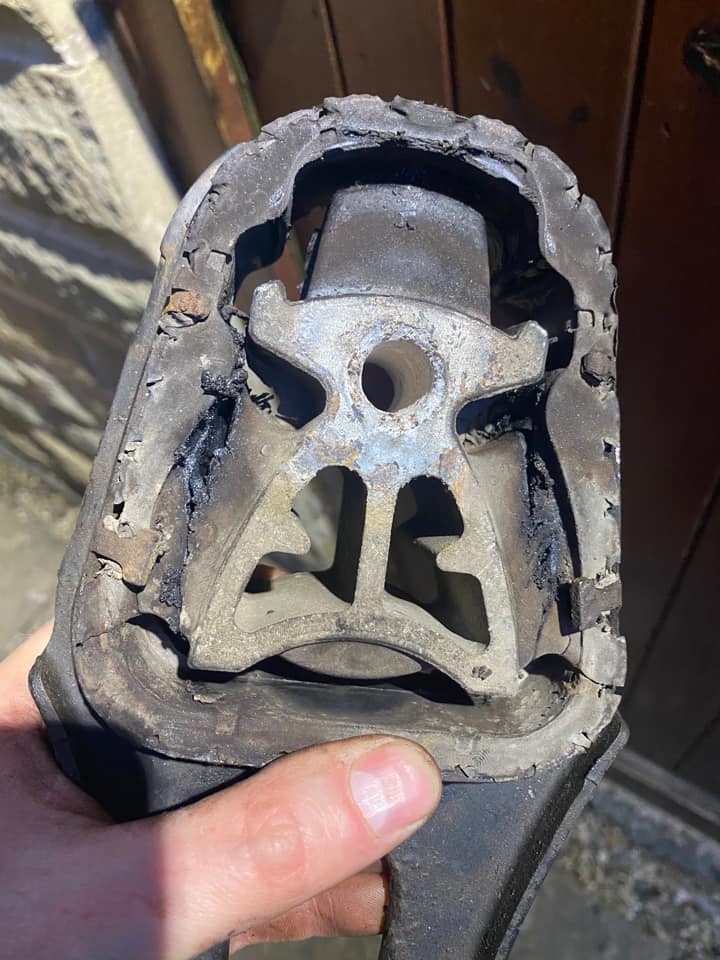
The trouble is, the factory uses rubber in these mounts. While rubber is quiet and cheap, it has some critical weaknesses:
Age hardening: Rubber hardens over time, especially when exposed to heat and engine bay oils.
Creep & distortion: Under constant torque loads, it stretches and deforms.
Water/oil contamination: Oil and road grime degrade rubber faster than you expect.
Loose feel: As it deteriorates, the engine moves more — leading to clunks, vibrations and stress elsewhere.
Search forums like TransitCenter or social groups on Facebook, and you’ll find countless owners complaining “dogbone mount snapped again”, “engine shifting under acceleration”, or “harsh vibration when pulling loads”. This is exactly the failure mode that cheap-as-chips rubber replacements can’t fix — because they’re the same material Ford originally used.
Instead of replacing the whole mount with another rubber one that will fail again, we’ve taken a smarter approach: insert a high-performance polyurethane core into the existing mount housing.
Stops the rubber crushing under load
Maintains torque control without letting the engine flop about
Reduces harsh vibration without making it uncomfortable
Greatly extends life compared with OEM rubber
This isn’t “rock hard” street racer stiffness — it’s engineered to strike the right balance for a working van.
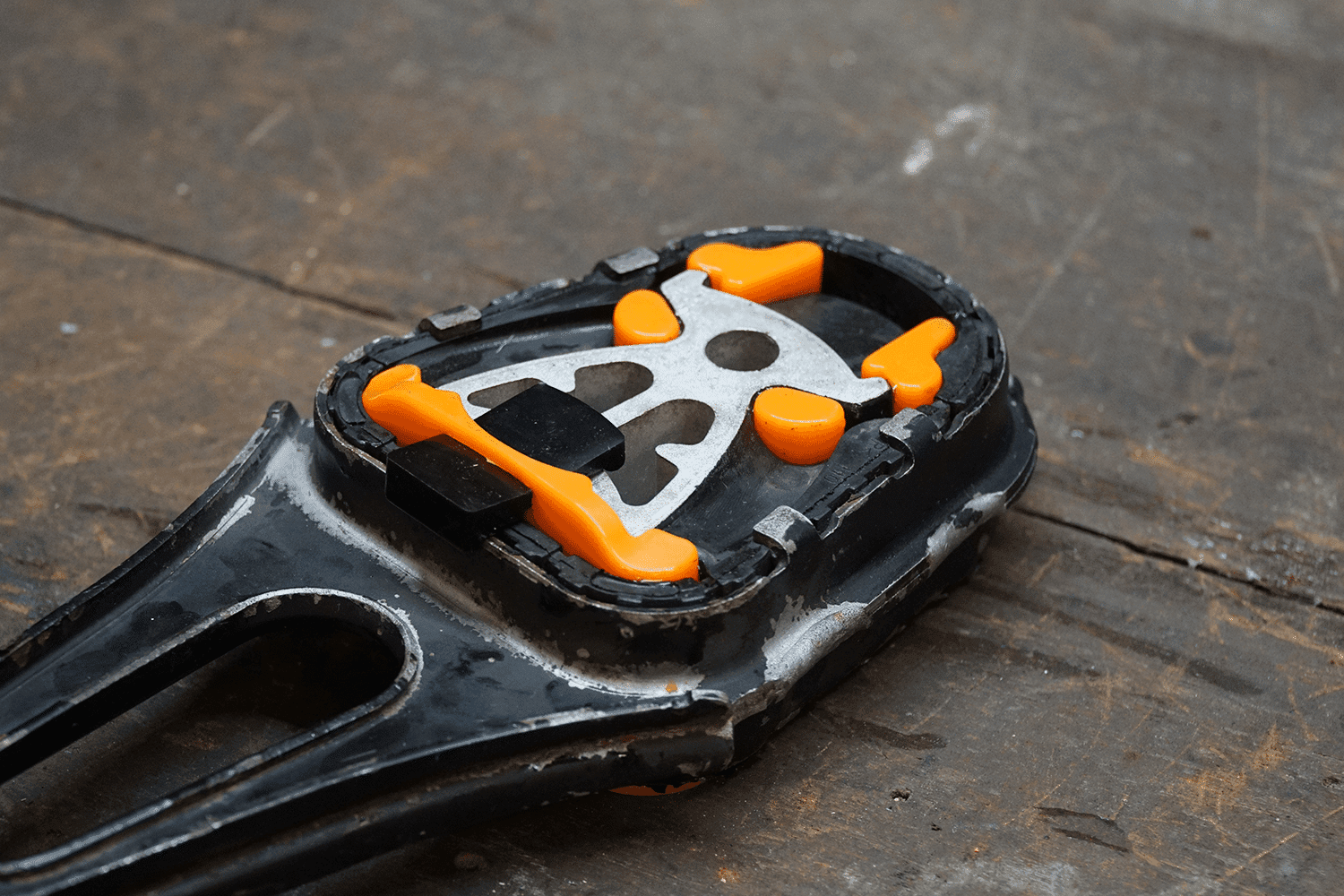
Let’s chat materials for a moment — because this is where people either get it… or don’t.
| Feature | Polyurethane | Rubber |
|---|---|---|
| Load Bearing | Excellent | Moderate |
| Fatigue Resistance | Very high | Moderate |
| Oil/Contaminant Resistance | Very high | Poor |
| Hardness Stability | Stable over temperature | Softens/hardens with age |
| Noise/Vibration | Tunable | Tunable but degrades |
Put simply: polyurethane does the job rubber was supposed to do — but better and for longer. It doesn’t sag or deform under load, it’s far more resistant to oil and heat, and it won’t turn into a brittle lump after a few years on the road.
So while rubber is comfortable when new, it’s a known failure point on high-stress parts like the Transit dogbone mount. Polyurethane keeps its shape, keeps your engine centred and keeps the van feeling tighter over more miles.
Whether you’re a fleet manager tired of repeat failures, a van lifer prepping your Transit for a round-Europe tour, or a tradesperson relying on your van every day, the 40DQ Lower Torque Mount Insert is an upgrade that makes practical sense:
Less downtime
Reduced vibration/noise
Improved drivetrain control
Longer service life
No need for expensive aftermarket “heavy duty” rubber parts
The Transit dogbone mount might be easy to overlook — until it fails. And when it does, you feel every gear change and hard acceleration. Our 40DQ insert isn’t about making your van feel “racey” — it’s about giving you confidence that the mount won’t be the next thing to let you down.
If you’re after a reliable, durable, engineered solution rather than a stop-gap rubber replacement, this is it.