

Astra H, Zafira B or Meriva B Rear Suspension Knocking? Here’s the Problem – and the Last Bush You’ll Need to Fit
If you’ve found yourself searching for “Astra H rear suspension knocking”, “Zafira B rear axle bush replacement”, “Meriva B knocking from rear suspension” or “rear end feels loose on Astra H”, you’re certainly not alone.
The Vauxhall/Opel Astra H, Zafira B and Meriva B are all reliable cars. Still, as they get older, there’s one suspension component that almost every owner will eventually have to deal with: the rear axle bushes.
When these bushes begin to fail, they can completely change the way the car drives. The good news? Once you’ve identified the problem, you don’t have to settle for another set of rubber bushes that will quickly do the same thing again.
Common Symptoms of Worn Rear Axle Bushes
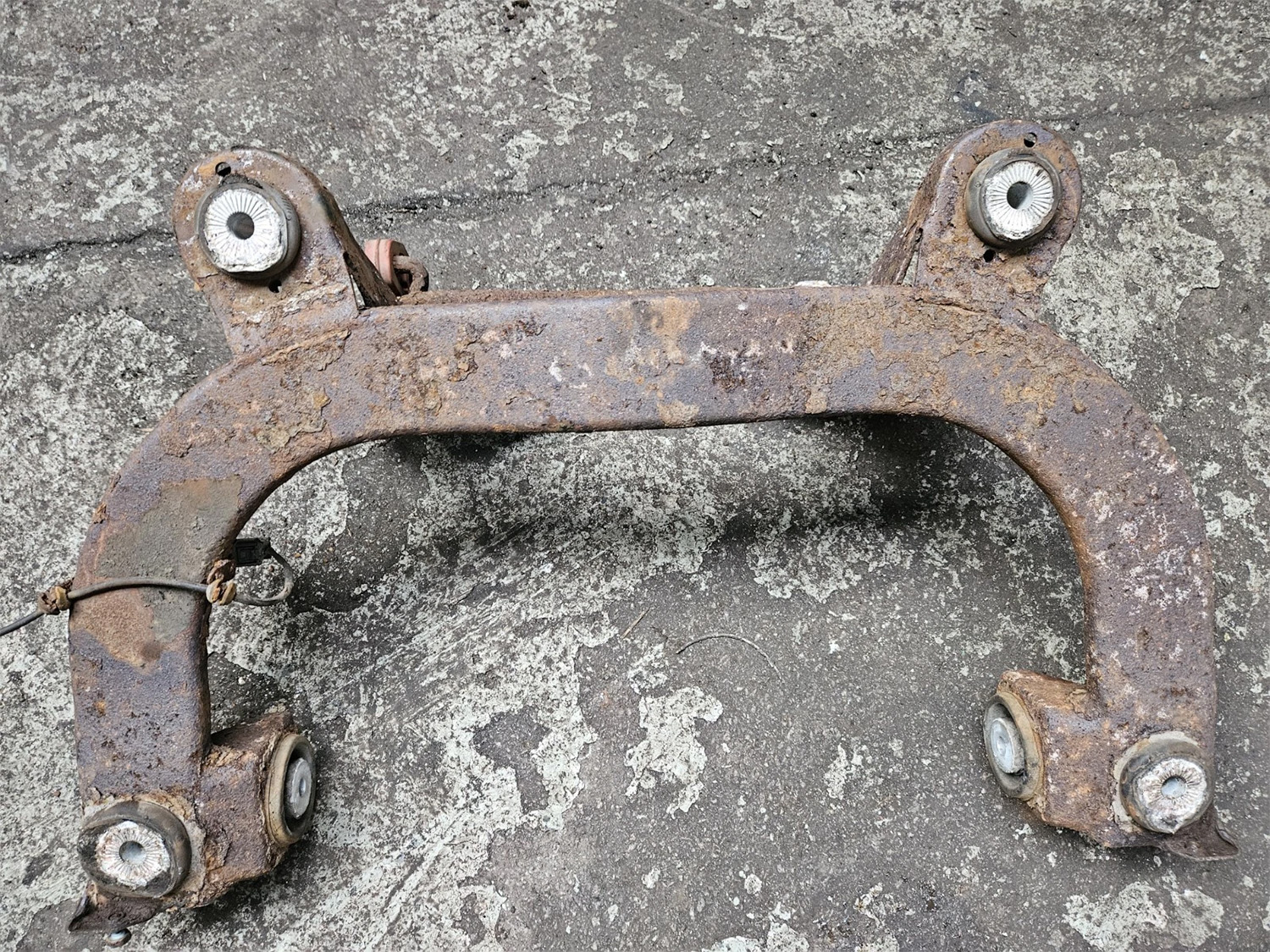
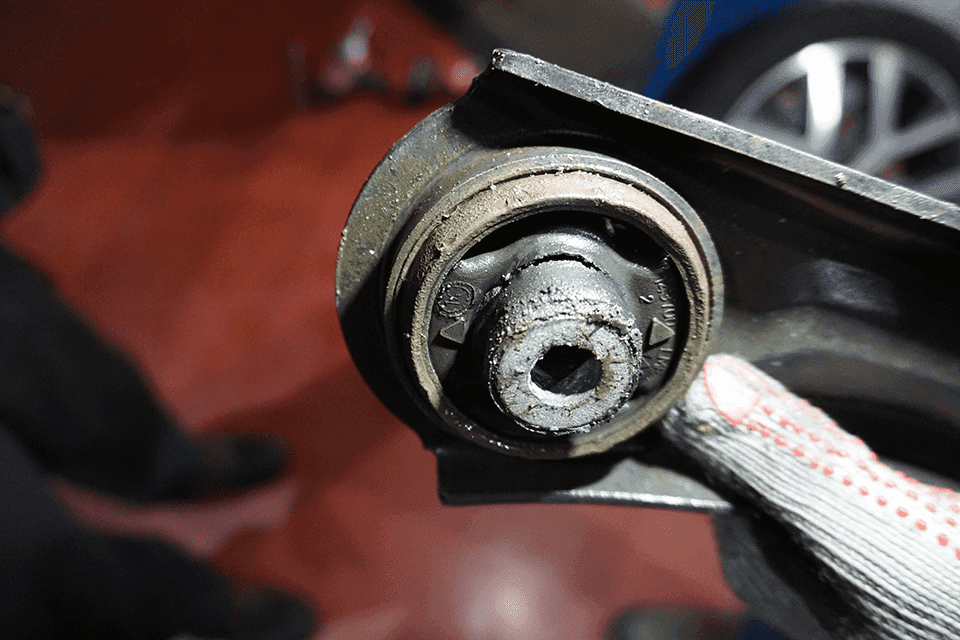
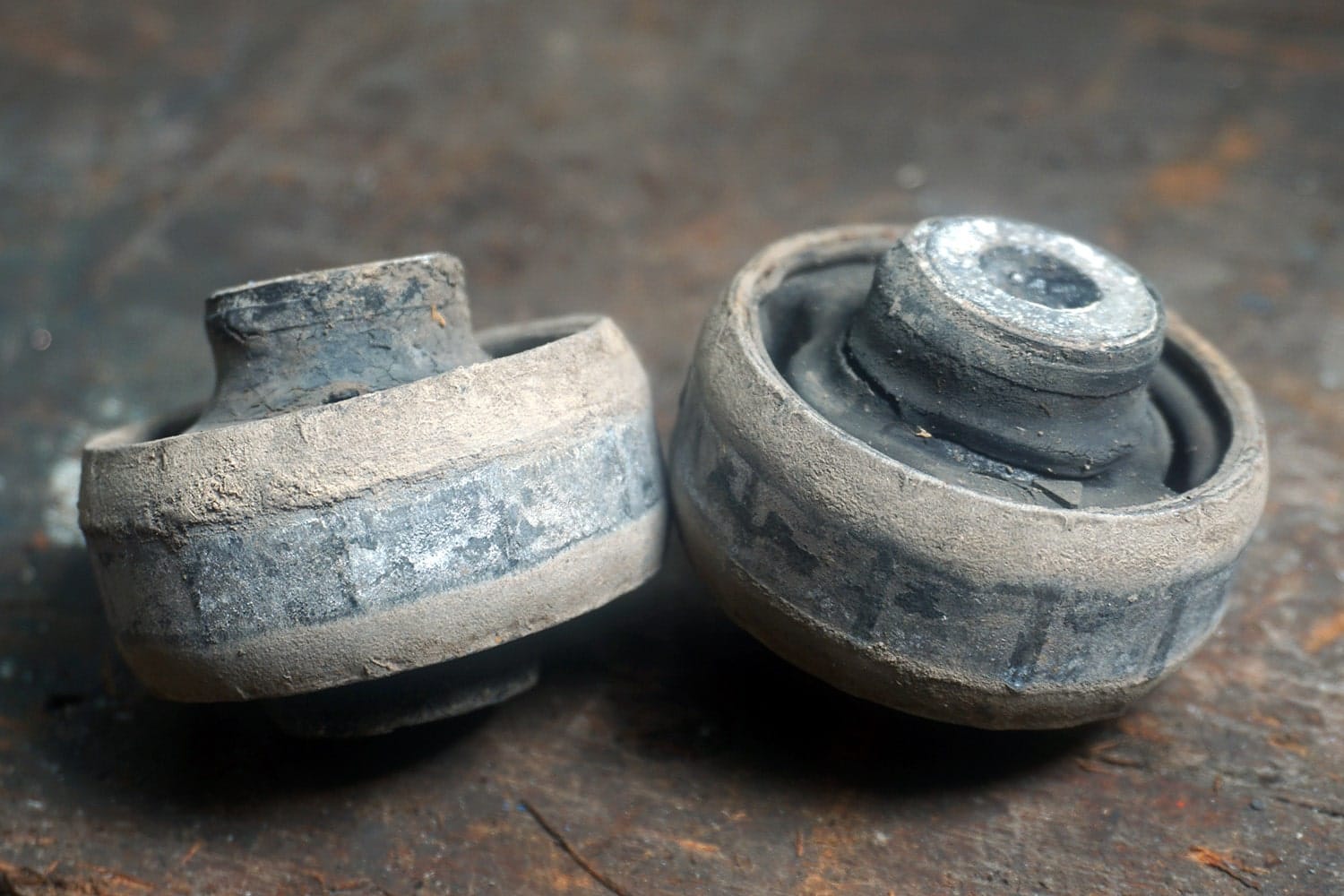
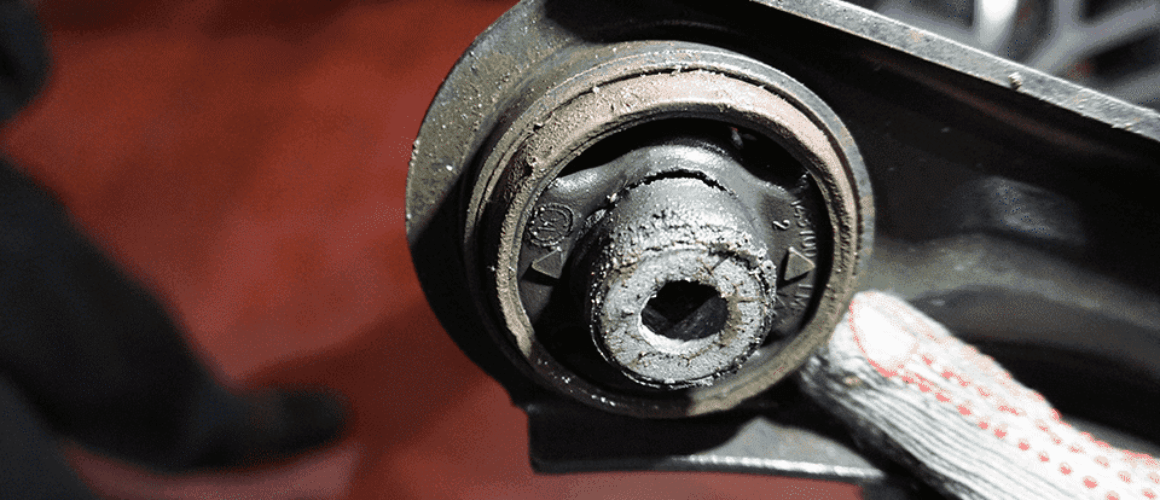
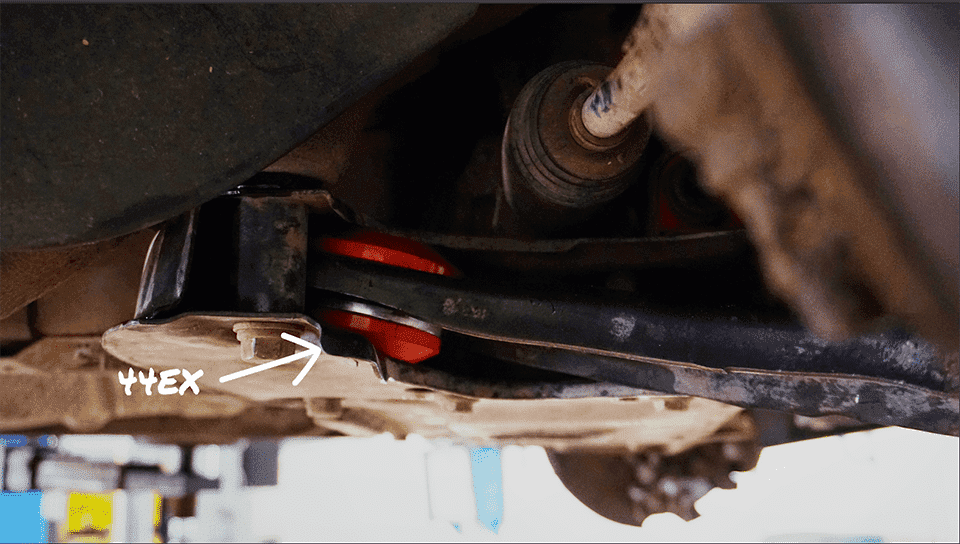
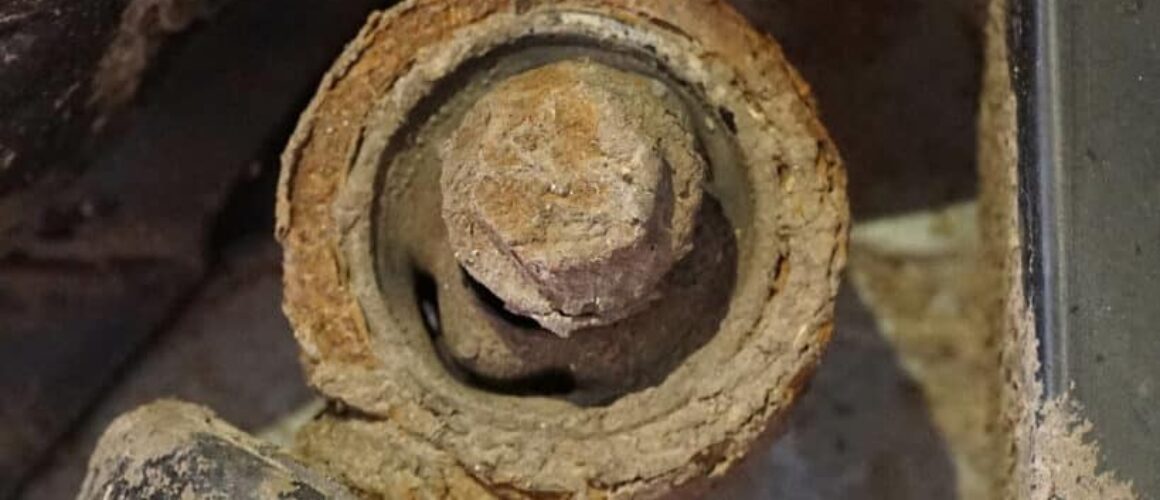
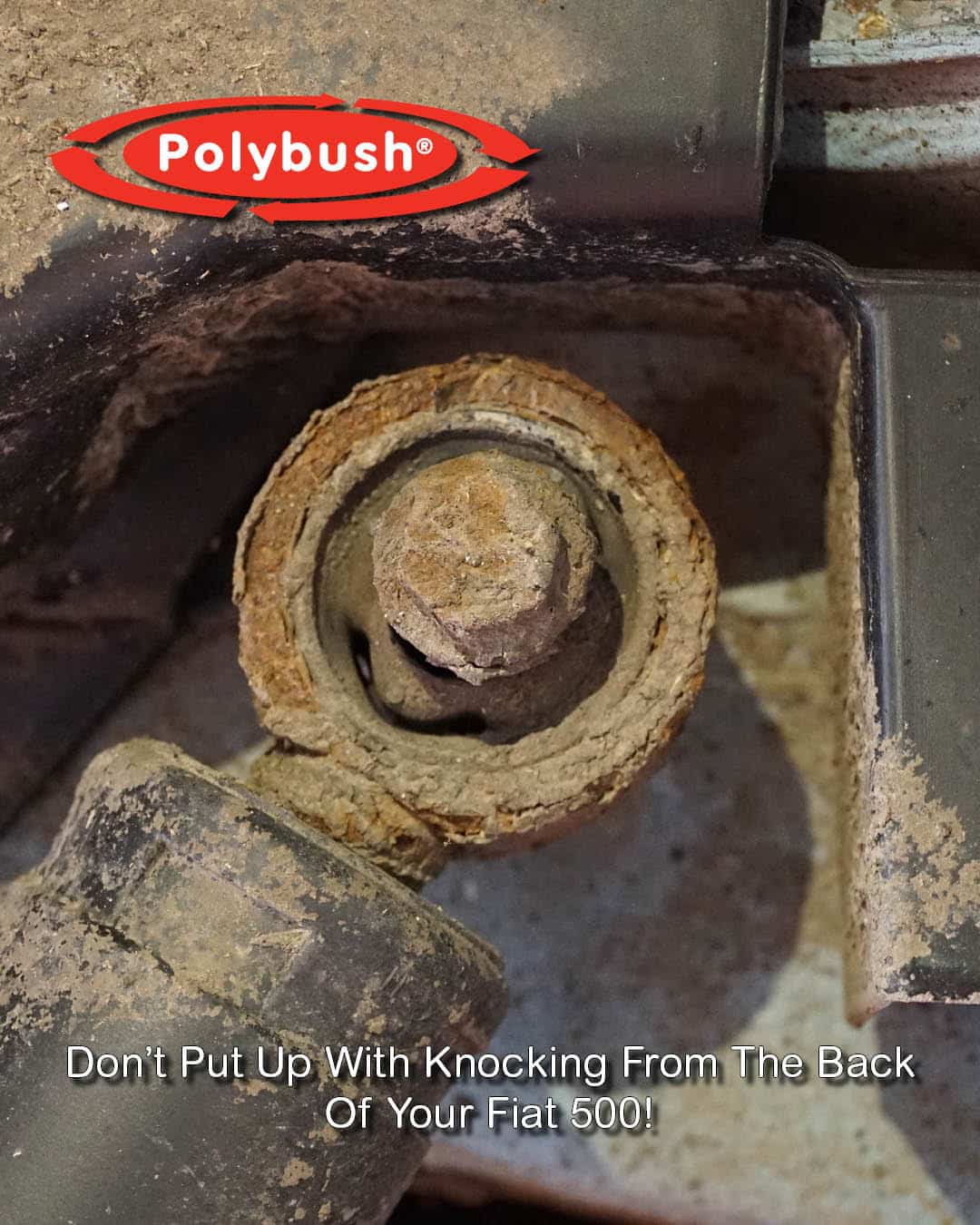
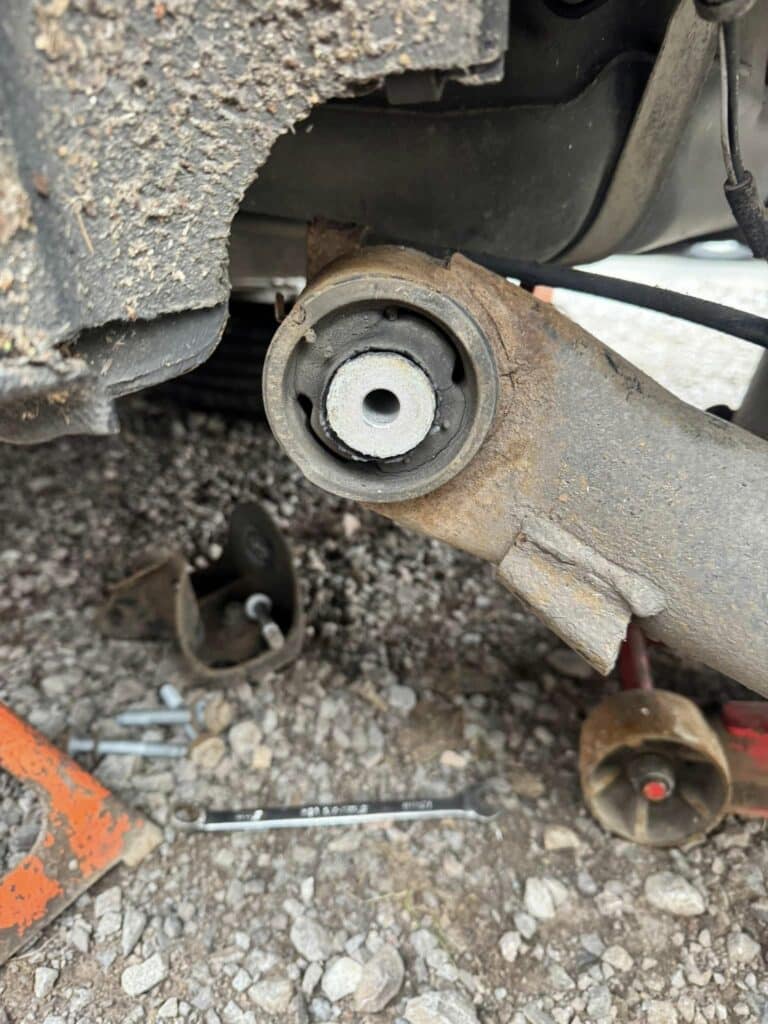
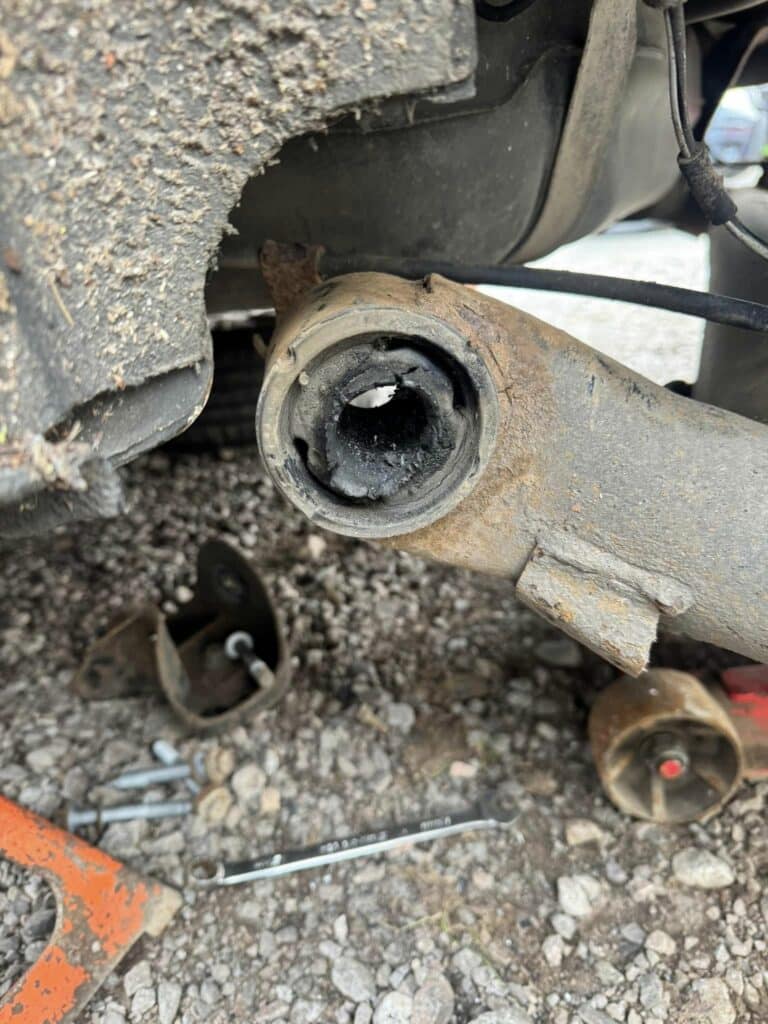
The rear axle bushes isolate vibration while controlling the movement of the rear suspension beam. Over time, the original rubber deteriorates due to age, repeated loading, exposure to oil and road contaminants, and thousands of heat cycles.
As the rubber softens or splits, you’ll often notice one or more of these symptoms:
- Knocking or clunking from the rear suspension over bumps
- A loose or wandering feeling from the back of the car
- Reduced stability at motorway speeds
- The rear of the car steps out more than it should on uneven roads
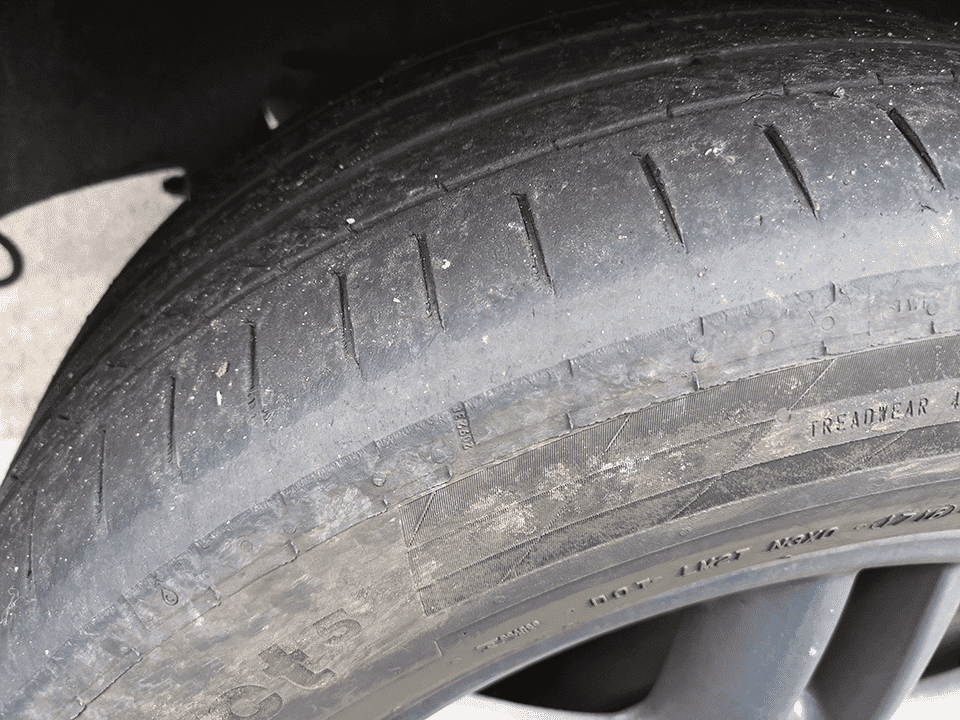
- Increased tyre wear
- Less confidence when cornering or braking
- Rear axle movement visible during an MOT inspection
Many owners initially suspect the shock absorbers, anti-roll bar or even loose items in the boot before discovering the rear axle bushes are actually the culprit.
Why Do Astra H Rear Axle Bushes Fail?
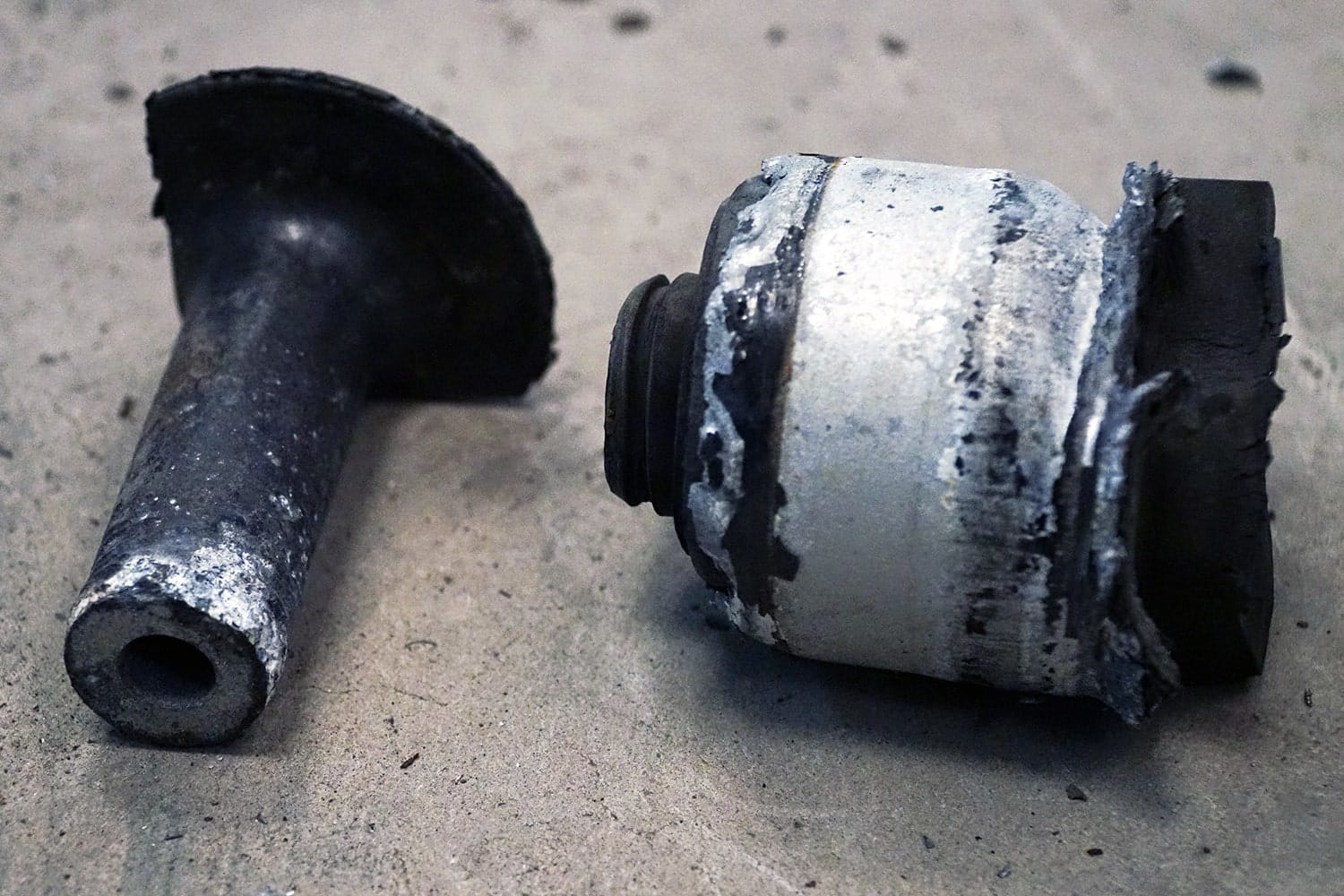
The original bushes fitted by Vauxhall and Opel are rubber components designed with comfort and production costs in mind. That’s perfectly acceptable when the car is new.
The problem is that rubber has a limited lifespan. As the years pass it:
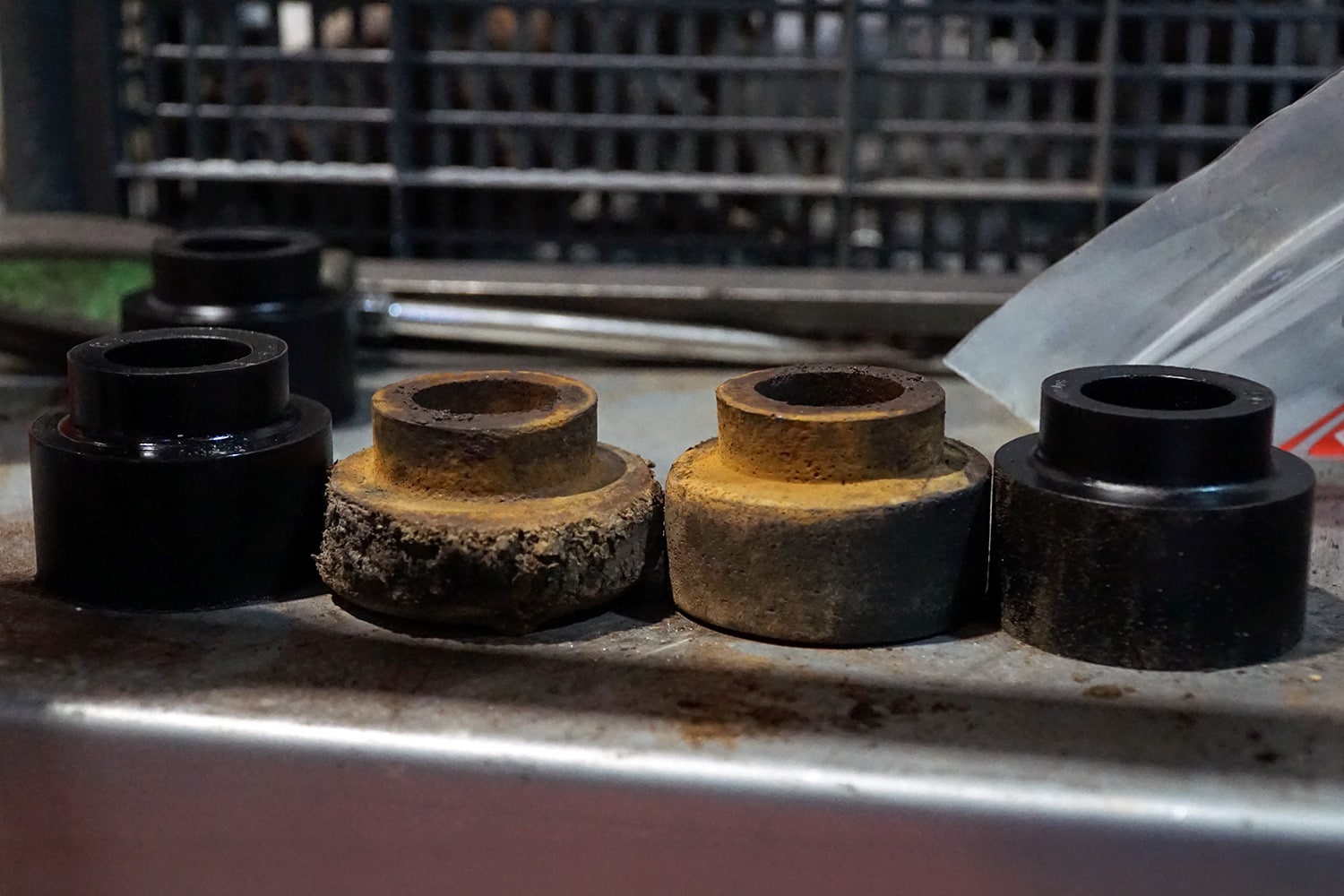
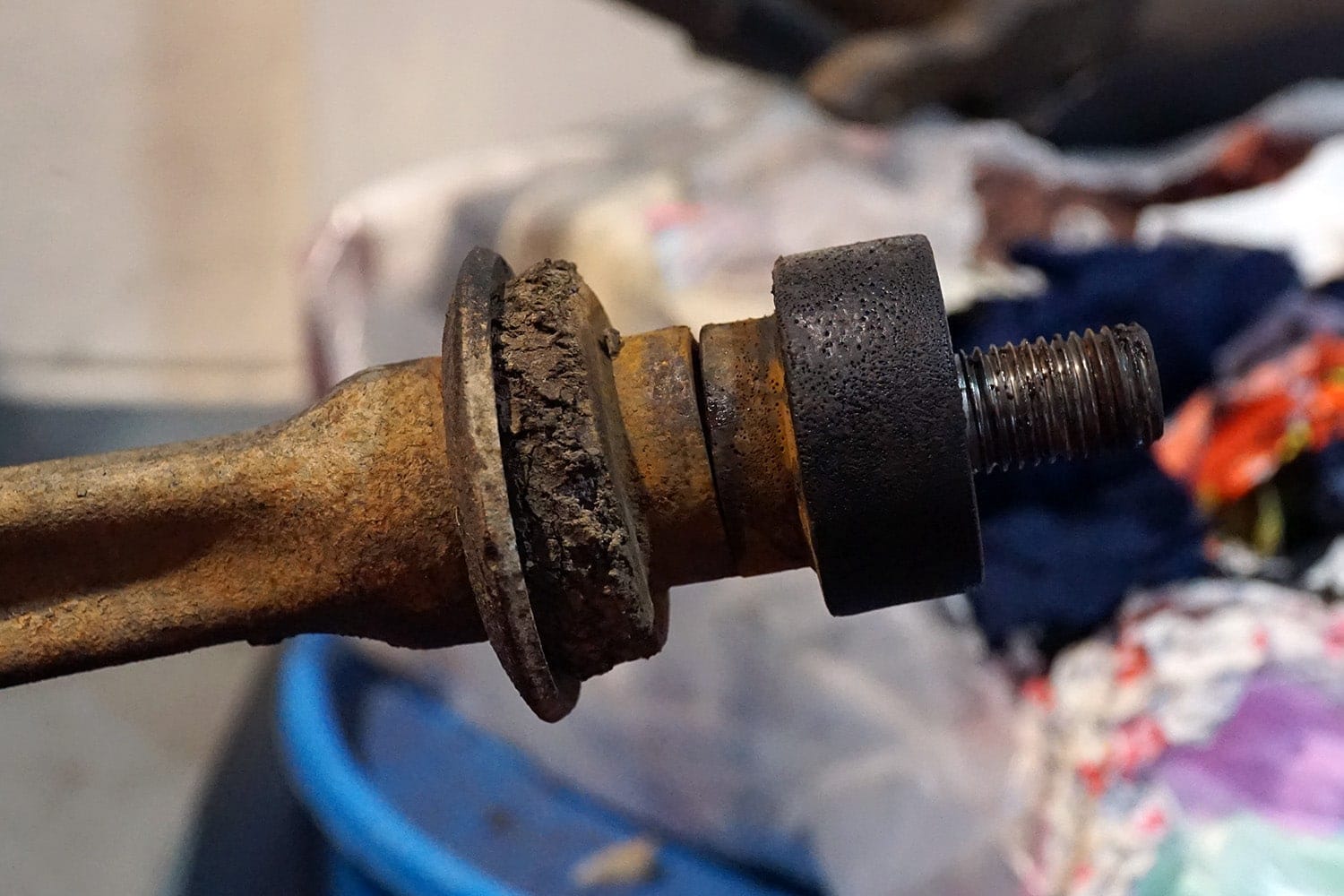
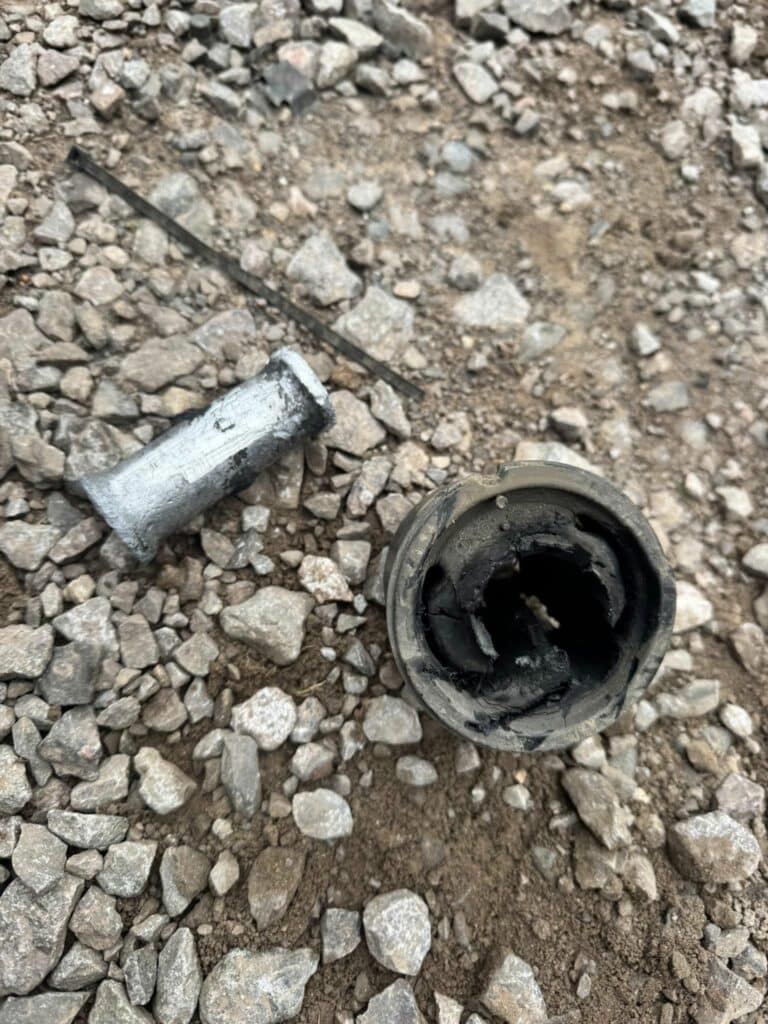
- Cracks and perishes
- Softens under repeated load
- Absorbs oil and contaminants
- Metal debonds
- Loses its ability to properly locate the rear axle
Considering many Astra H models are now over 15 years old, it’s no surprise these bushes are becoming one of the most common suspension repairs. The same applies to the Zafira B and Meriva B, which share the same rear axle bush design.
Should You Just Fit Another Rubber Bush?
This is where many owners unknowingly make the same mistake twice.
A quick search online will reveal countless inexpensive replacement bushes. They often seem like excellent value compared to premium alternatives.
The question worth asking is:
Do you really want to be doing the same job again in a few years?
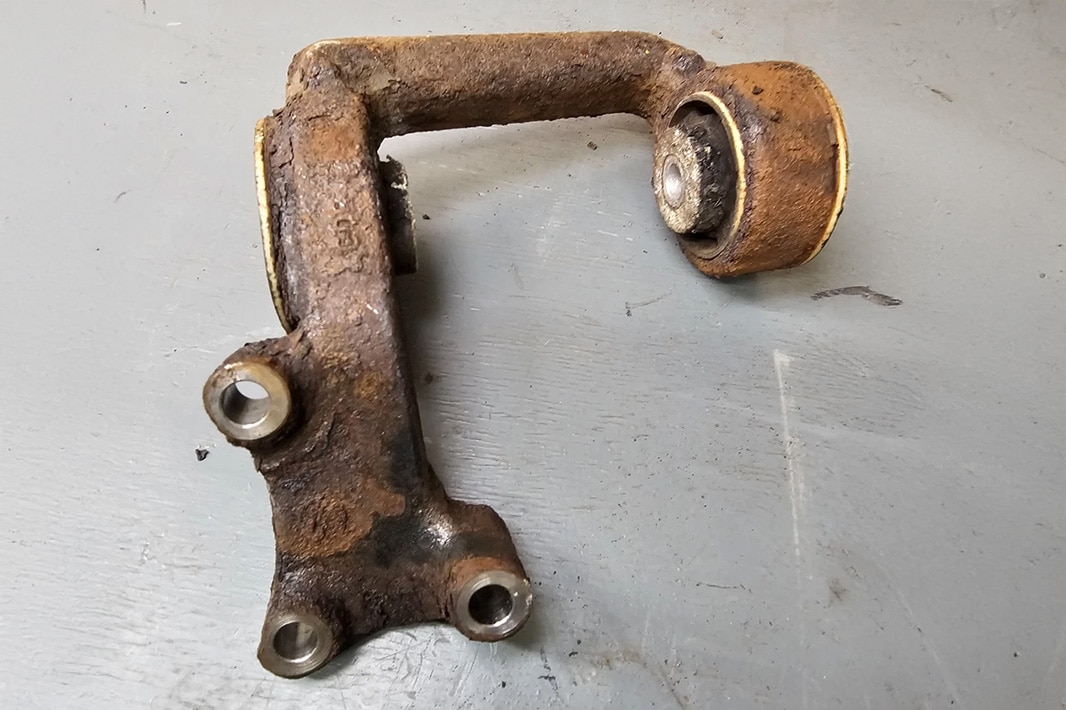
Replacing rear axle bushes isn’t the quickest suspension job. The old bushes usually need to be pressed out, corrosion can make removal difficult, and once everything is apart, you’ll want to fit the best replacement available.
A cheap rubber bush simply restarts the clock.
The Fit-and-Forget Alternative
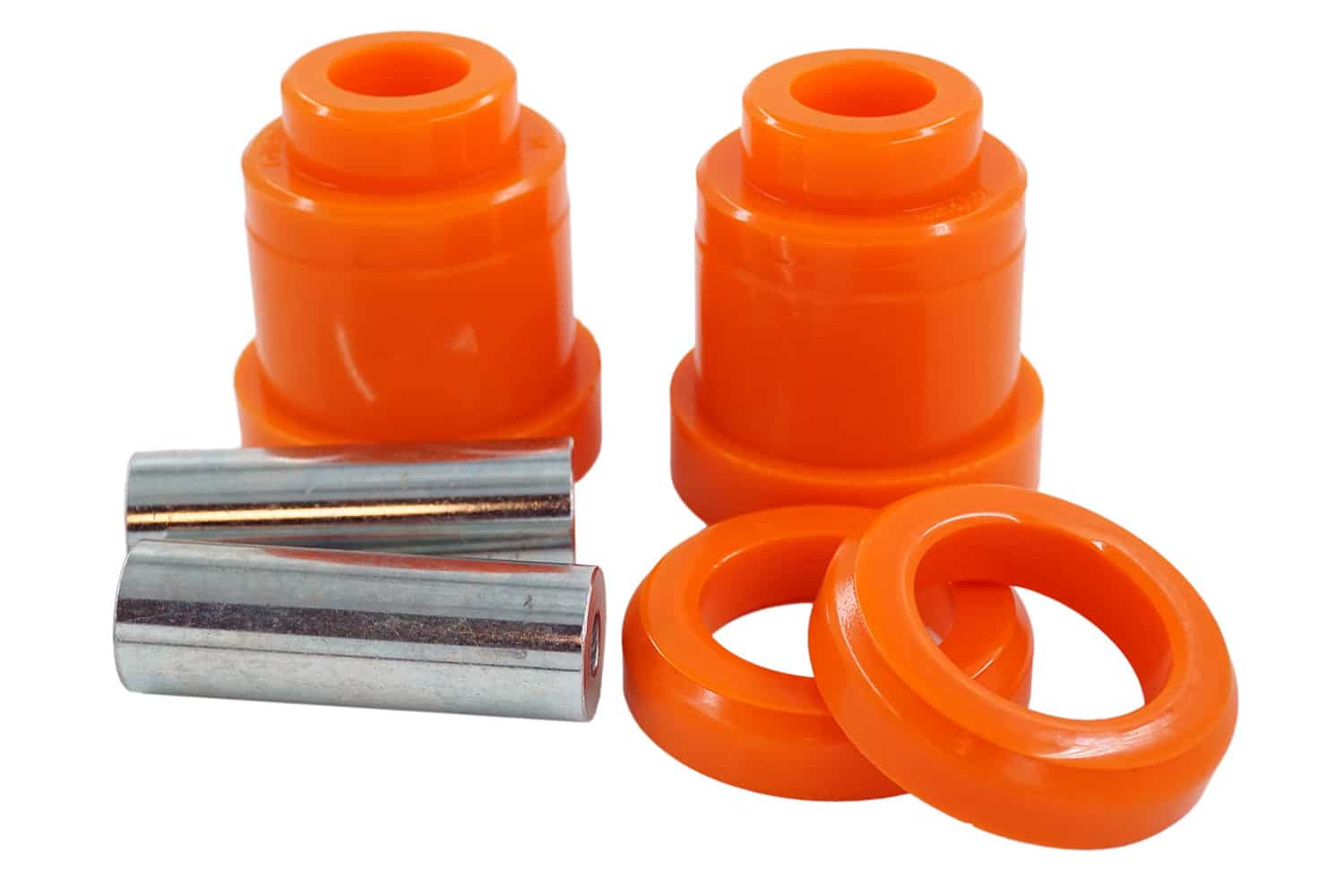
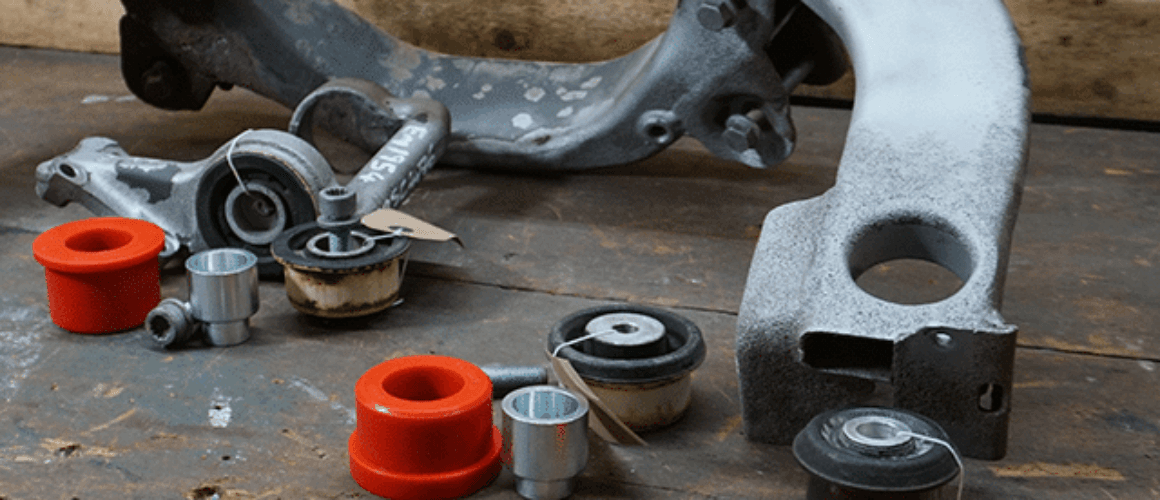
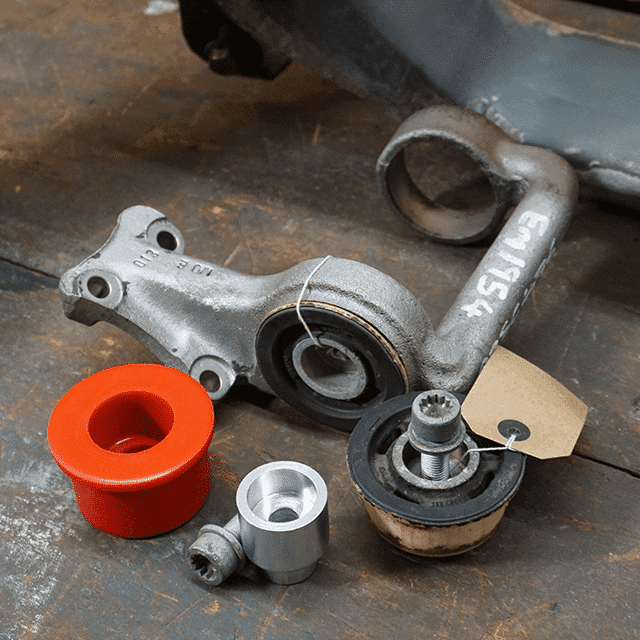
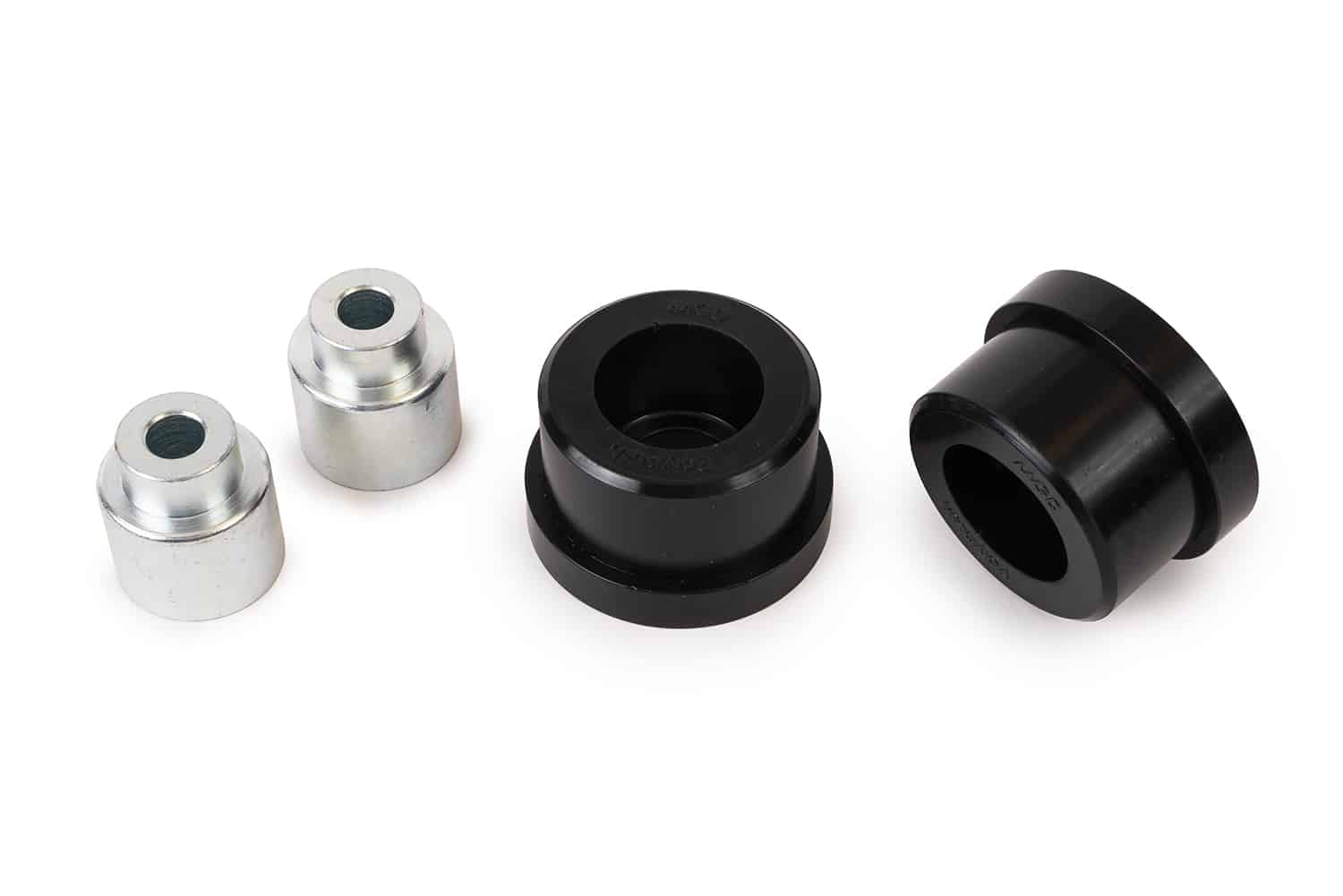
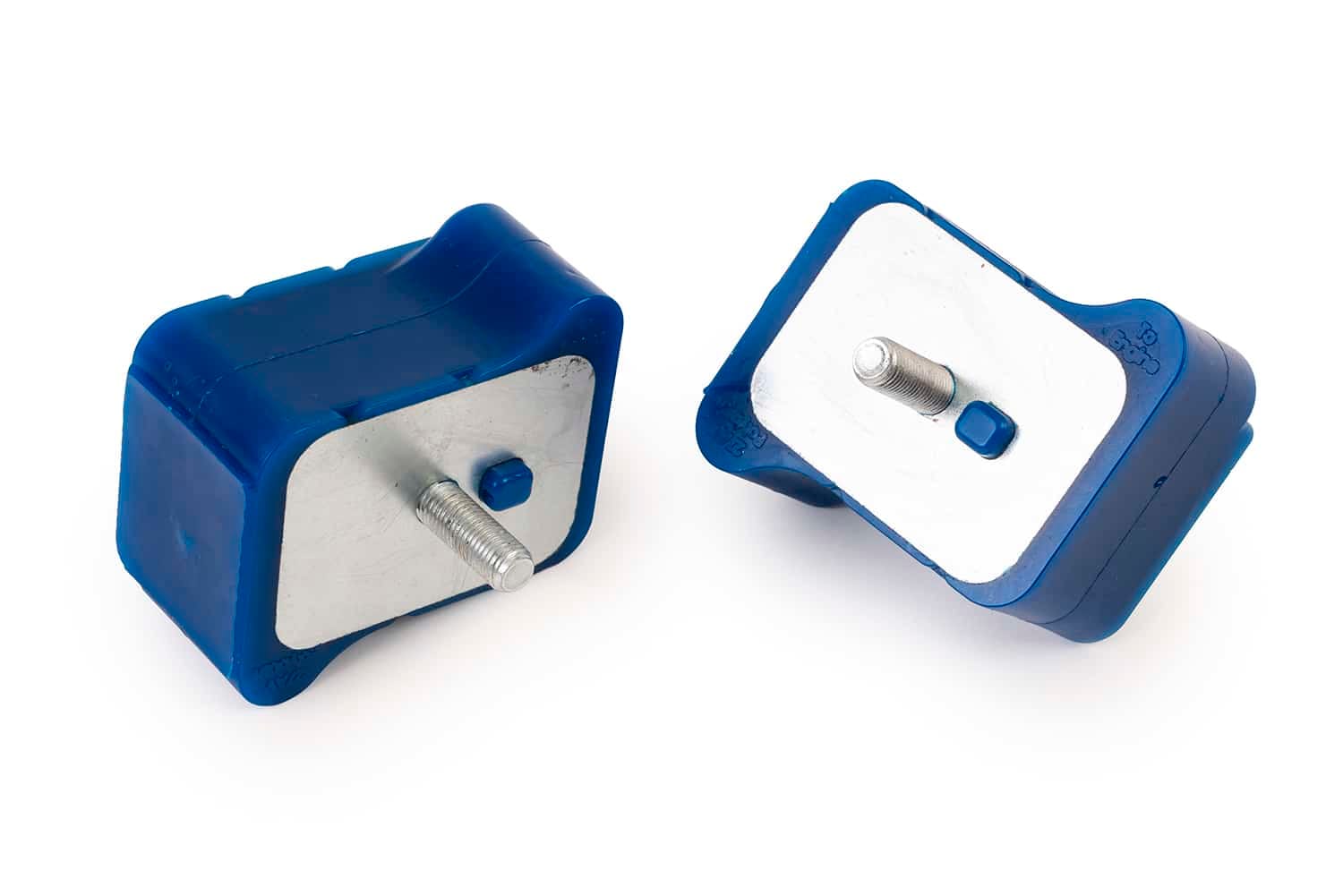
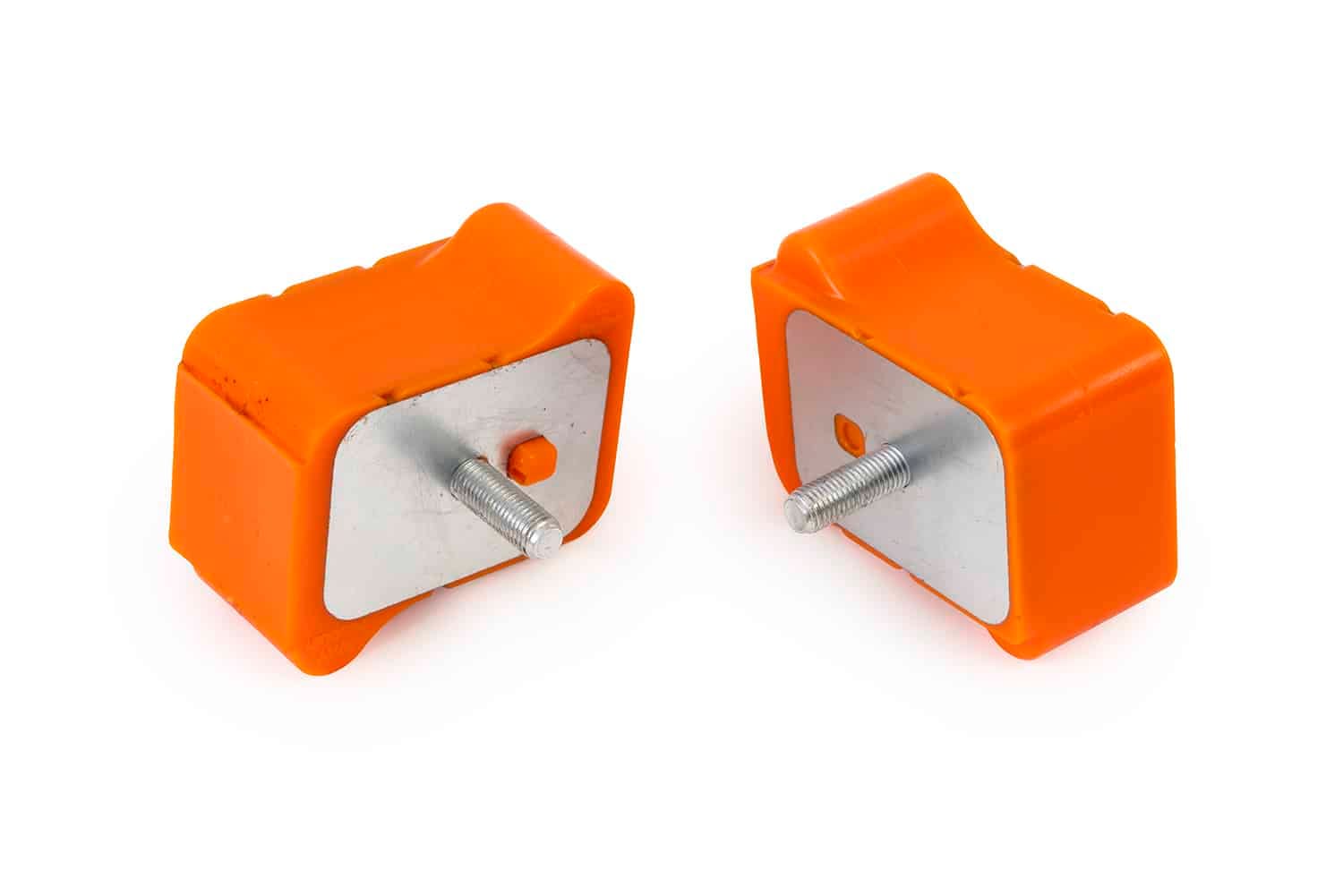
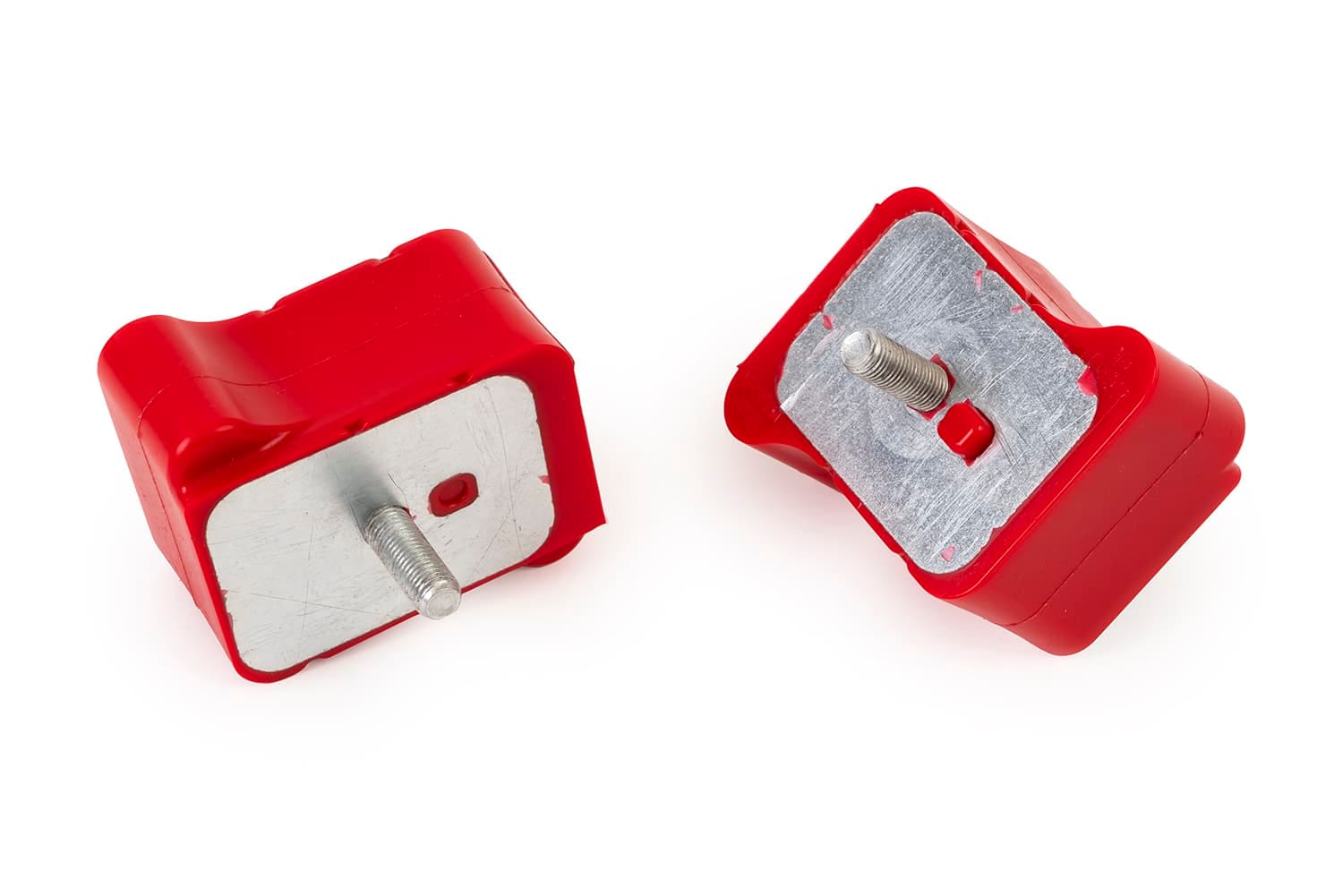
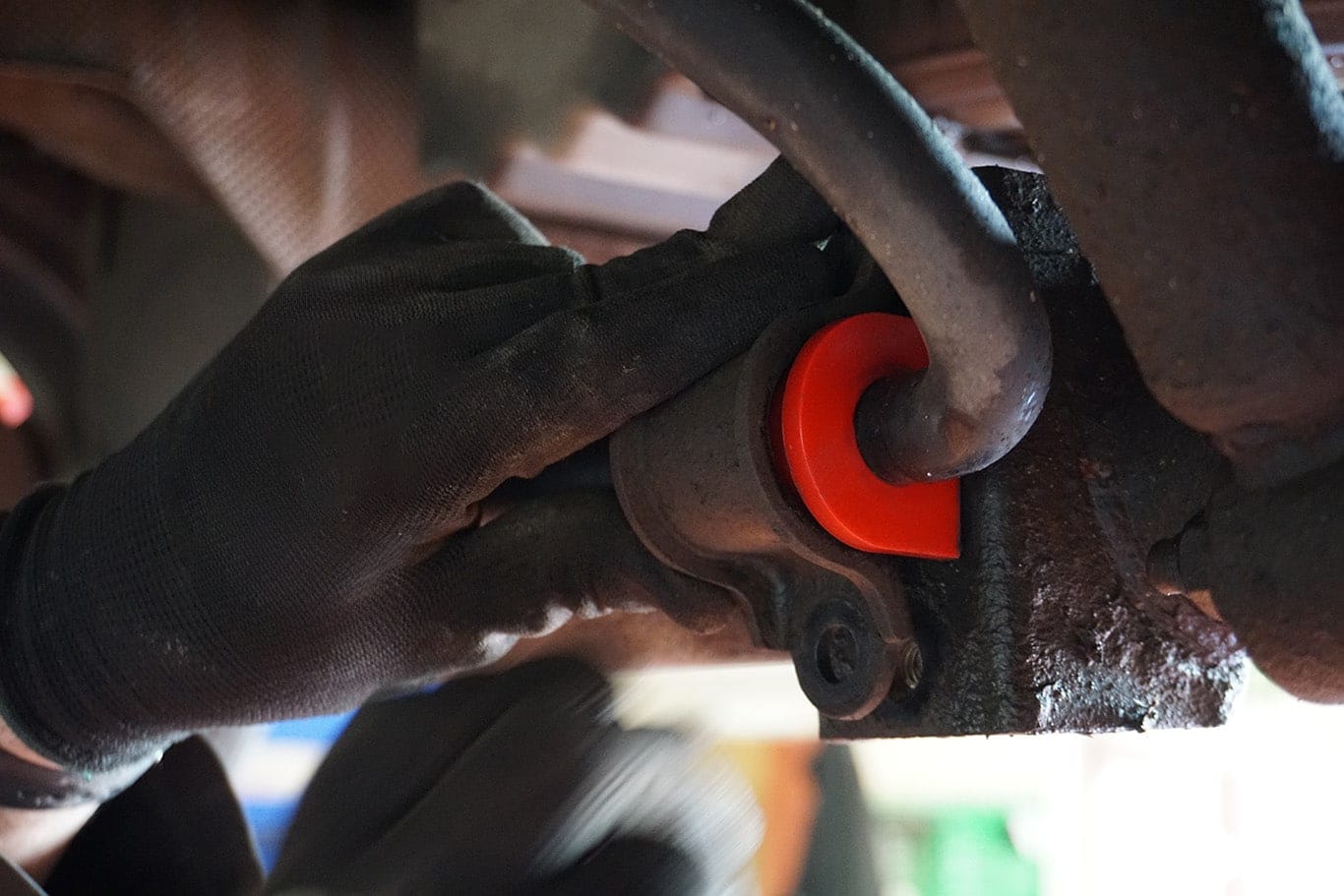
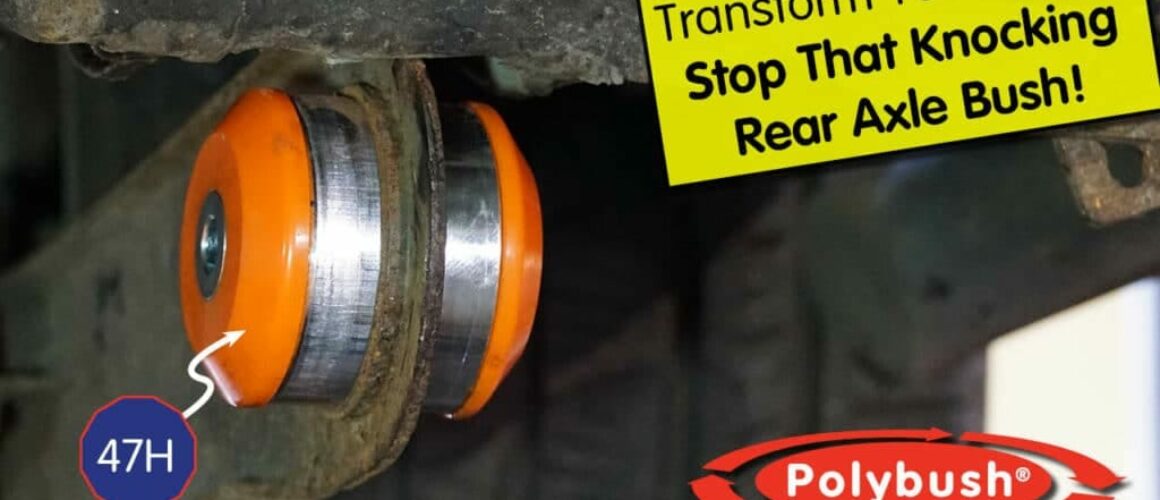
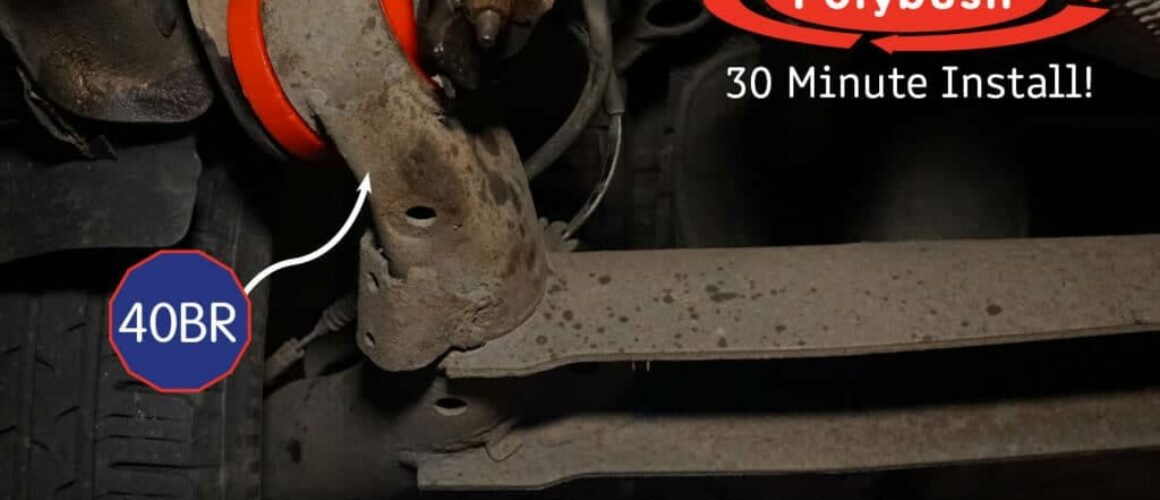
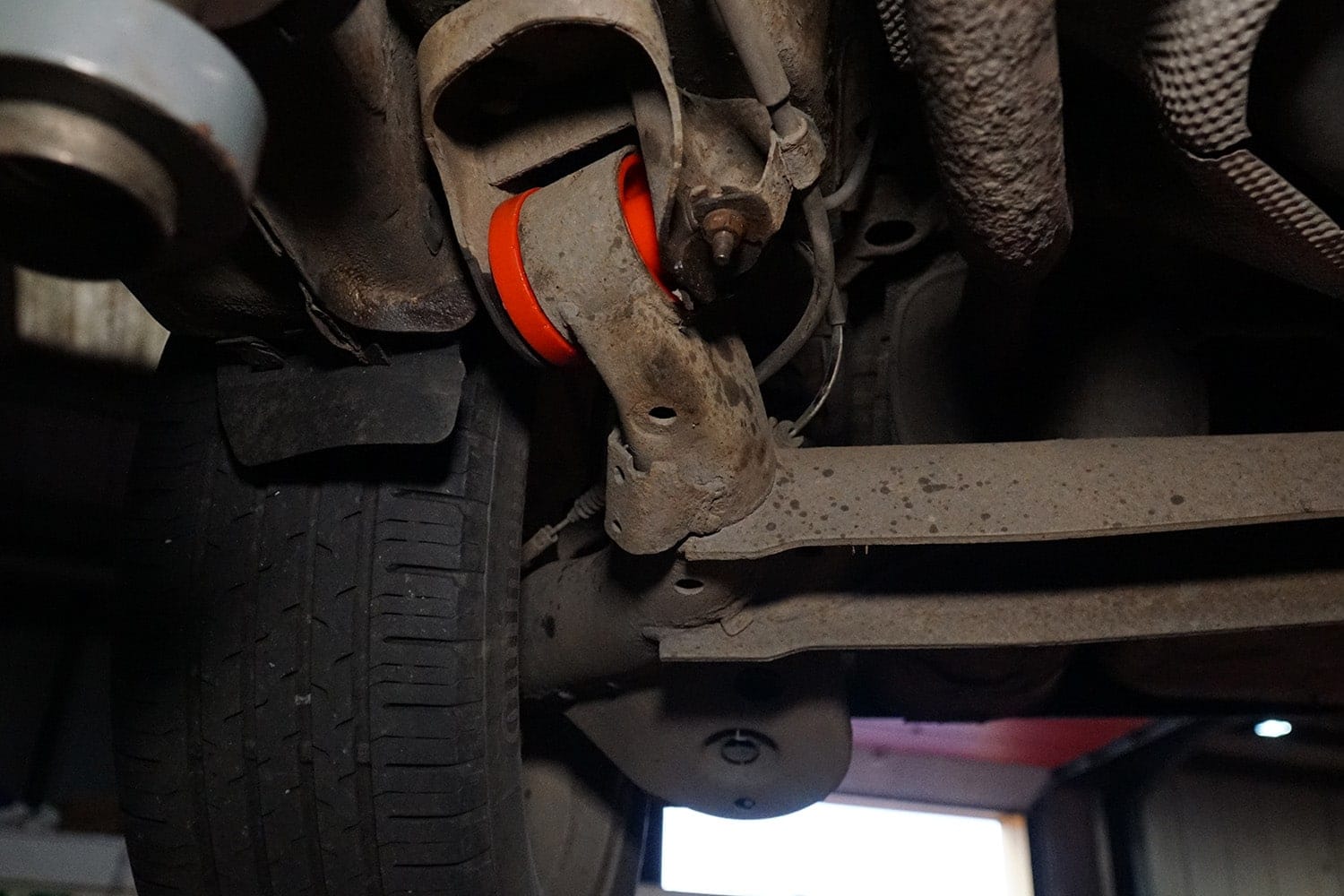
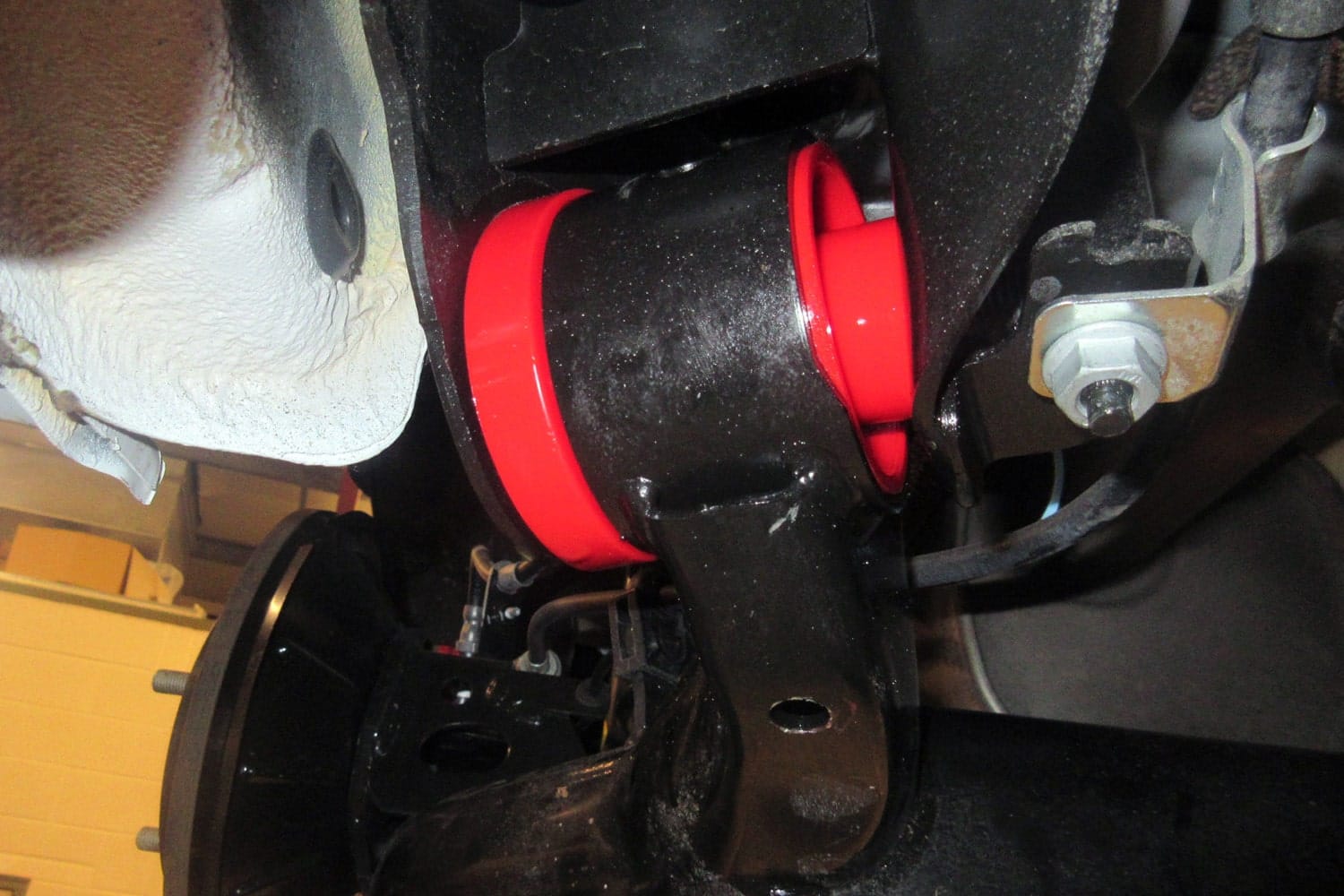
Polybush Rear Axle Bush Kit (Part No. 47L) replaces OEM part numbers:
- 402952
- 5402637
- 13267215
- 13110418
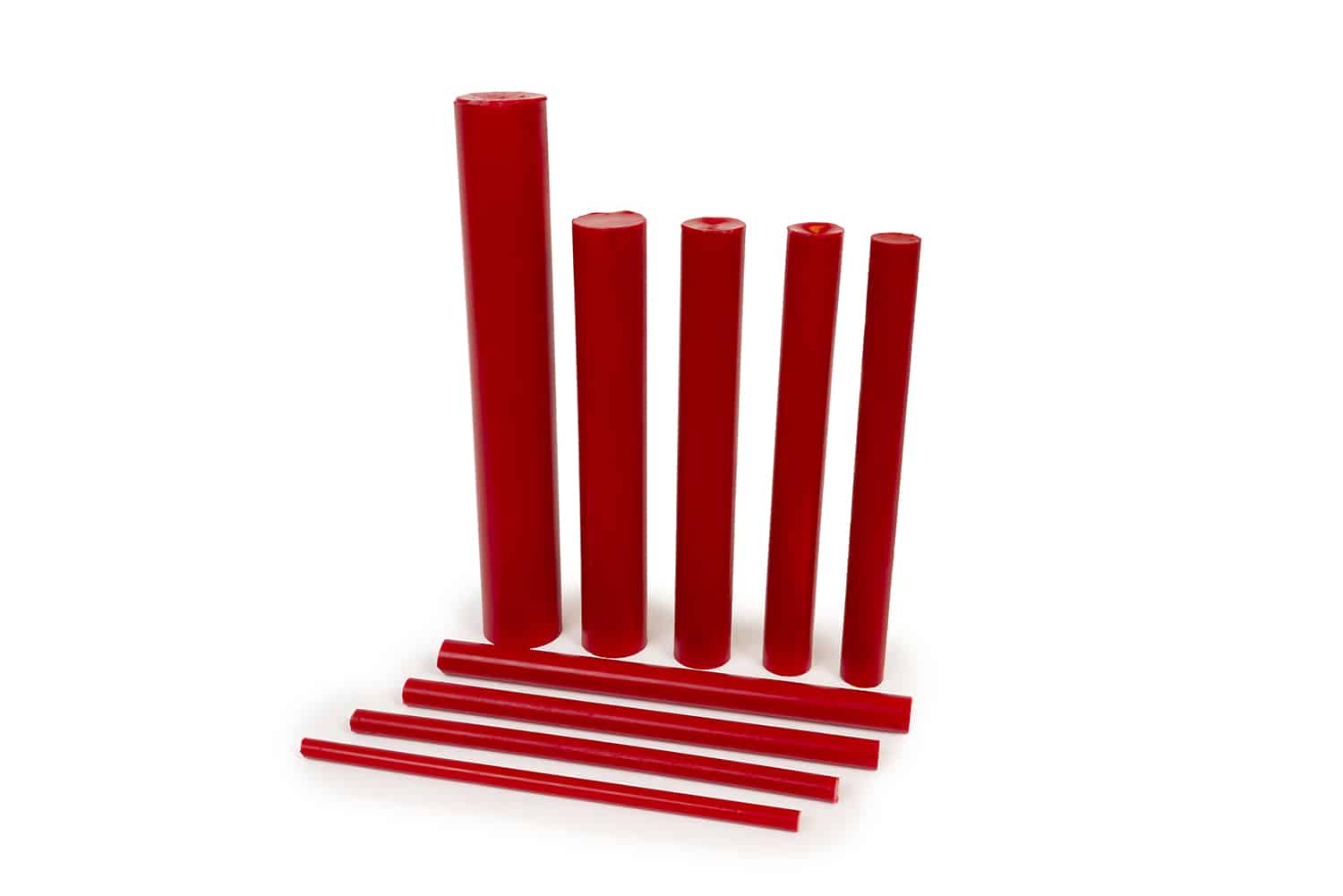
Instead of conventional rubber, our bushes are manufactured from our own specially formulated polyurethane.
This isn’t about making the suspension harsh or uncomfortable.
It’s about producing a bush that controls unwanted axle movement while maintaining the comfort expected from a daily-driven road car.
Why Polyurethane Makes Sense
Not all polyurethane bushes are created equal.
Some are overly hard, require grease during installation and have a reputation for squeaking; Polybush bushes are different.
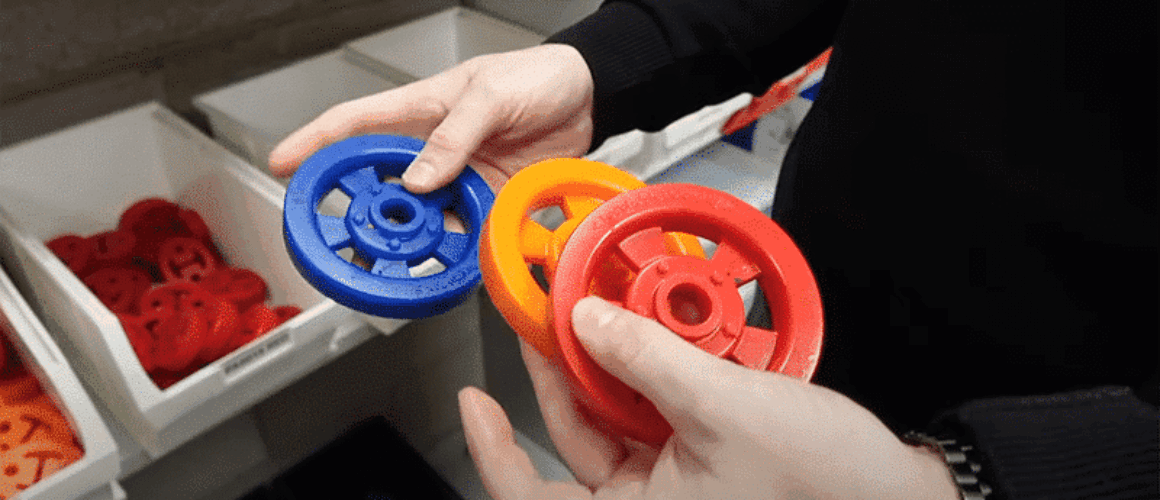
Our unique polyurethane formulation has been developed to provide:
- Excellent ride comfort
- Improved rear axle control
- Long service life
- Resistance to oil, fuel and road contamination
- Resistance to UV and weathering
- Dry-fit installation with no grease required
- Quiet operation
The result is a suspension bush that feels like a quality OE component—but lasts significantly longer.
Better Handling Without Sacrificing Comfort
One of the biggest misconceptions surrounding polyurethane suspension bushes is that they’re only suitable for performance cars – That simply isn’t true.
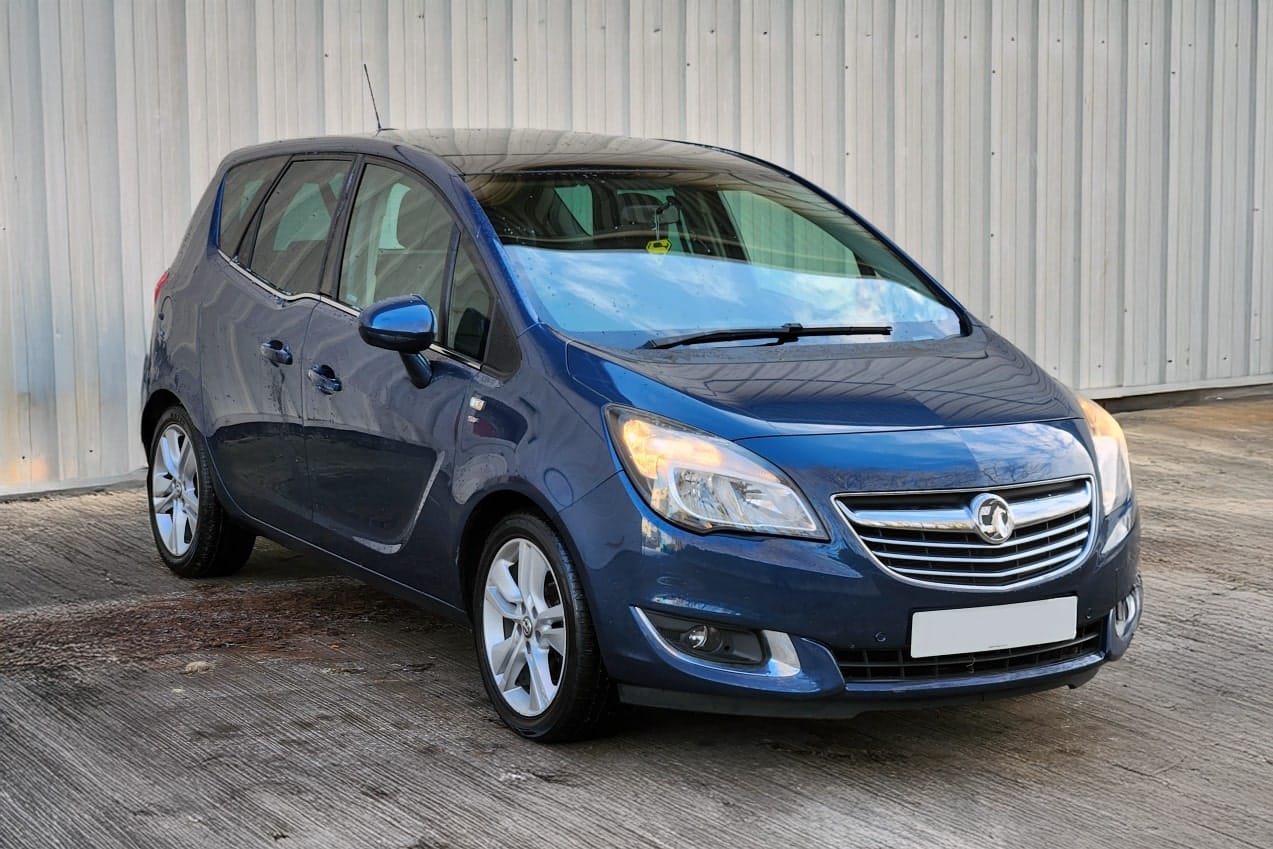
For most Astra H, Zafira B and Meriva B owners, the goal isn’t a track-day setup. It’s to make the car feel tight, predictable and comfortable again.
That’s exactly what Polybush was designed to achieve.
You’ll notice:
- More stable motorway driving
- Less rear-end movement over uneven roads
- More precise handling
- Improved braking stability
- Reduced unwanted suspension flex
Without introducing harshness into the cabin.
Why Buy Quality Once?
It’s tempting to choose the cheapest bush available online. After all, from a photograph, they all look remarkably similar.
What you don’t see is the quality of the material, the manufacturing tolerances or how they’ll perform after years of real-world use.
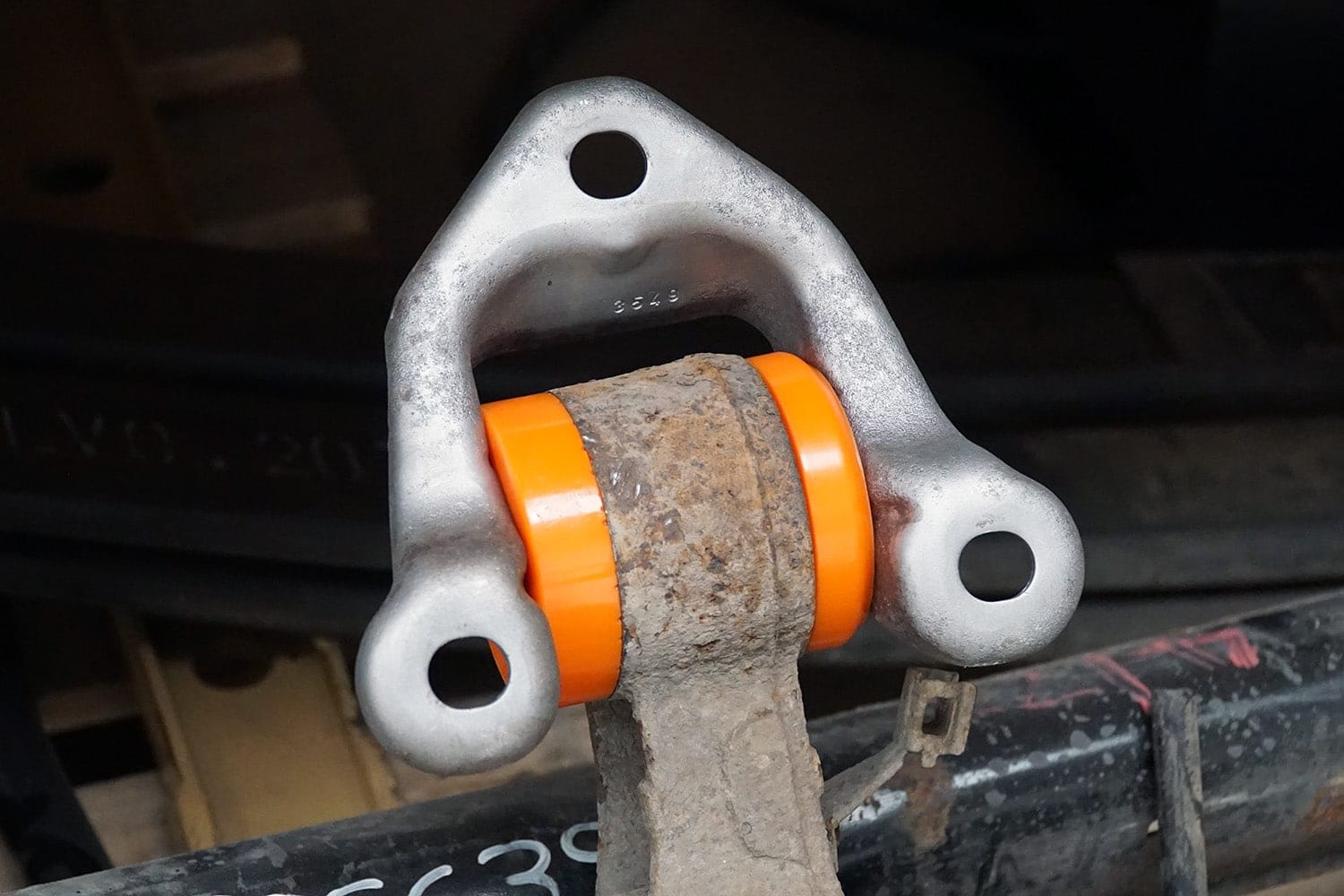
Polybush bushes are:
- Manufactured in the UK
- Produced to ISO 9001 quality standards
- Engineered specifically for long-term durability
- Trusted by enthusiasts, workshops and restorers around the world
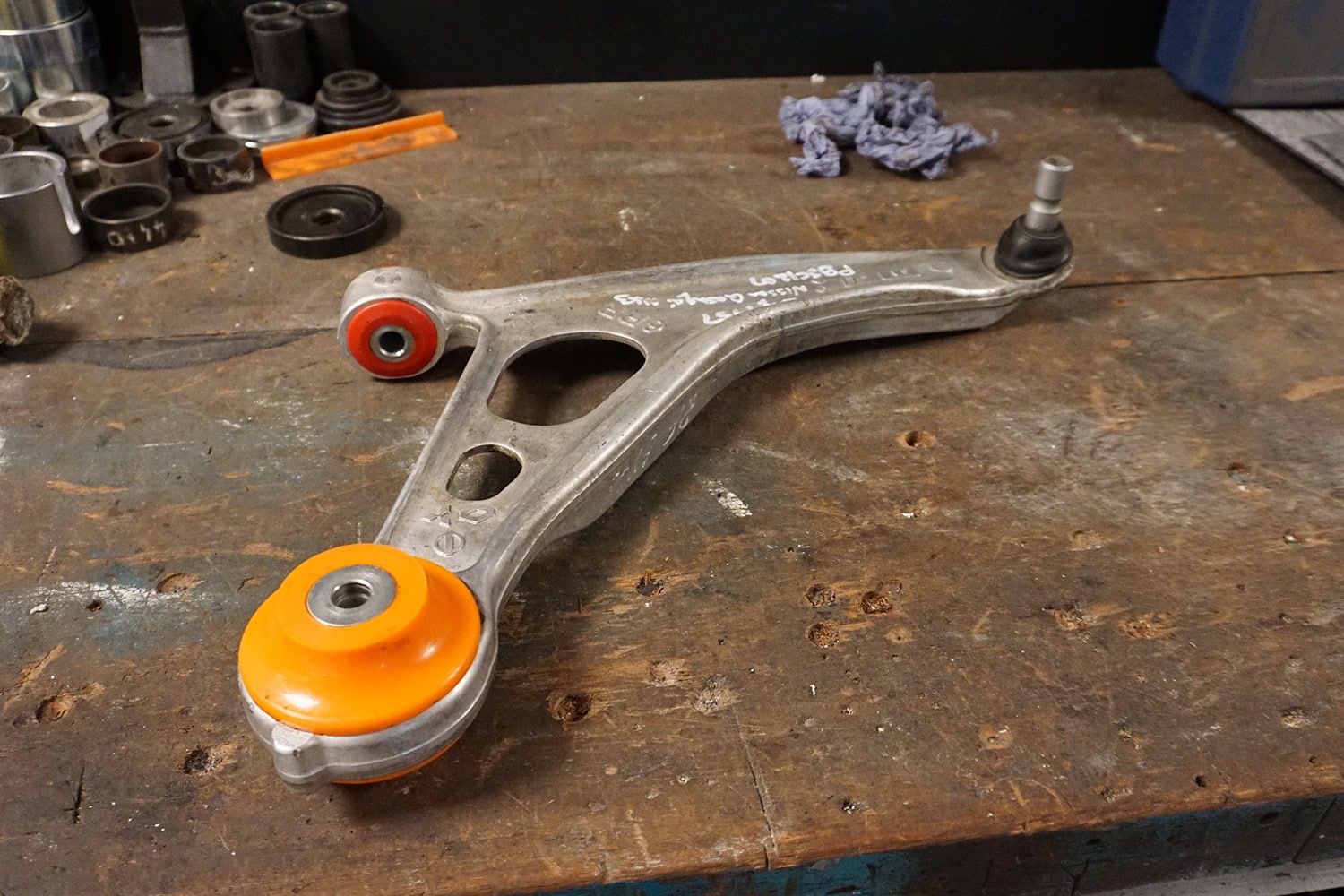
They’re designed as a genuine fit-and-forget solution. Instead of replacing worn rubber with more rubber, you’re upgrading one of the weakest parts of the rear suspension with a component that’s built to outlast the original.
Vehicle Compatibility
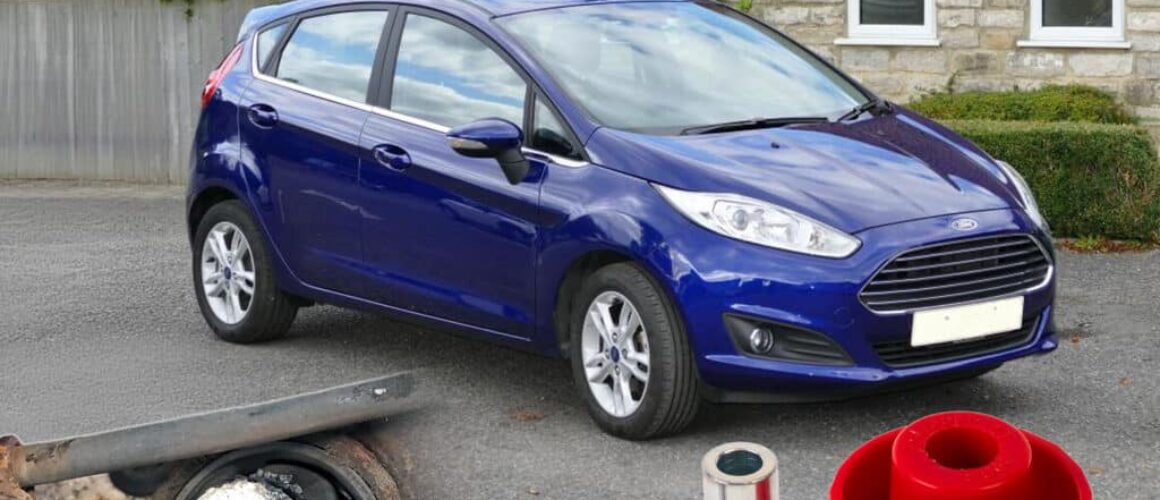
Polybush Part Number 47L fits:
- Vauxhall Astra Mk5 H (2004–2011)
- Opel Astra Mk5 H (2004–2011)
- Vauxhall Meriva Mk2 B (2010–2017)
- Opel Meriva Mk2 B (2010–2017)
- Vauxhall Zafira Mk2 B (2005–2014)
- Opel Zafira Mk2 B (2005–2014)
Direct replacement for OEM part numbers:
- 402952
- 5402637
- 13267215
- 13110418
The Bottom Line
If your Astra H, Zafira B or Meriva B has developed a rear suspension knock, feels unstable or simply doesn’t drive as well as it once did, don’t overlook the rear axle bushes.
They’re one of the most common wear items on these vehicles, and replacing them transforms how the car feels.
You could fit another rubber bush and hope for the best – Or you could fit a Polybush once, restore the handling, retain the comfort and know you’re unlikely to be replacing them again anytime soon.