9 July 2026

Speak to one of our experts.

14 July 2026
Share:


General
The rear differential mounting bushes on many popular VAG performance and four-wheel-drive models are now reaching an age where failure is becoming increasingly common. Vehicles such as the Volkswagen Golf Mk4 R32, Golf Mk4 4Motion, Audi S3 8L Quattro, Audi TT Mk1 Quattro, SEAT Leon Cupra 4 and Škoda Octavia Mk1 4×4 are all well-loved by enthusiasts, but after 20+ years on the road, the original rubber bushes can become worn, cracked and unable to properly control drivetrain movement.
When owners begin restoring these cars, replacing tired suspension components or upgrading the rear subframe bushes, the rear differential mounts are often the next logical step. With the differential already removed, replacing the mounting bushes prevents having to revisit the same job later and helps restore the tighter, more responsive feel these cars were known for when new.
The rear differential mounting bushes secure the differential assembly to the vehicle’s rear subframe while allowing a controlled amount of movement. The original rubber bushes are designed to absorb vibration and keep noise levels low, but over time, they naturally deteriorate.
As the rubber ages, it can become:
When this happens, the differential can move more than it should under acceleration, gear changes and load changes. This can lead to a less precise driving experience and a noticeable increase in drivetrain movement.
Worn rear differential bushes can cause several symptoms, including:
On higher-mileage examples of these cars, these symptoms are often mistaken for gearbox, driveshaft or differential problems, when the cause can simply be worn mounting bushes.
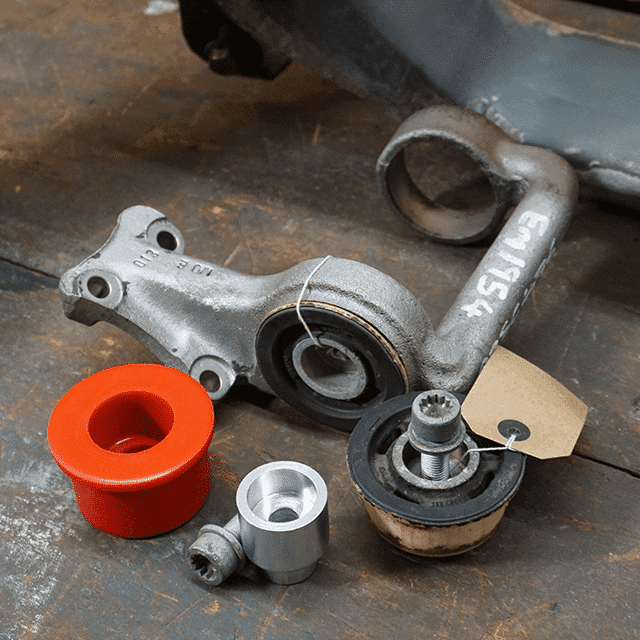
The Polybush 44GD Rear Differential Mounting Bush is designed as a direct replacement for the original rubber bushes and fits a range of VAG quattro and 4Motion models:
Our set includes:
OEM references:
Unlike traditional rubber bushes, Polybush polyurethane bushes are designed to maintain their properties for much longer. They are resistant to oil, road grime, UV exposure and the ageing process that causes standard rubber bushes to deteriorate.
The benefits include:
Polyurethane is firmer than standard rubber, reducing unnecessary differential movement under acceleration. This allows the drivetrain to respond more directly and helps the vehicle put power down more effectively.
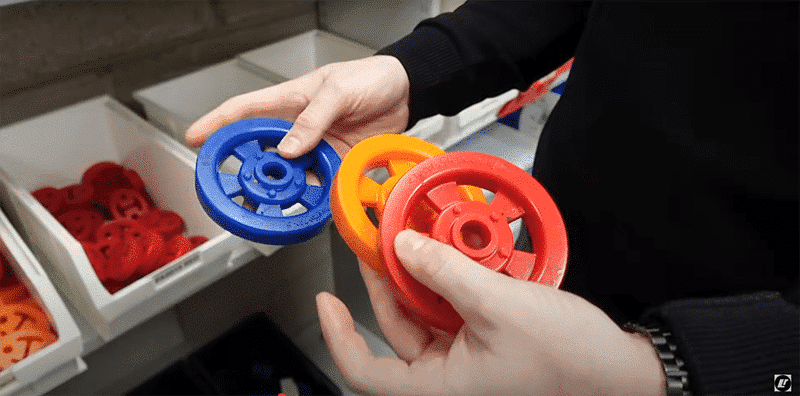
For road-driven cars, the Dynamic Black material provides an ideal balance between improved control and everyday comfort. It is a great choice for restored vehicles, fast-road builds and cars that still see regular use.
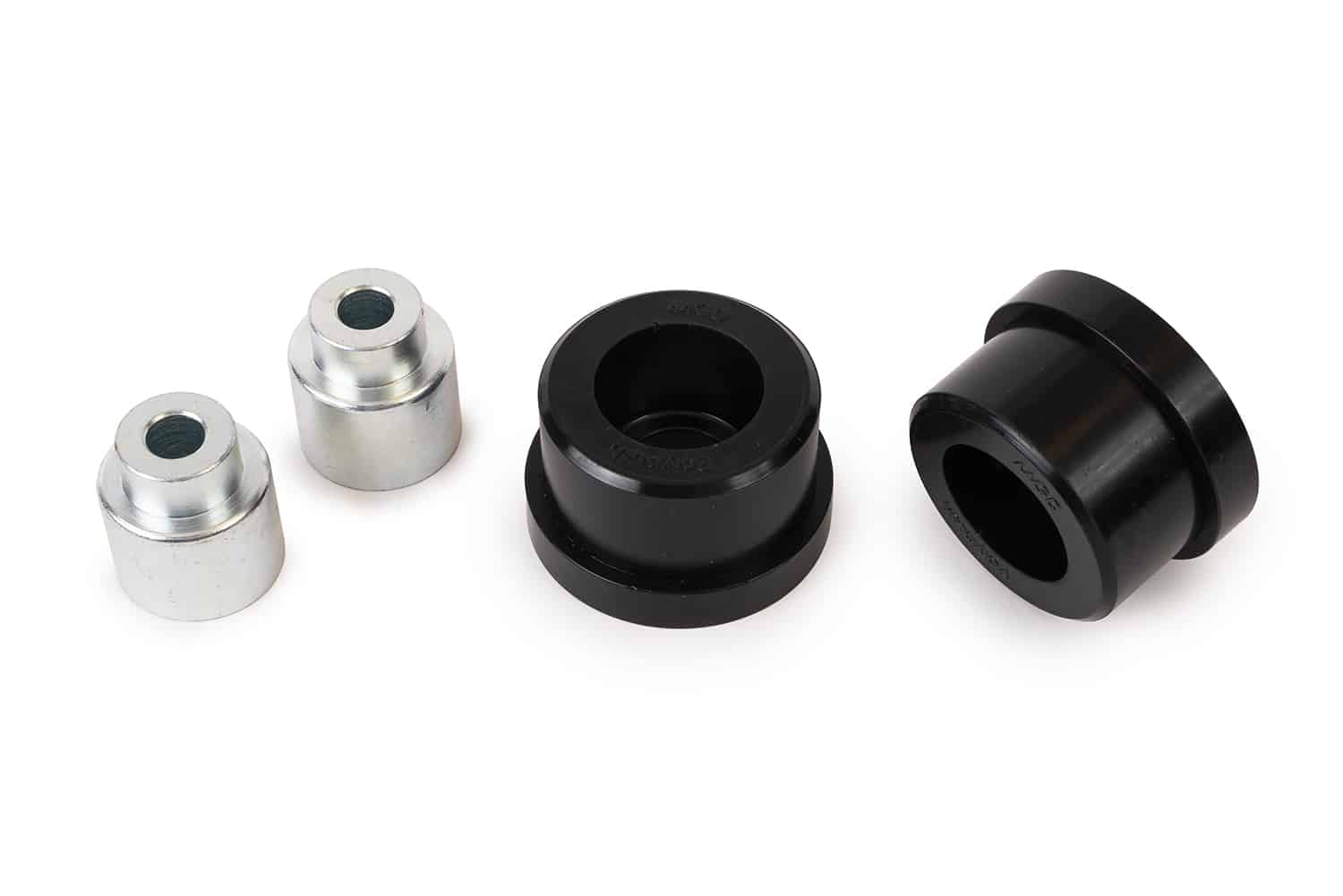
For modified cars and higher-powered builds, the Performance Red version offers increased stiffness for drivers seeking maximum drivetrain control.
Polyurethane bushes are built to last significantly longer than the original rubber components, making them a worthwhile upgrade when refreshing an older performance vehicle.
Many owners of Mk4 R32s, Audi S3s and TT Quattros are now undertaking major refresh projects, including powder-coating rear subframes, replacing suspension bushes and restoring components that have suffered from years of use.
Because the rear differential needs to be removed to access the mounting bushes, it makes sense to replace them at the same time. Doing the job properly once saves time, labour and frustration later.
A fresh set of differential bushes can transform how the car feels, bringing back the tighter, more connected driving experience these cars are famous for.
Manufactured in the UK using Polybush’s unique polyurethane compound, the 44GD Rear Differential Mounting Bush Kit provides a durable, direct replacement solution for ageing VAG quattro and 4Motion vehicles.
Whether you are restoring a Volkswagen Golf Mk4 R32, maintaining an Audi S3 8L Quattro, or preparing a modified TT Mk1 Quattro, upgrading the differential bushes is a simple way to improve drivetrain control and reliability.
Find out more about the Polybush 44GD Rear Differential Mounting Bush Kit:
https://www.polybush.co.uk/product/44gd/