


Suspension Bushes – Car, Van Commercial Vehicle or Bus
Find parts that match your vehicle.
Polybush Achieves ISO9001 Accreditation.
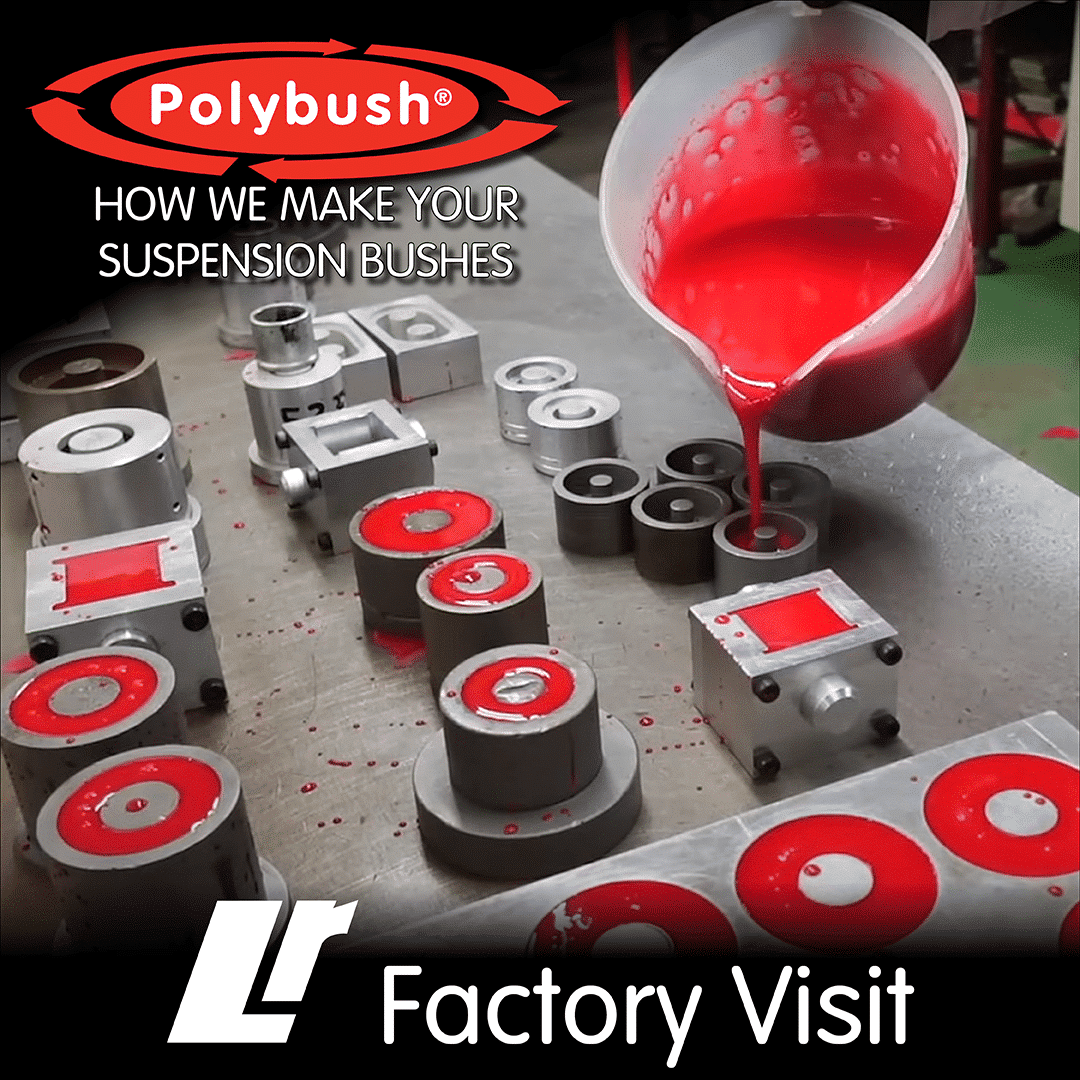
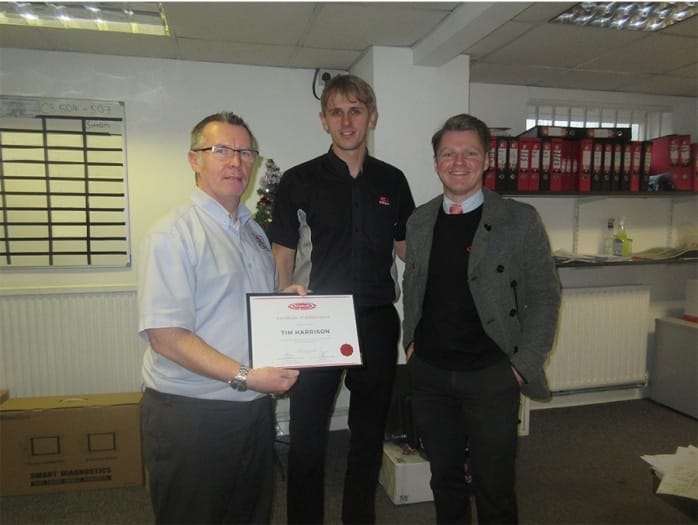
At Polybush, we always pride ourselves on the precision and care that goes into manufacturing our polyurethane suspension bushes. Achieving ISO9001 accreditation validates these efforts, proving that we operate to the highest quality management standards. From the design and production process to customer service and internal operations, this certification highlights our dedication to continual improvement and efficiency.


Mark Burgess

Mr. O’Neill
Parts are quality items, competitively priced.
Jeff Fielding
I have a Mk2 Golf and i’ve used this product on almost every part of the car It’s a quality item at a great price
Stephen Coy
Prompt & Efficient Service.
Julian Annells
Easy to find what I wanted. Fast Dispatch!
31BD – Steering is tighter but no increase in noise or vibration at all. Very happy.
I ordered a set of bushes for the lower front (banana) arms on my Jaguar XF. Very straightforward to fit. Could feel the difference immediately compared to the worn OEM bushes. Steering is tighter but no increase in noise or vibration at all. Very happy.
A great company !
A great company, having watched a video by LR Parts, I realised Polybush were based on North Wales and only a 10 min drive from me. I found Ellis to be really helpful, offering really helpful advice. They now do a click and collect service, which I find very useful. I will be back for more bushes.
Mr Michael James
I went on the website, found the items I wanted and completed the order by 11.30 am, It arrived by 13.30 the next day awesome service! I will definitely be using you again!!
Peter Crisp
Great Product & Service.
Peter Marsden
The product arrived quickly and most importantly fixed my issue. The rattle from the rear springs has disappeared. I am so happy as it was very annoying!
Robert Jones
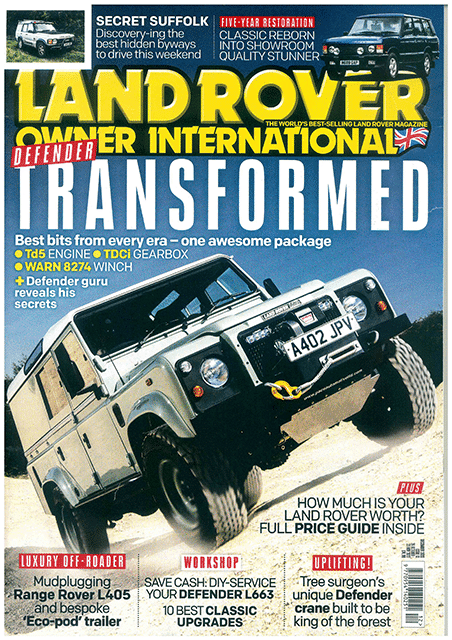
Great to deal with and Polybushes have made the world of difference in comfort to my Defender
Paul Pardington
This is the second lot I’ve put on my car, which has now done over 200k. They’re much better than standard bushes.
Rust & oil
1st time I’ve bought directly from Polybush….. Impressed
Mark Southgate
Great product I have used them a lot and always fast despatch
Justin Muers
Due to a mail strike the product arrived later than I wanted it to, BUT, that is not the fault of Polybush. I love the product and look forward to my next opportunity to install their bushes in my vehicles.
Ryan Dunn
Always been happy with Polybush. Never disappointed.
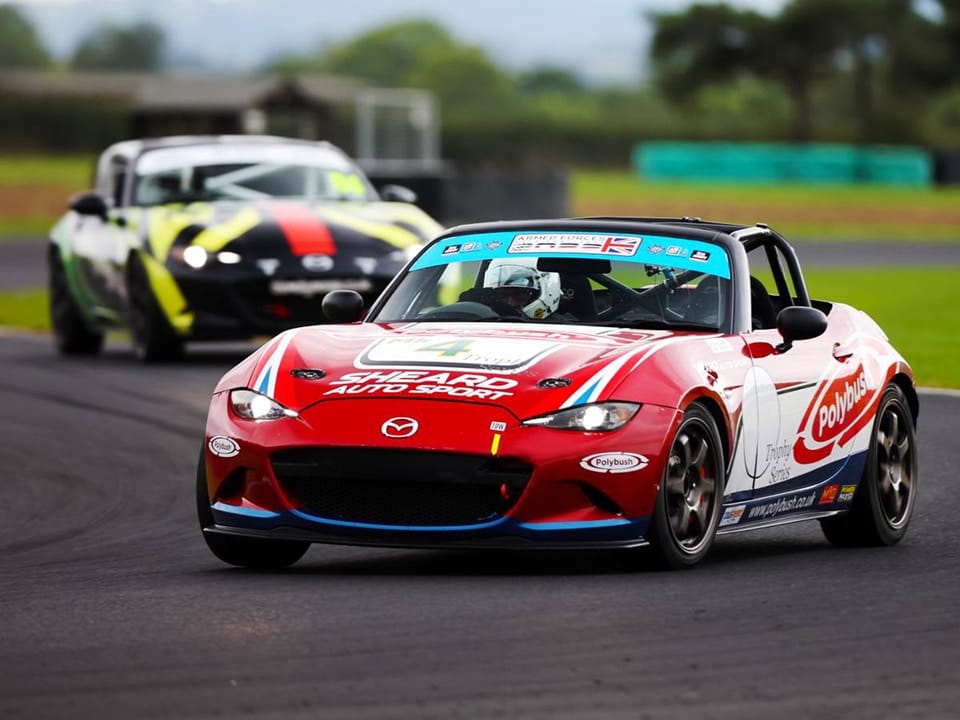
Changed to another brand once that was allegedly better. Load of nonsense. Didn’t last a year on the racecar. Back on Polybush, 2yrs passed and haven’t looked back
Nathan Gibson
Great product, good customer service. Used on my fiesta time attack car with no issues. Very happy with them
Graham C
All bushes on my Land Rover Defender (1995) have now been replaced with Poybushes. The effect is a noticable drop in road noise being transferred to the cab. The handling and ride is now smoother. When they need replacing many years hence, that will be a lot easier than getting the old standard bushes out!
Richard Neath
Full set of bushes fitted to my VW transporter. I can honestly say that the difference is utterly incredible. The pot-holed roads up here on Skye suddenly seem far less dreadful! The decrease in body-roll is really noticeable also.
Great service and so approachable. Polybush – a massive thank you.
Tony Manyvong
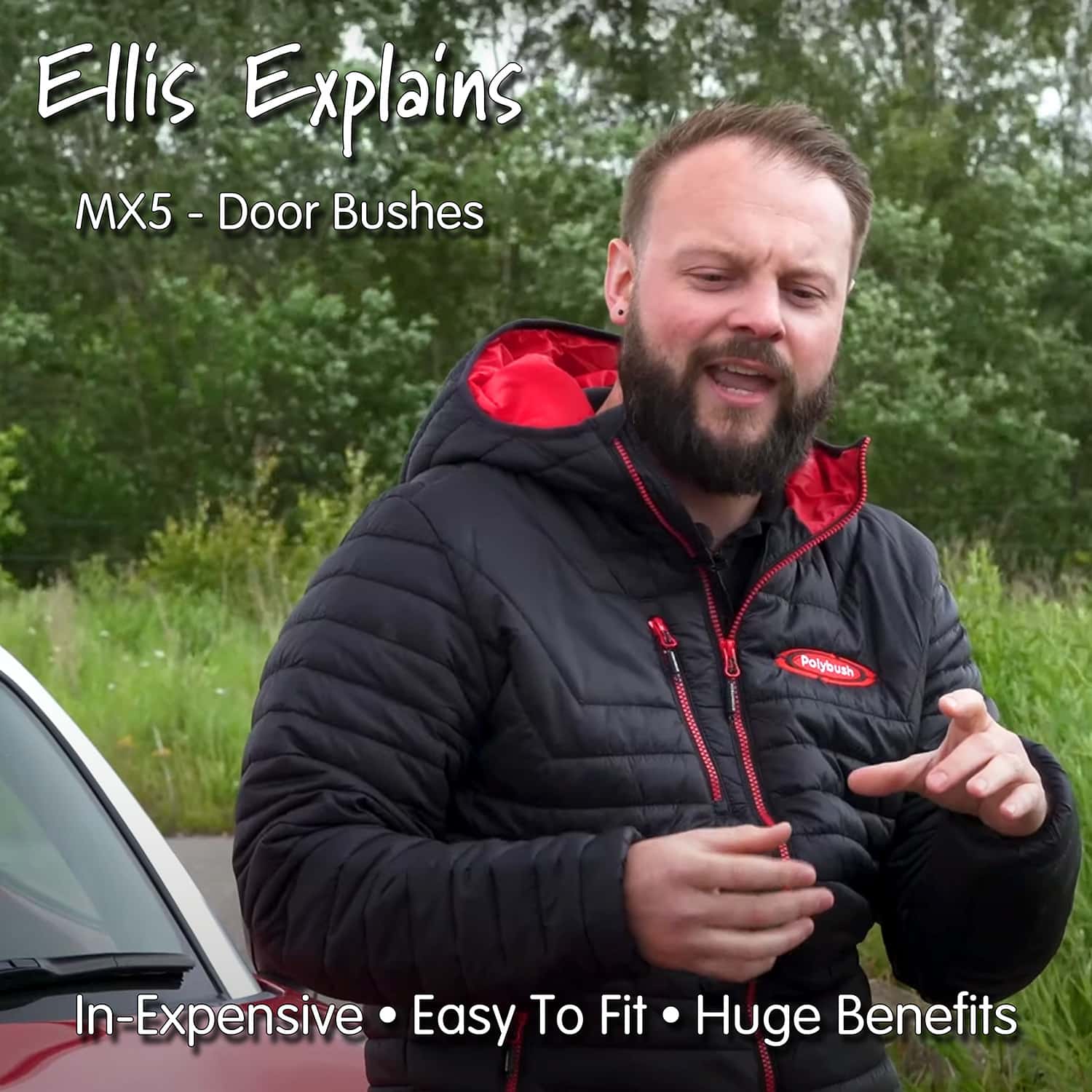
Would recommend definitely buying again, Even all the way from states!! Great quality and very easy to install on my 1990 Mazda Mx5 Miata.
Marcus M Blake
While all the pieces did not fit for my vehicle – stabilizer bar ends for my L200 K34T GJENTUR – everything else did, front and rear. It has been two years since the installation, and they are still in good condition with tons of off-road km under them and what looks like tons more to go (If allowed, 4.5 Stars)
I STRONGLY recommend products from PolyBush.
Richard Neath

I ordered a full set of bushes fitted to my VW transporter. I can honestly say that the difference is utterly incredible, the potholed roads up here on Skye suddenly seem far less dreadful!
The decrease in body roll is also really noticeable. Polybush, you provide great service and are so approachable. A massive thank you!
Pete Calkin
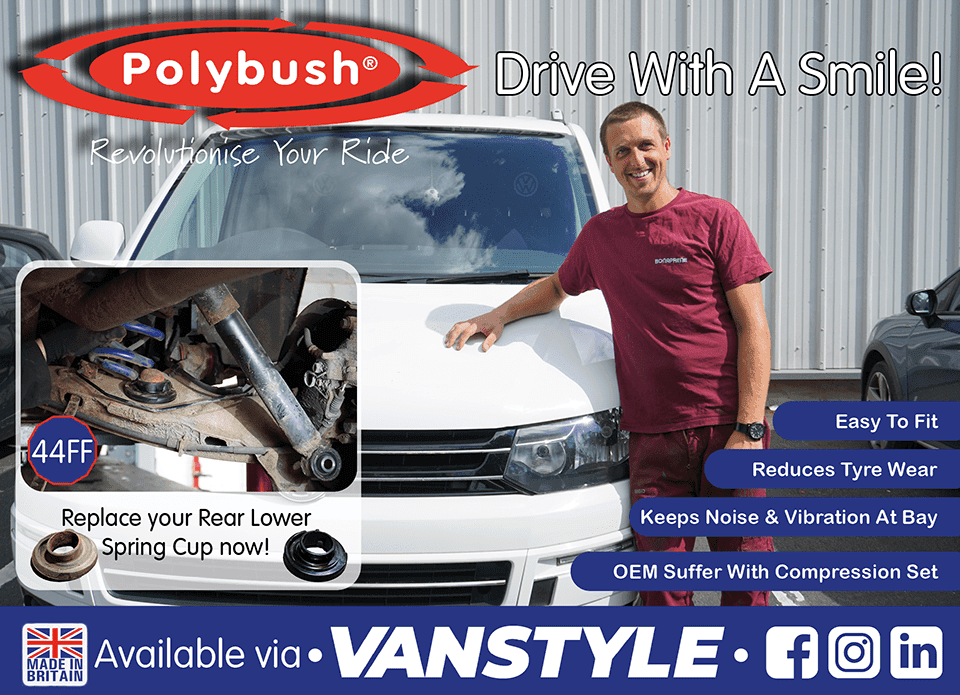
A big difference right out of the box. The van feels tighter and more direct without feeling harsh.
Everything just feels ‘newer’ in terms of ride quality and driving feel.
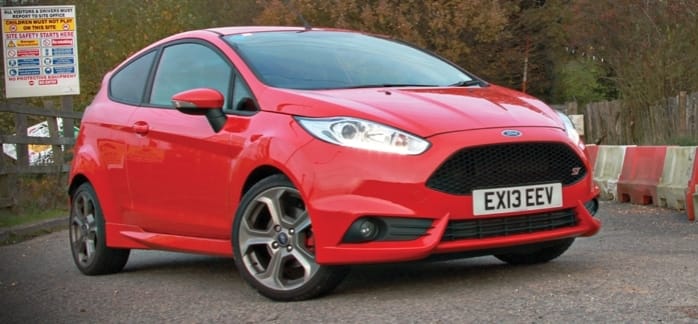
Fiesta ST150 Race Series
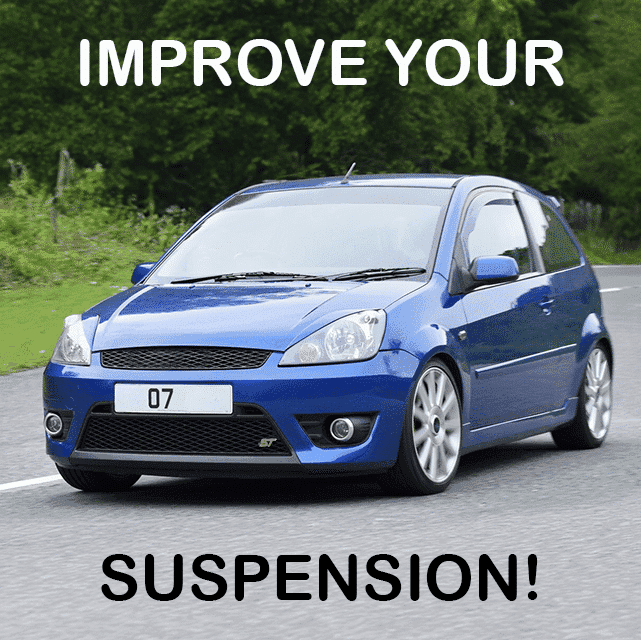
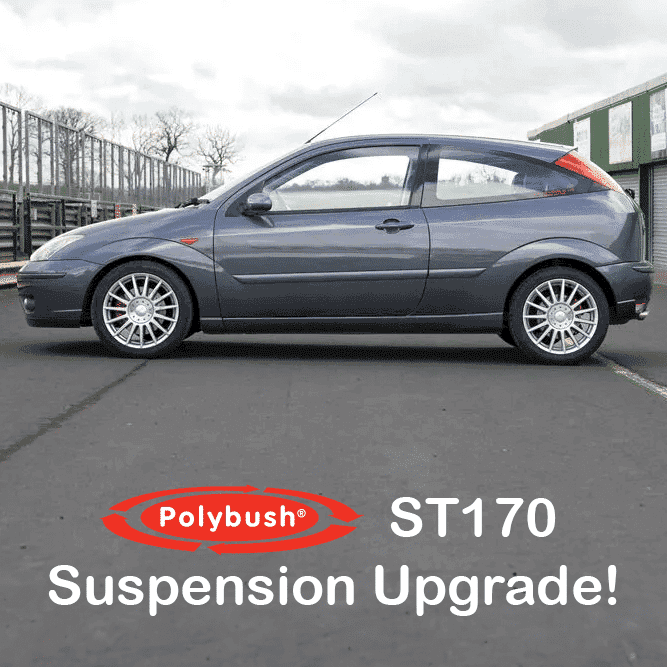
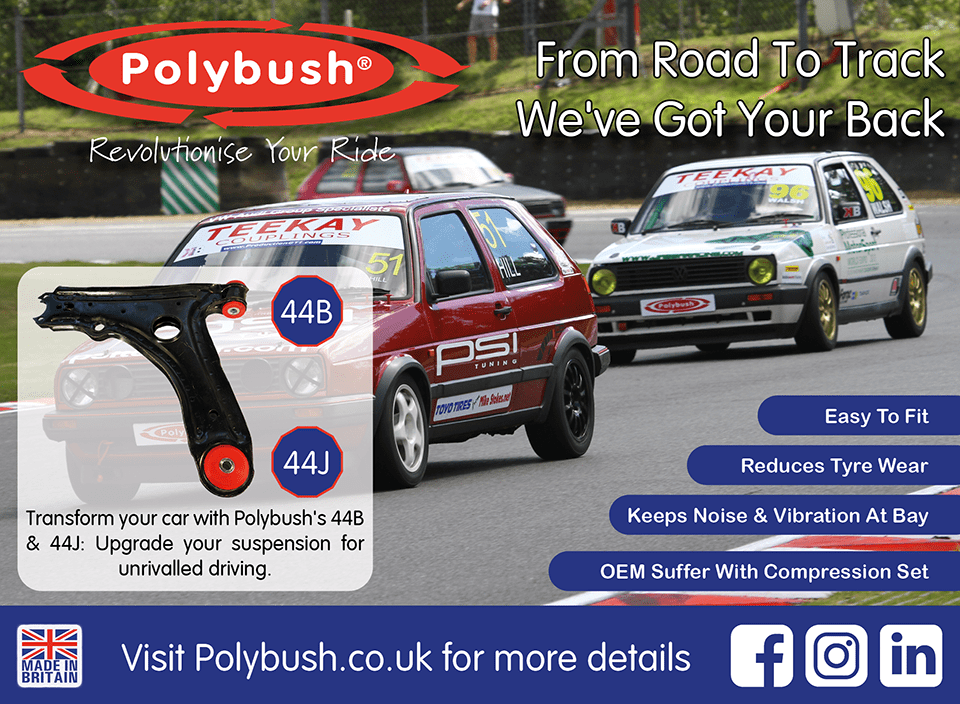
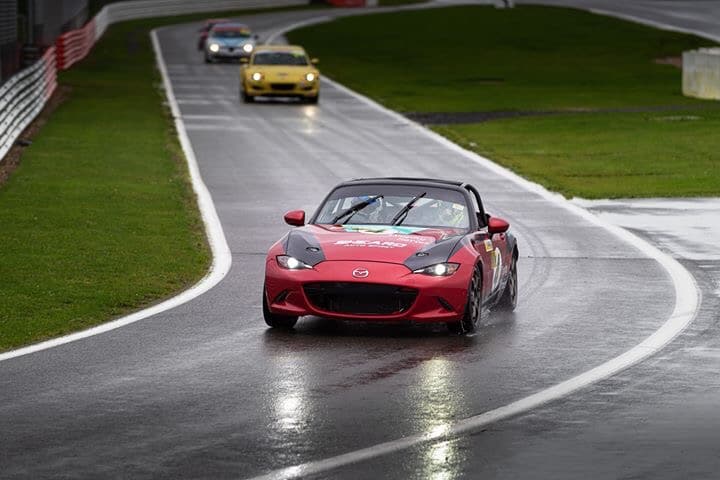
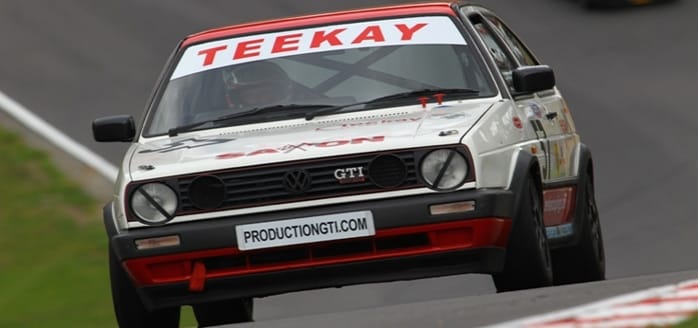
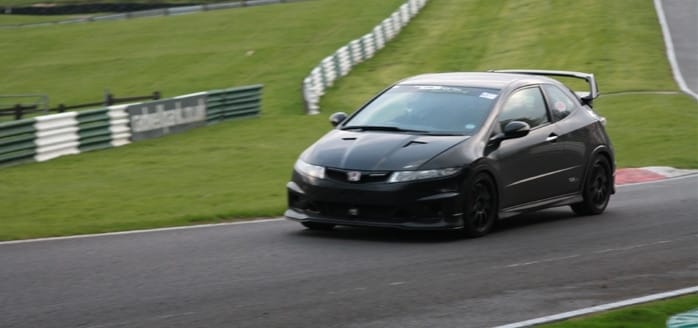
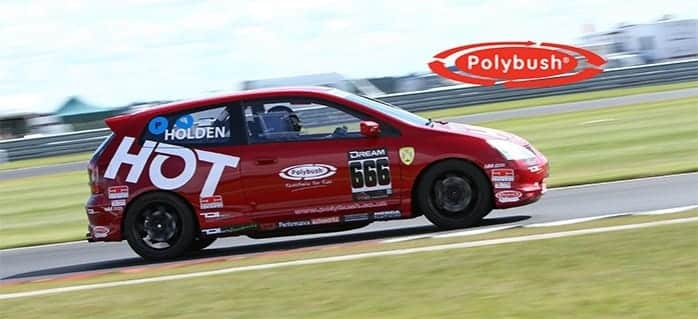
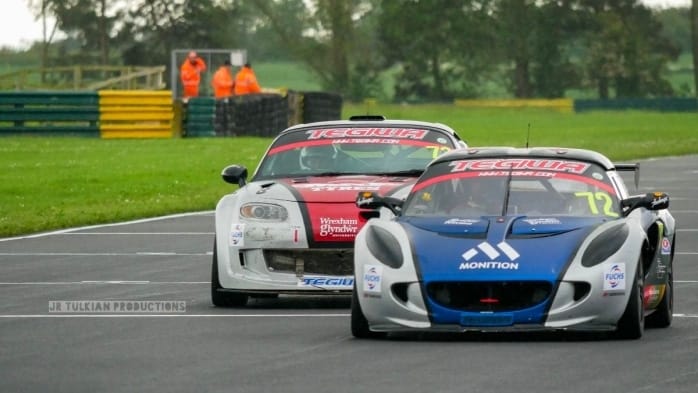
Since fitting the Polybush bushes to our Fiesta ST150 race cars the handling has been vastly improved, lap times have also dropped and the cars are far more driveable.






































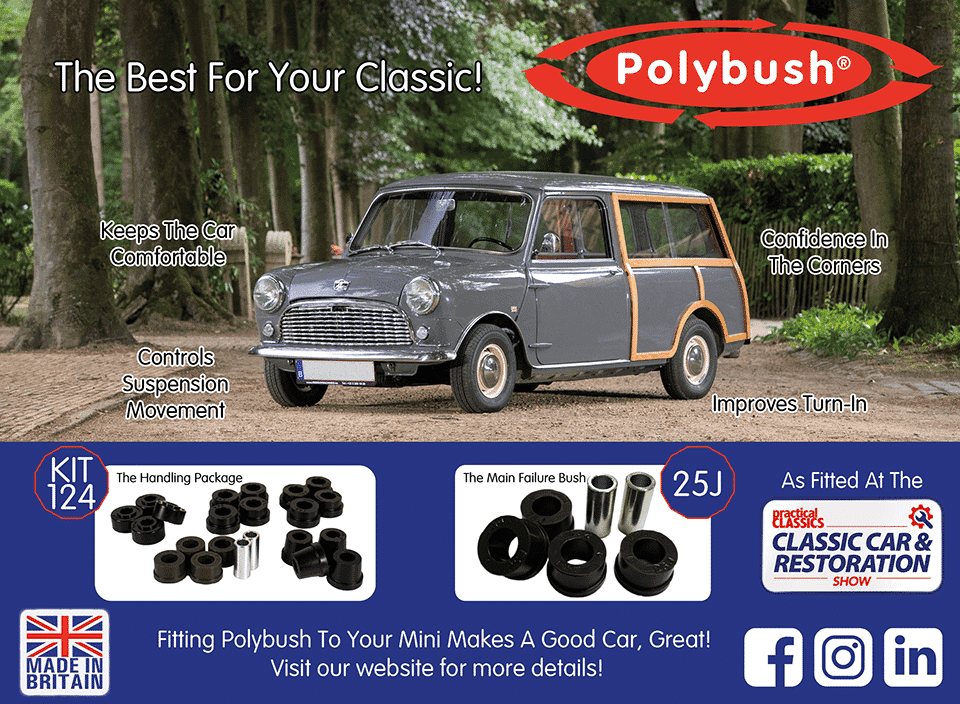
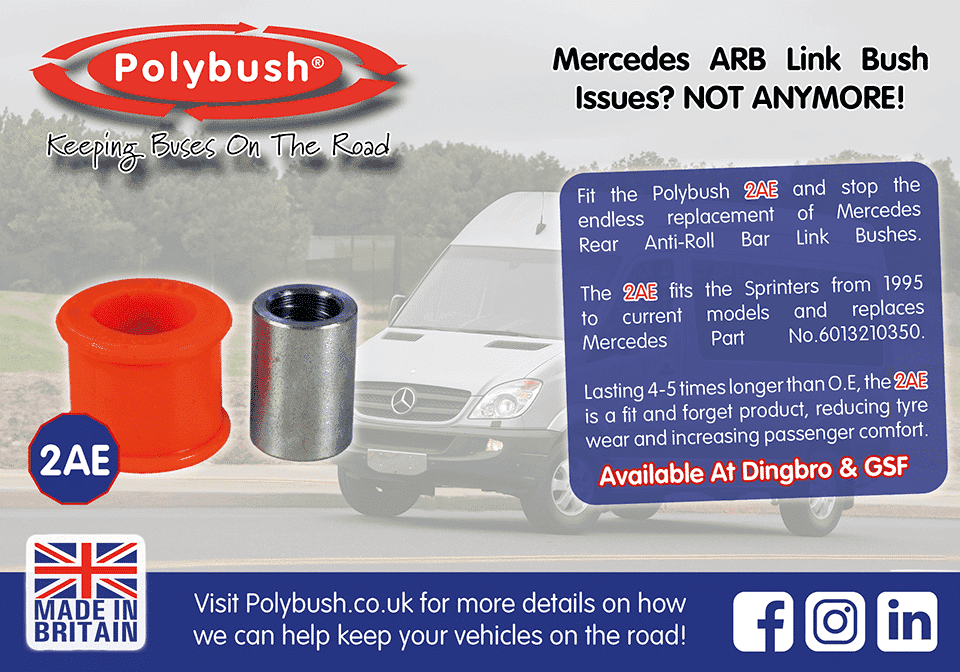
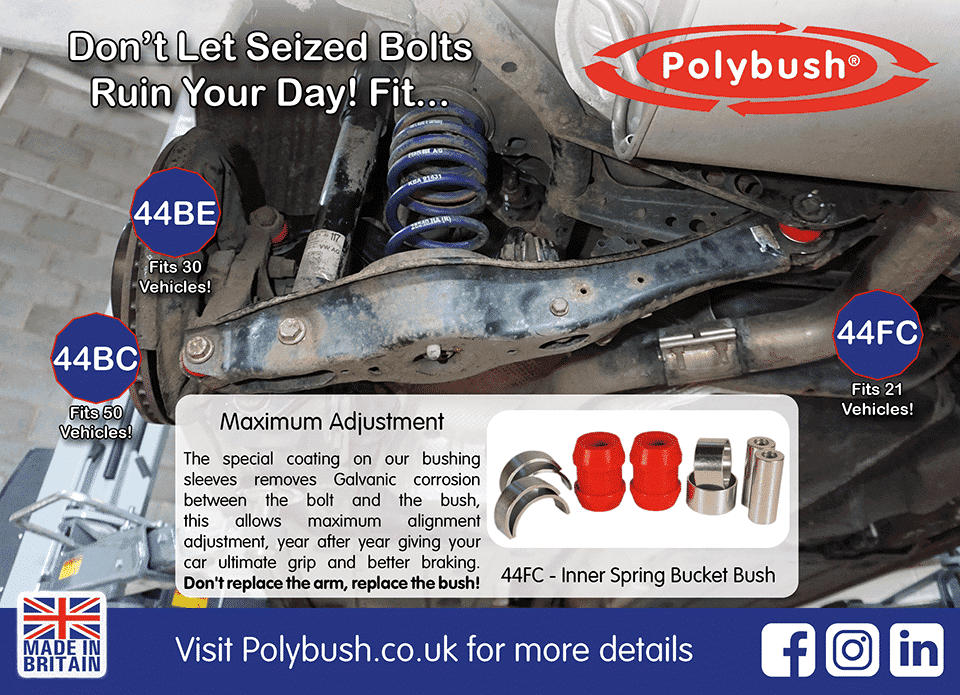
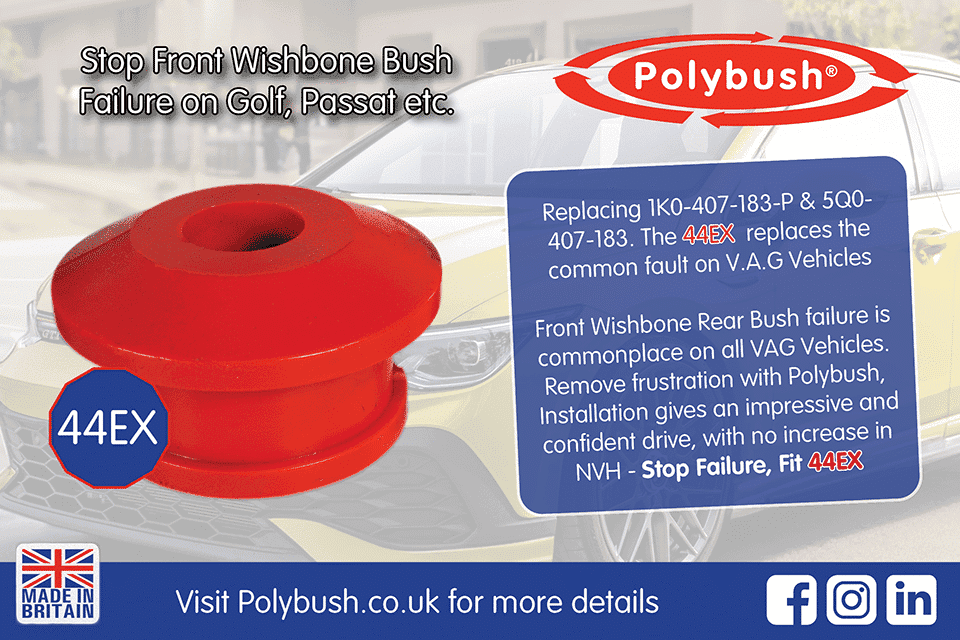


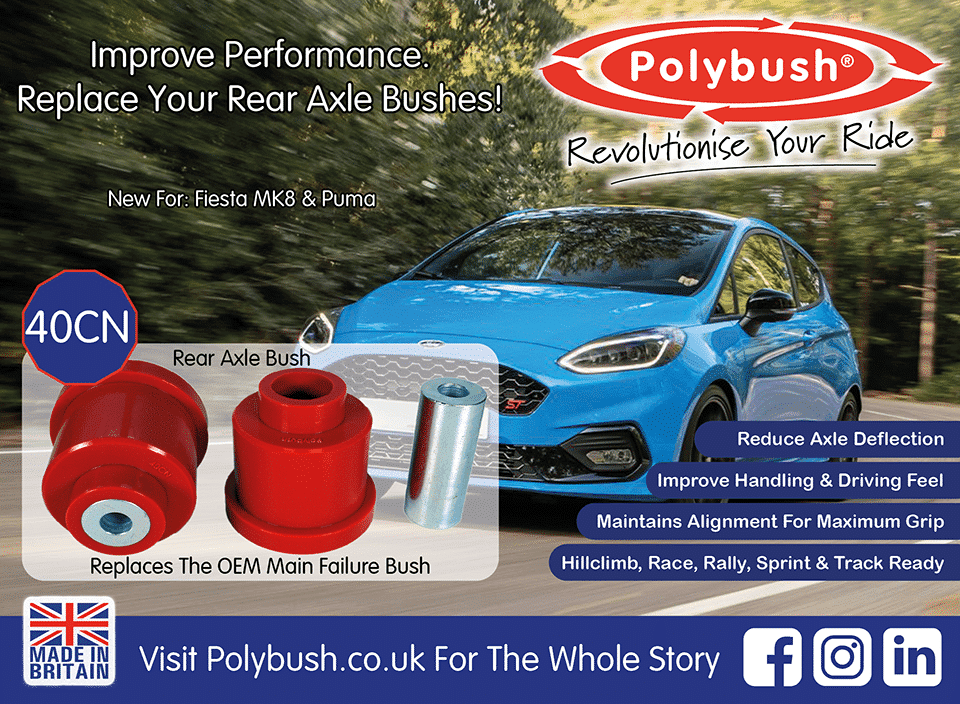
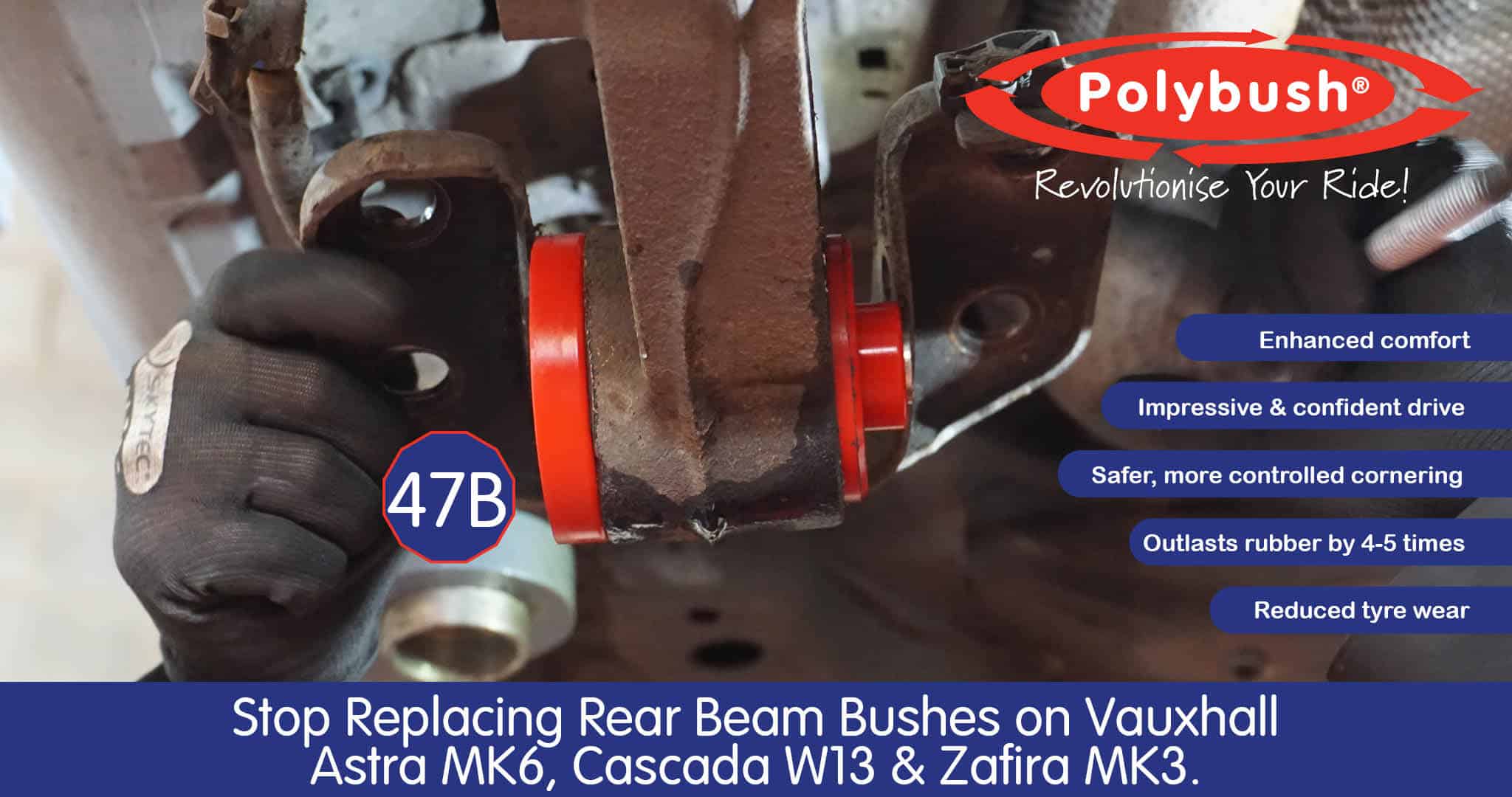
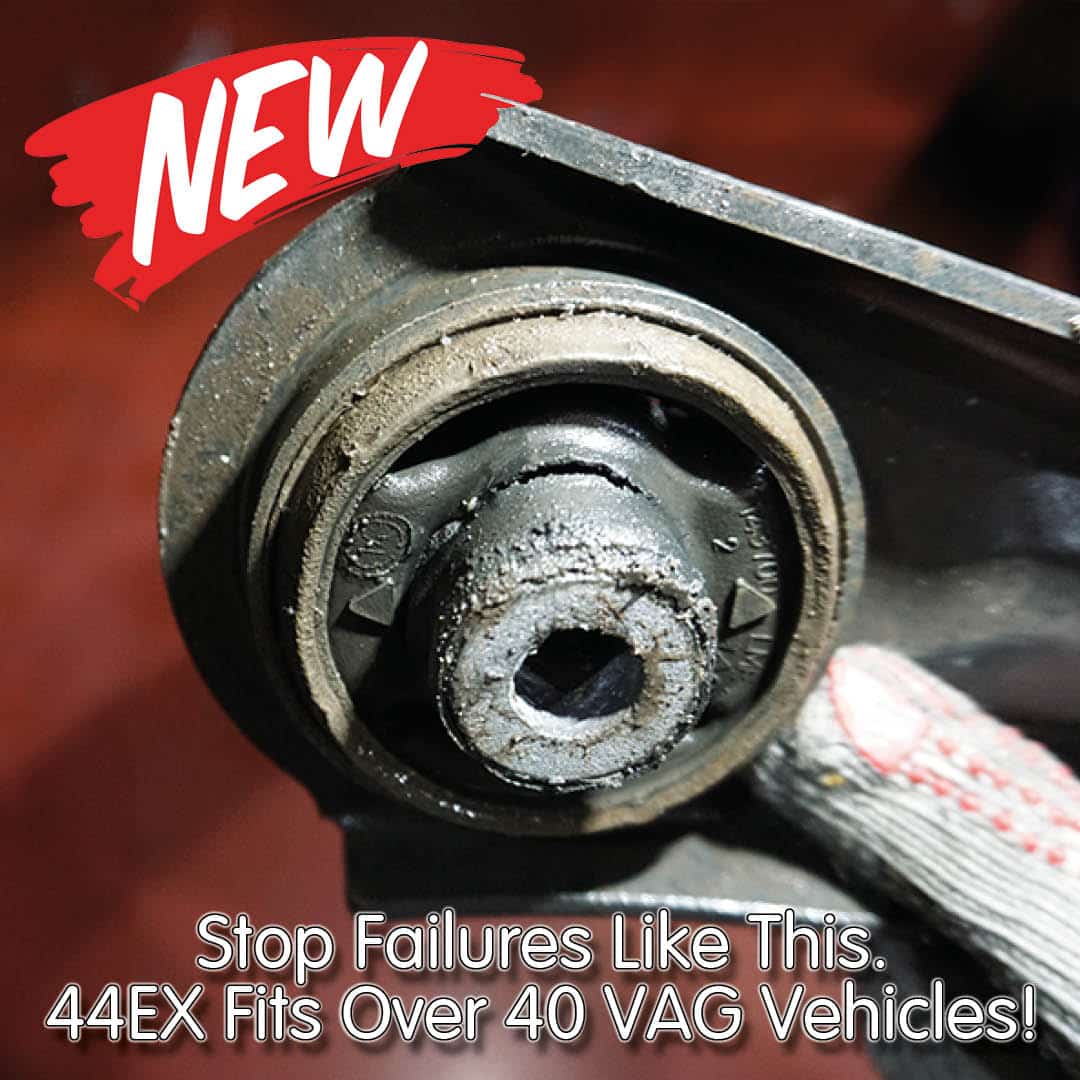
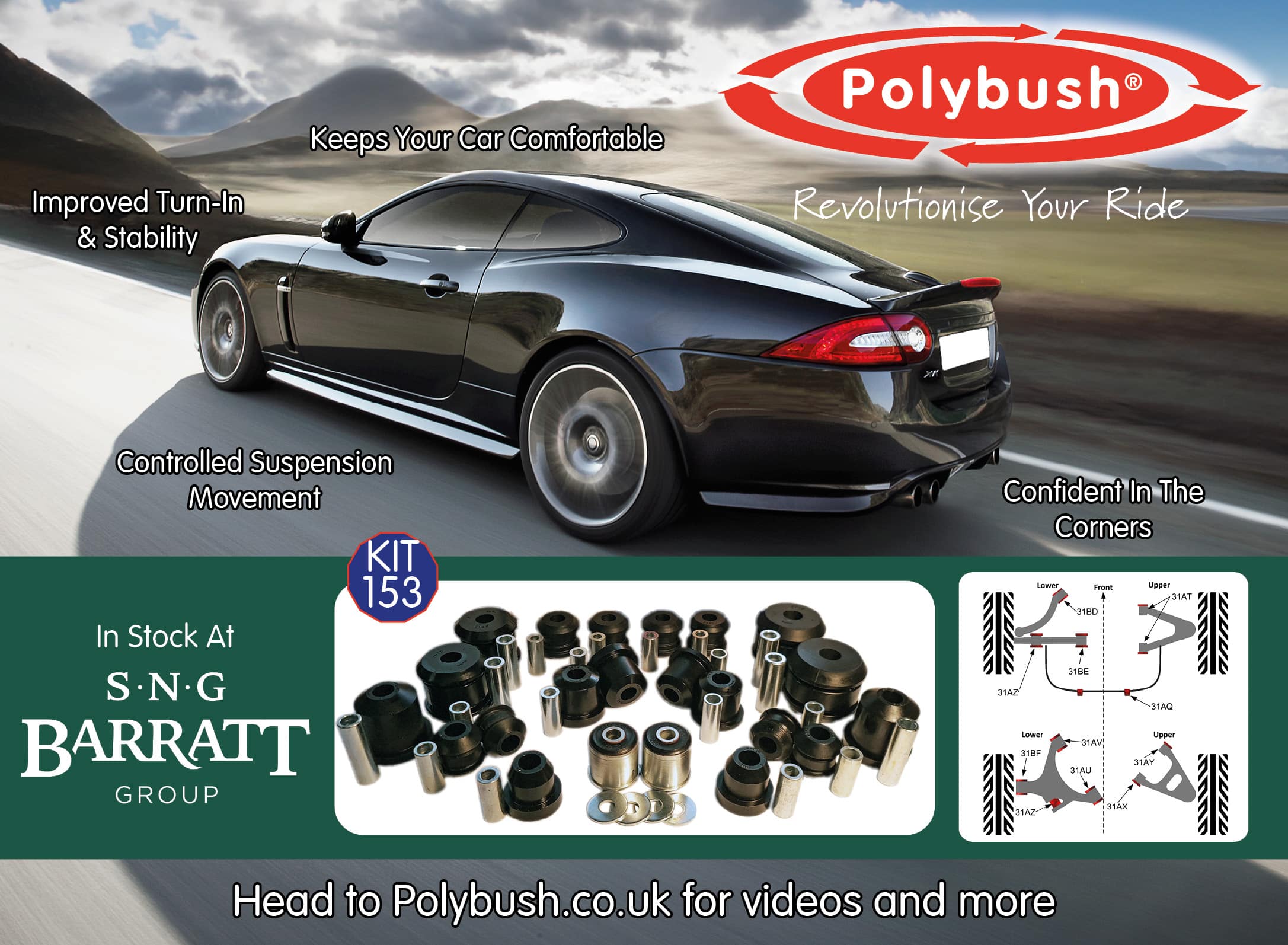

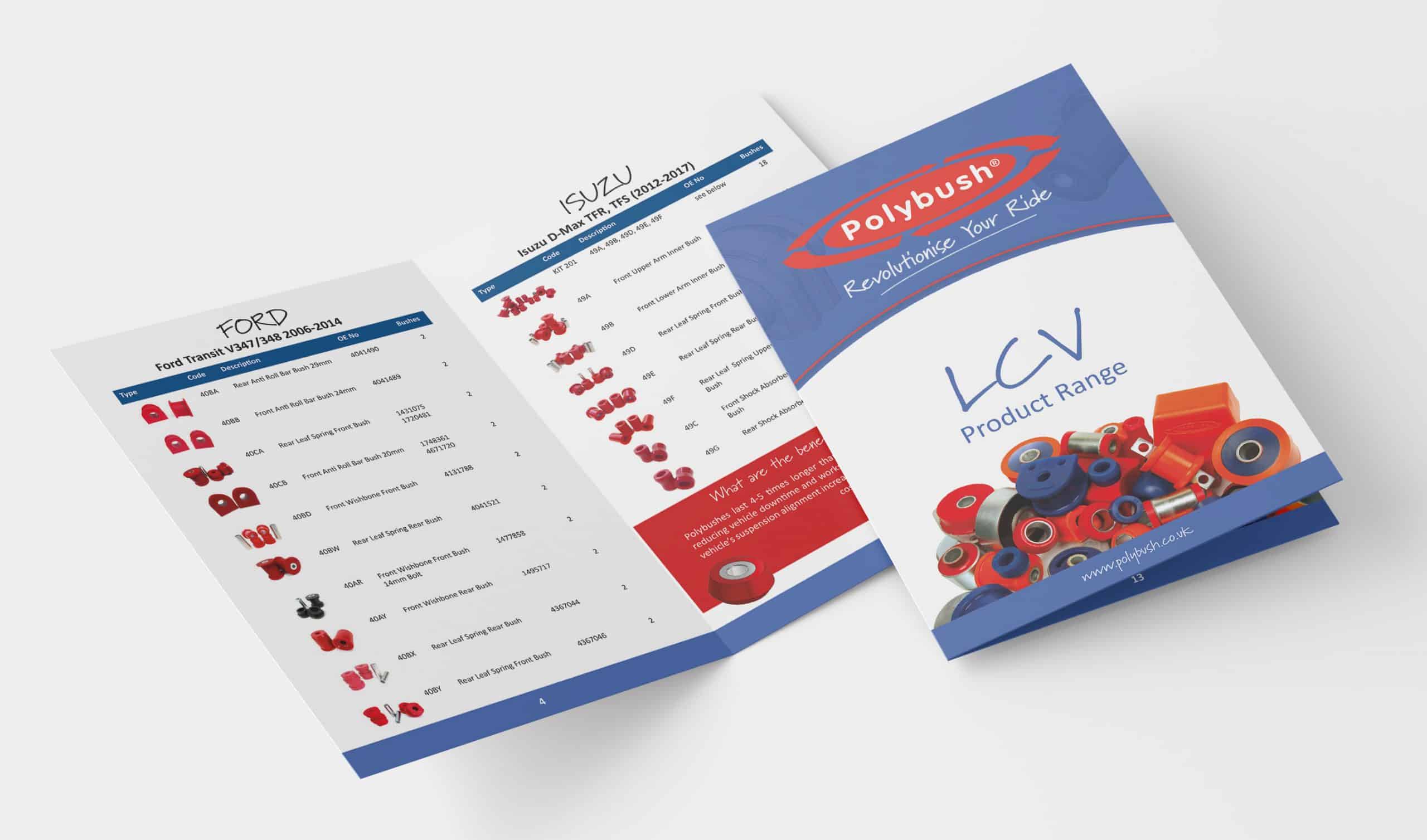
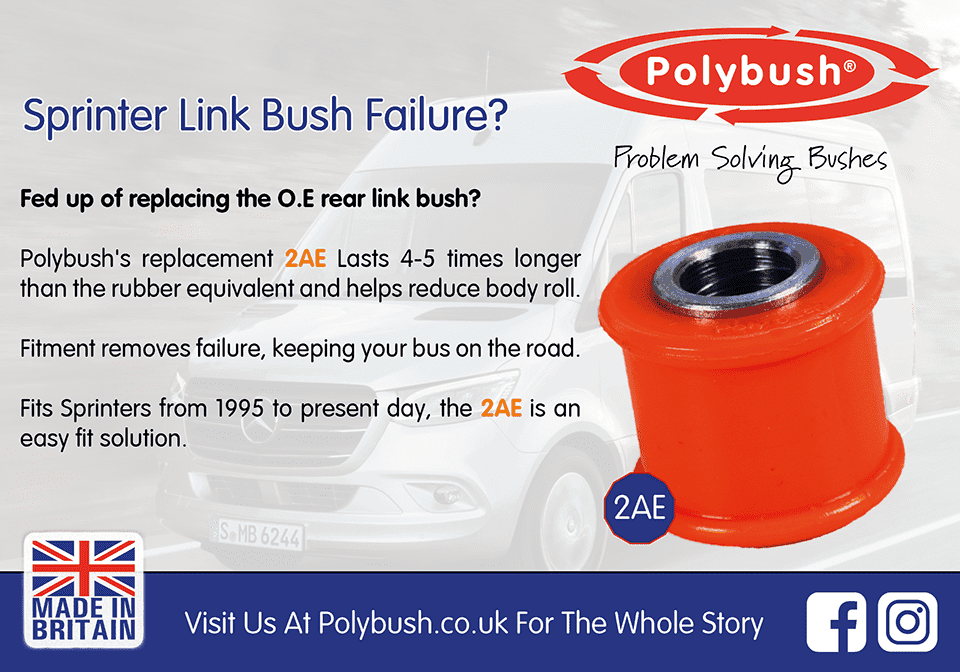
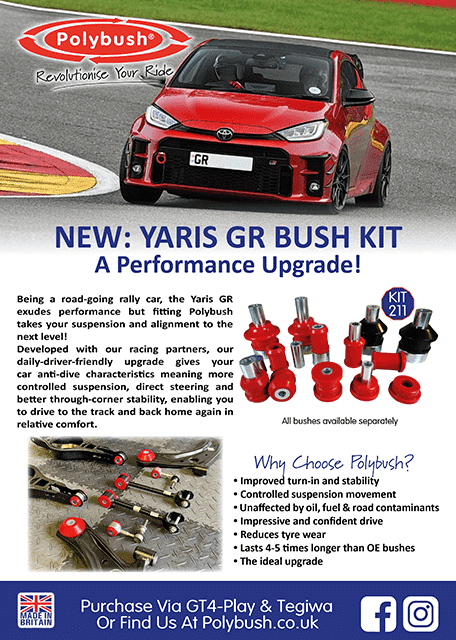
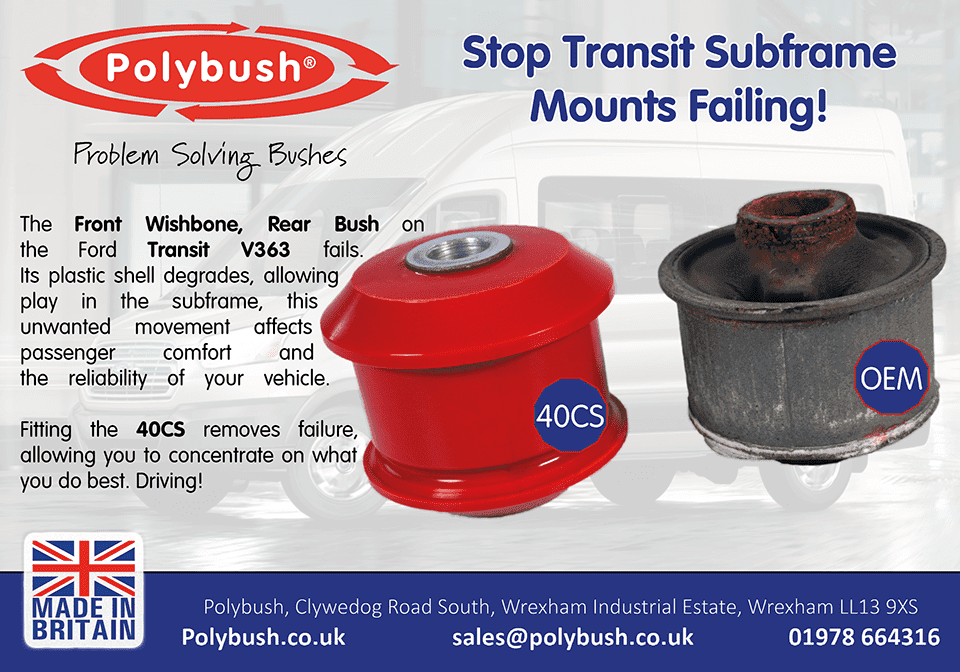







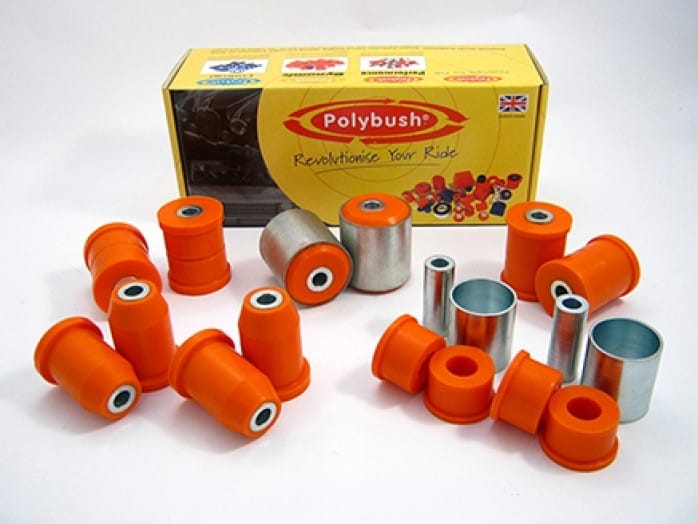
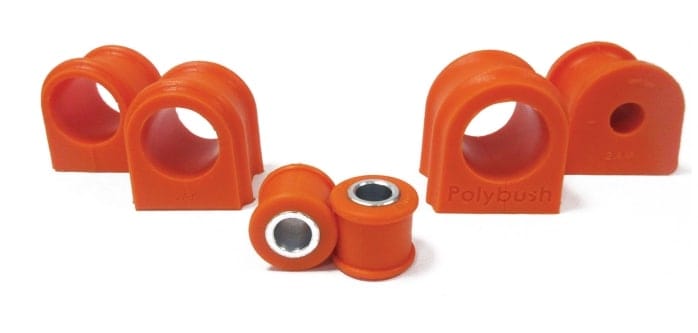
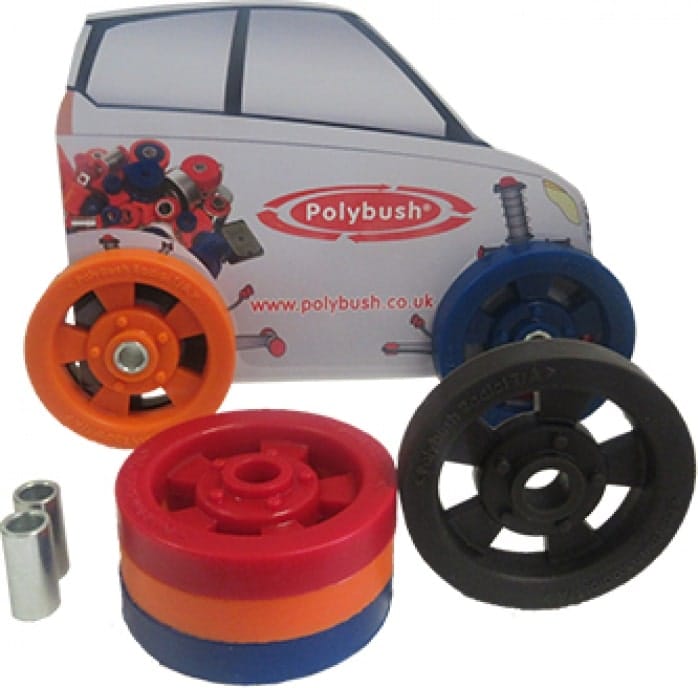
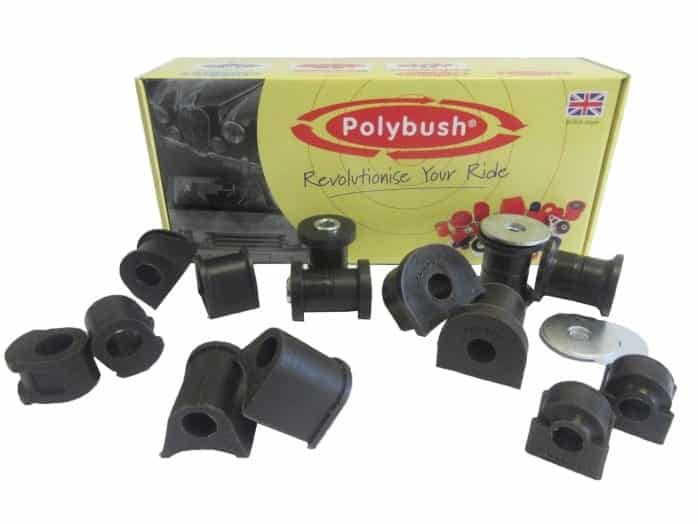
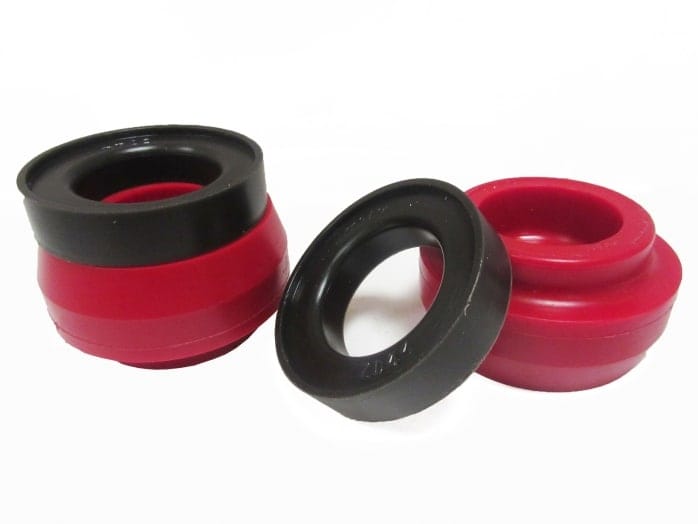
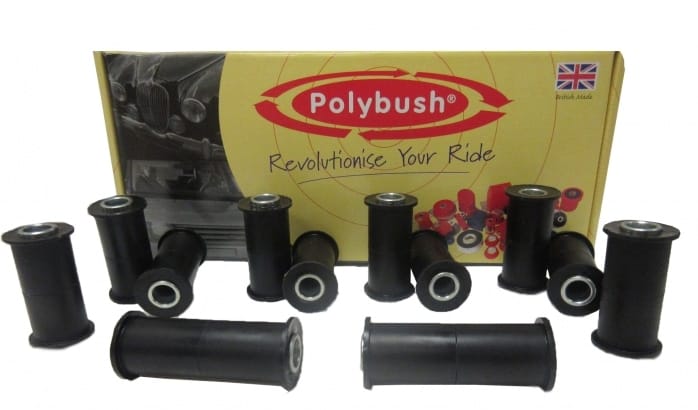

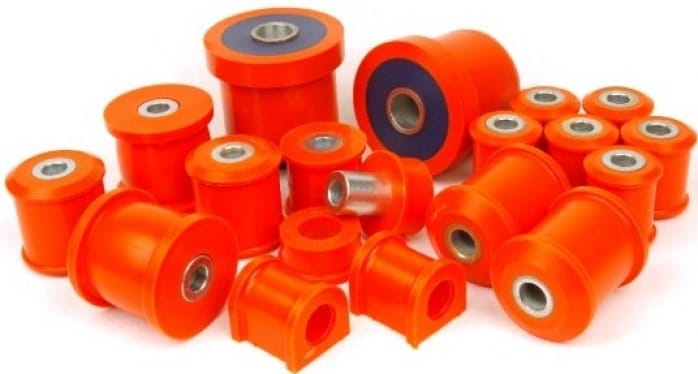
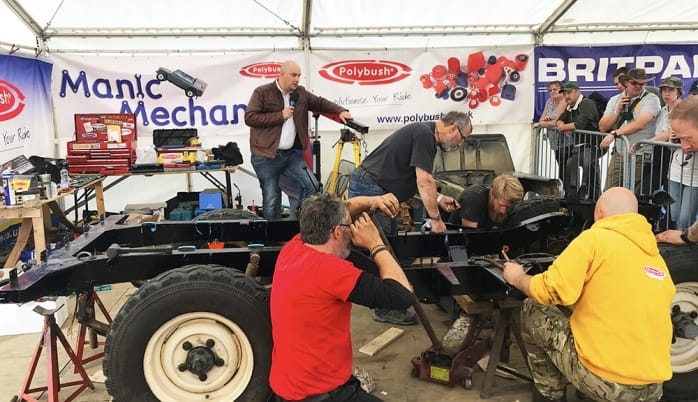
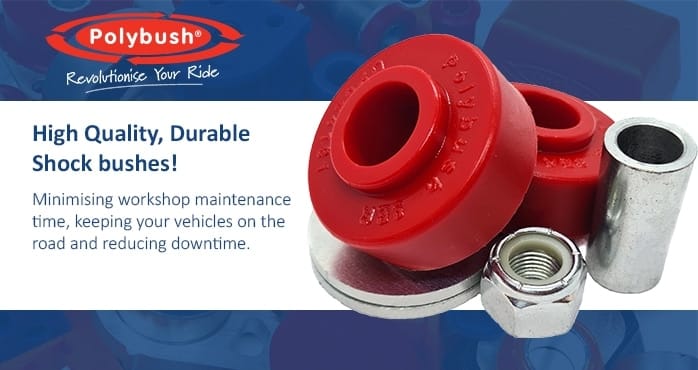

Unparalleled Products backed by outstanding customer service.
 Need help? Speak to our experts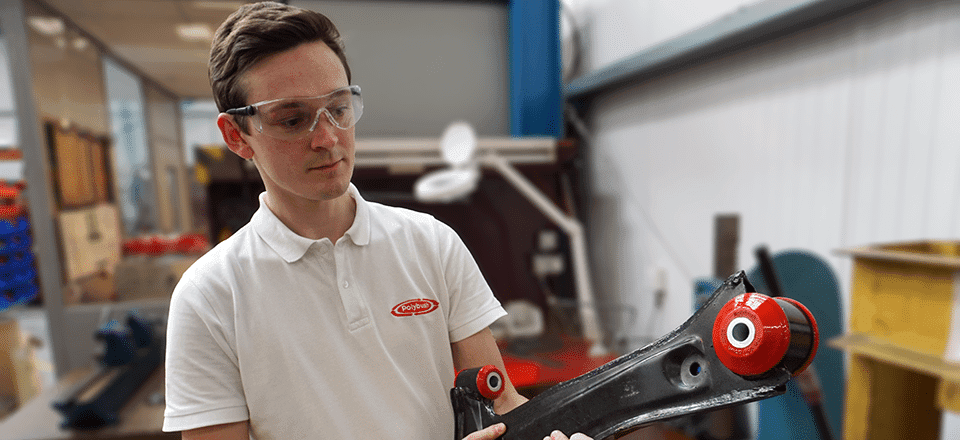
Get in Touch
Take a look at our contact page to find the best way to contact our dedicated team of experts.
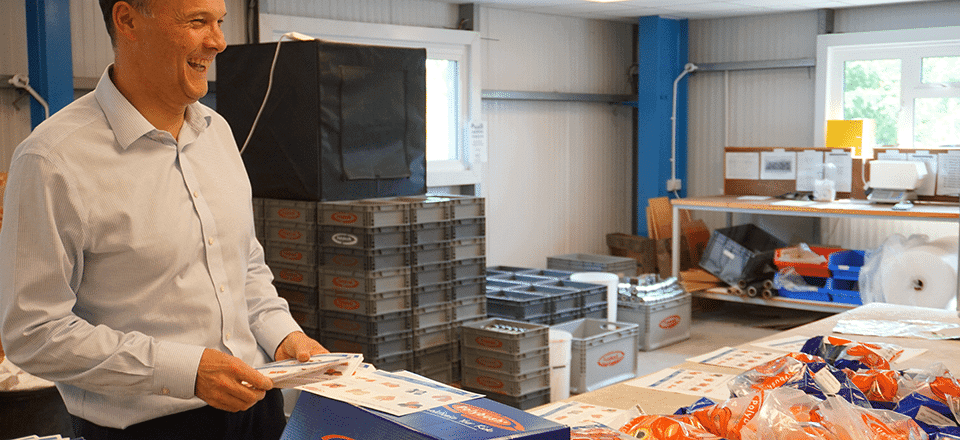
Useful Information
Access the most up-to-date industry advice and techniques for installing and utilising our top-tier suspension bushes.
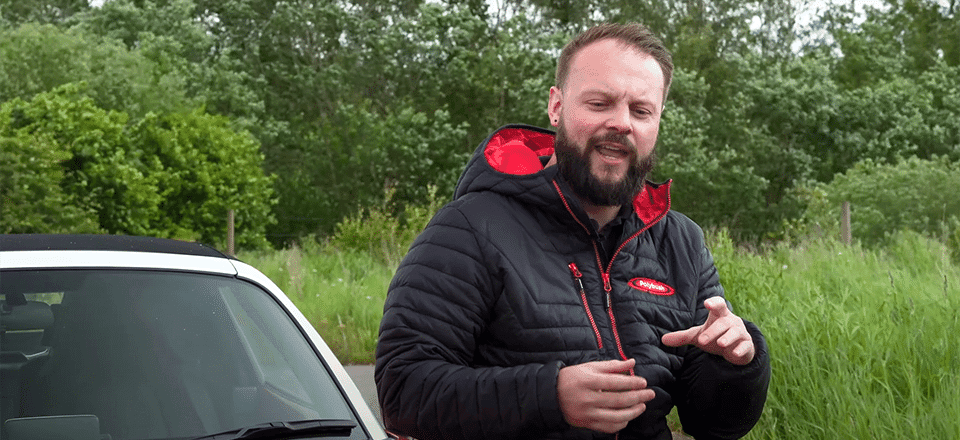
Need Help Choosing?
Searching for the perfect suspension bush can be overwhelming. That’s precisely why we’ve put together a helpful guide to assist you.
SUSPENSION BUSHES
Find Your Vehicle.
SUSPENSION BUSHES
Shop Commercial.