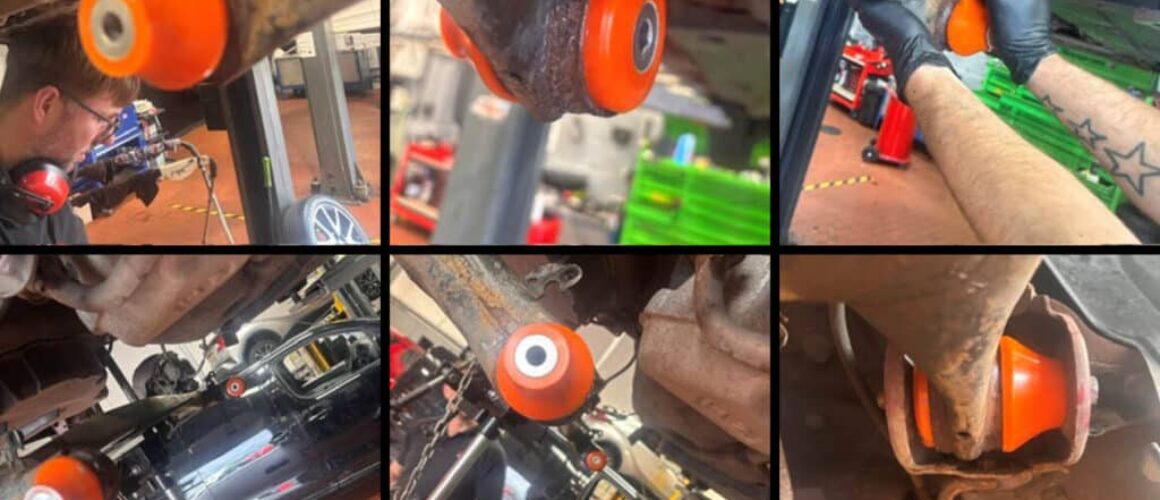
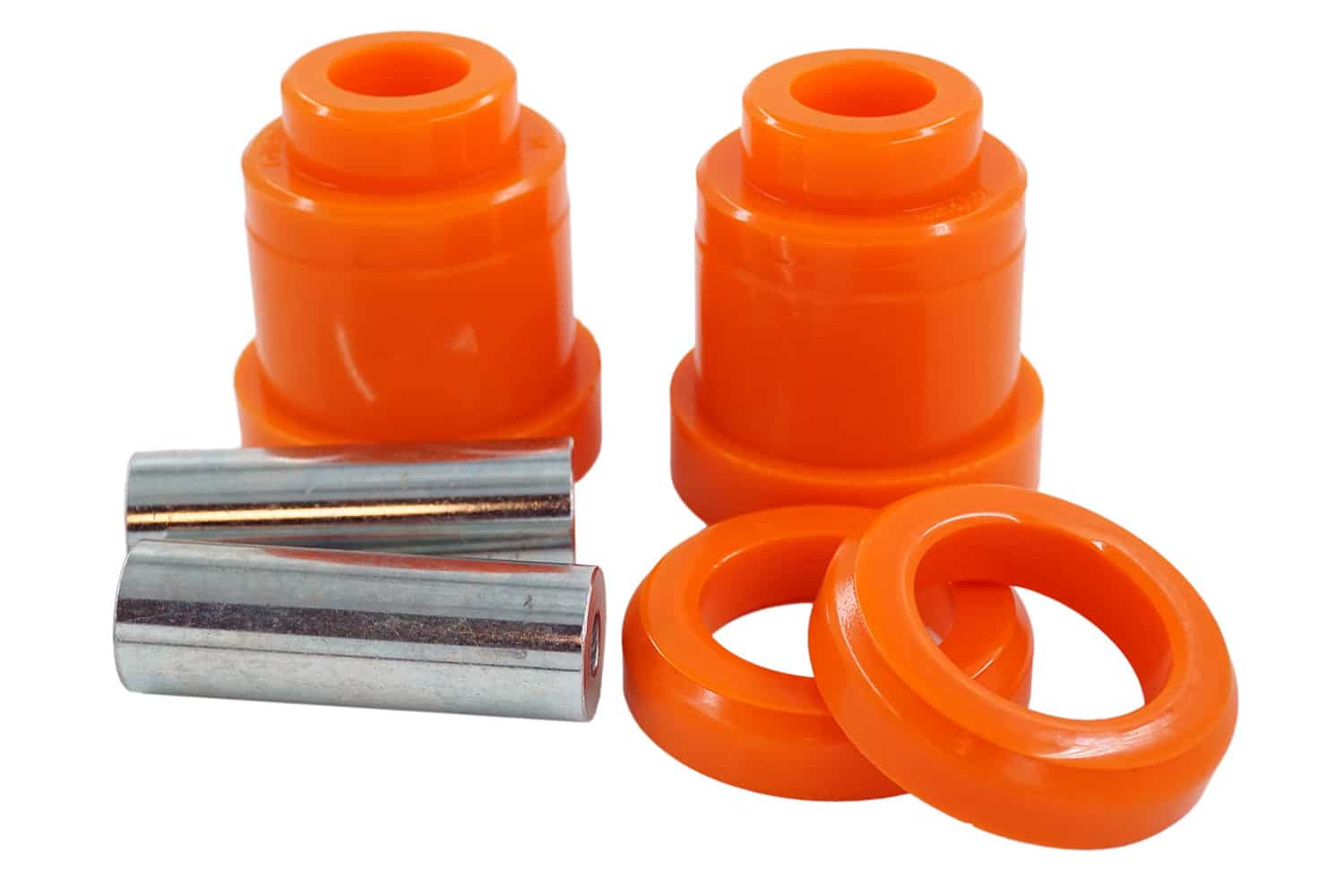
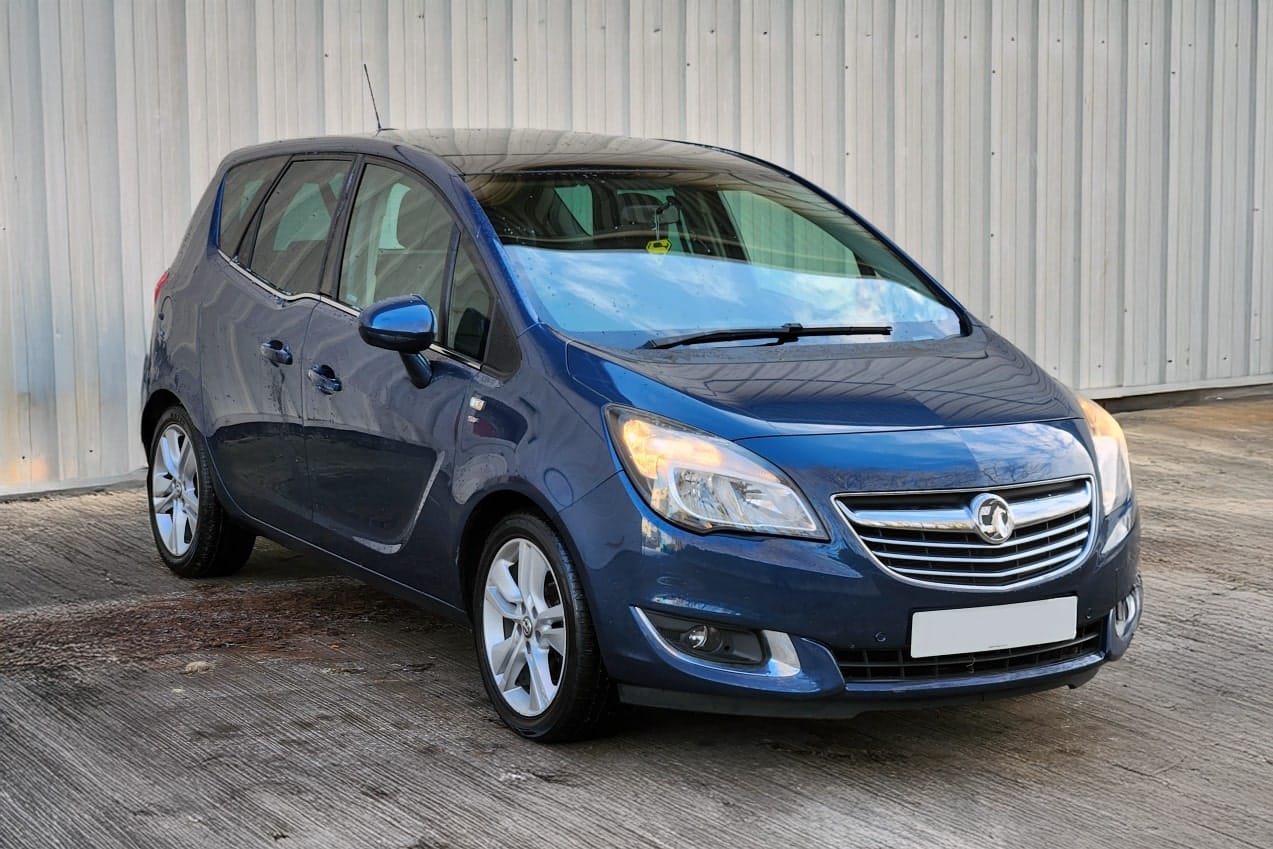
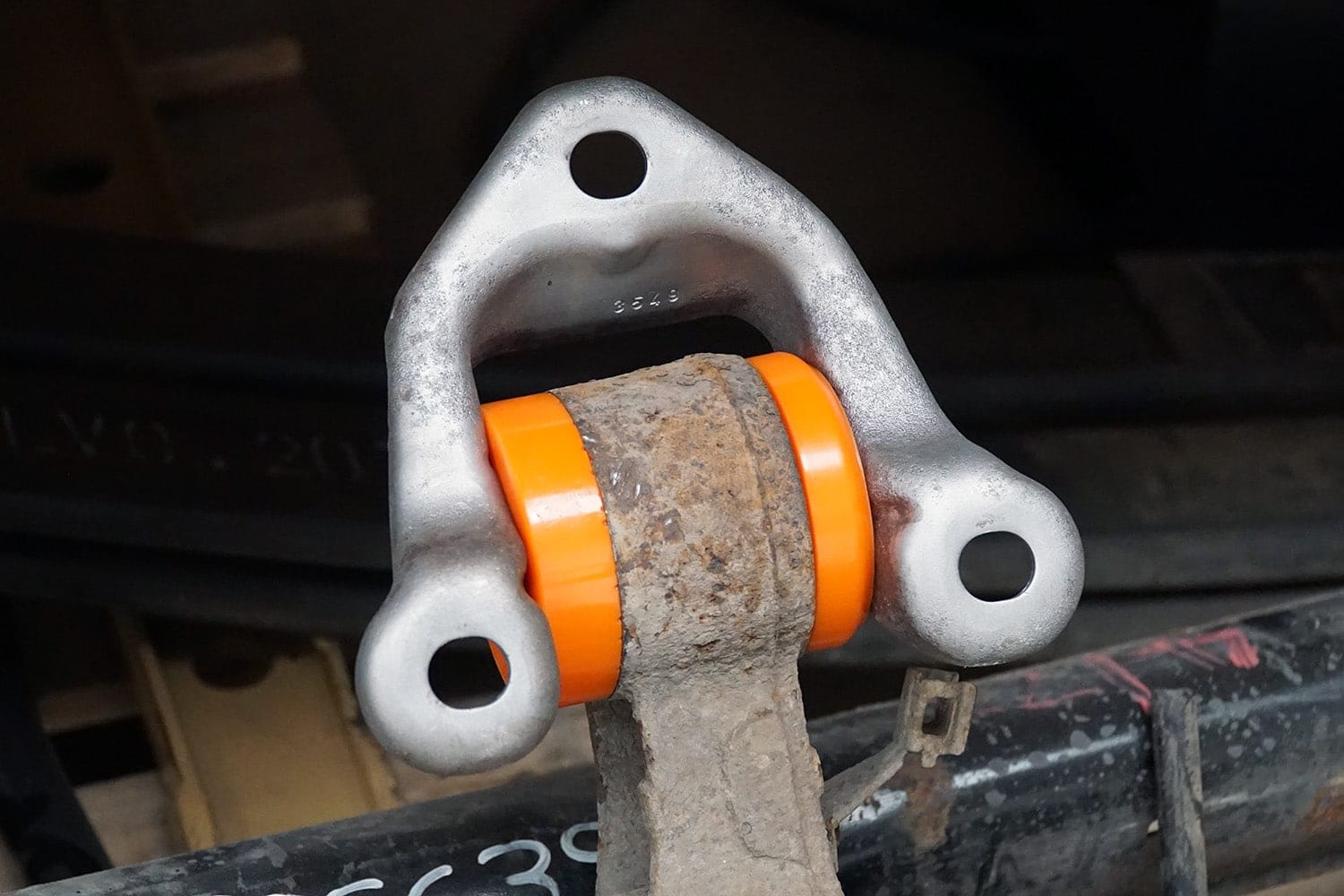
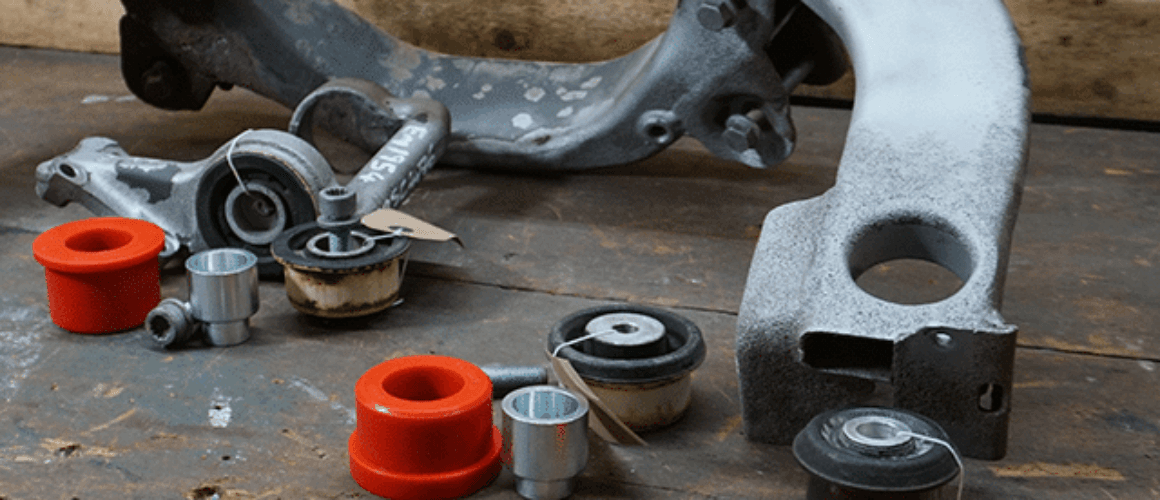
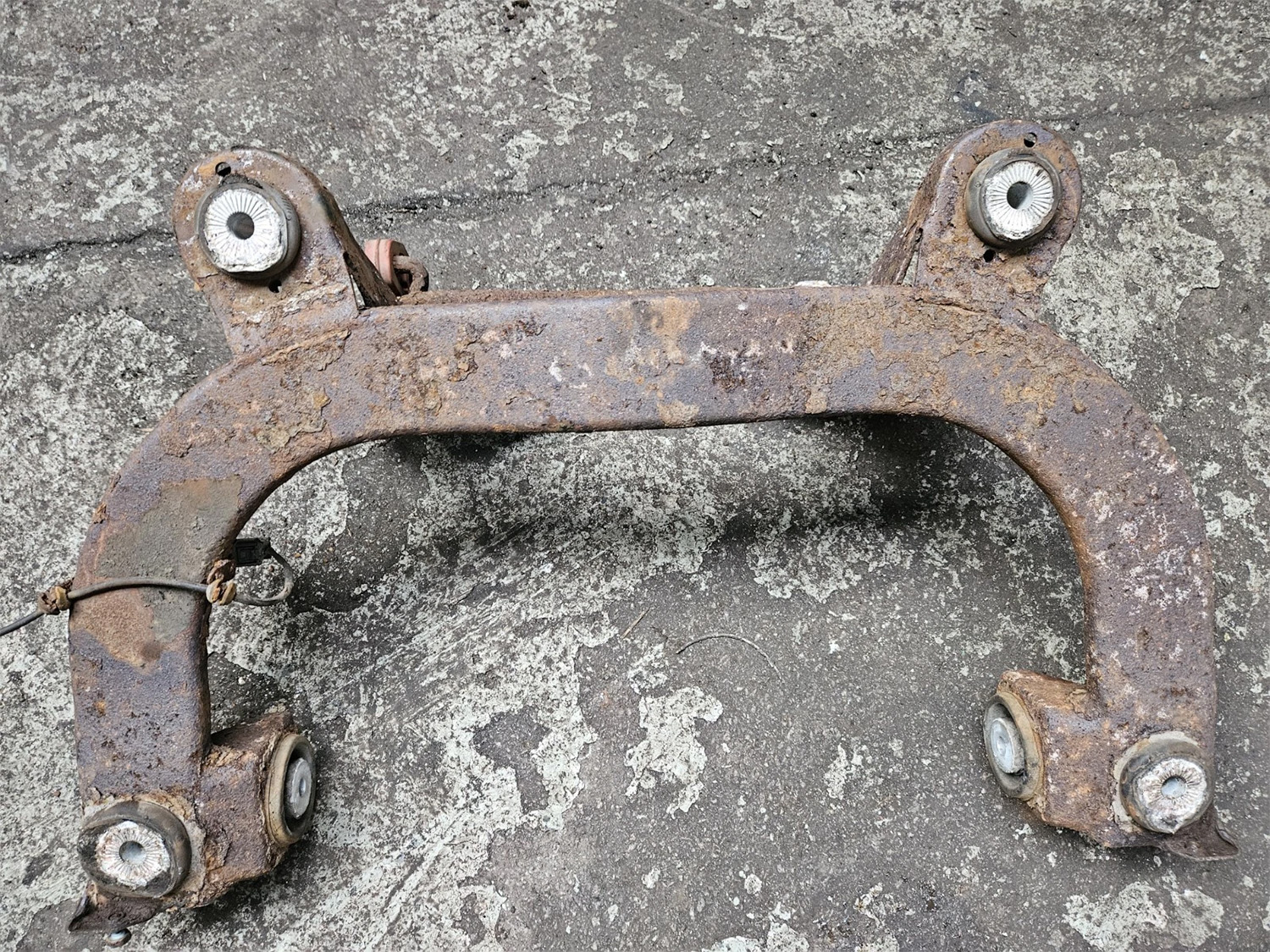
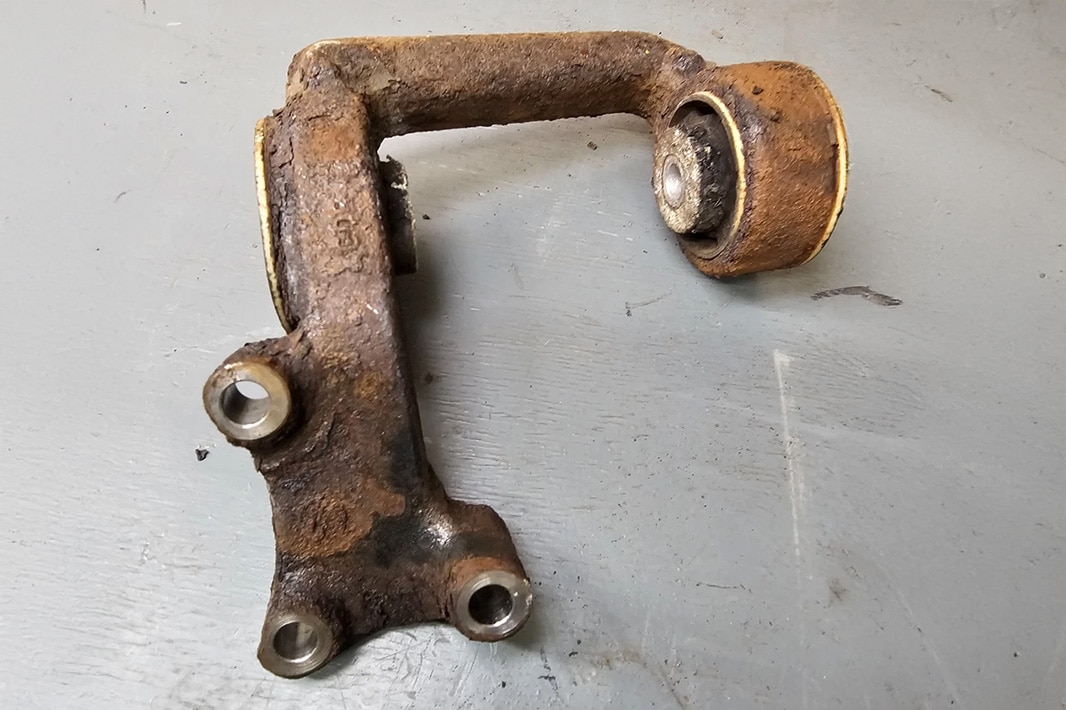
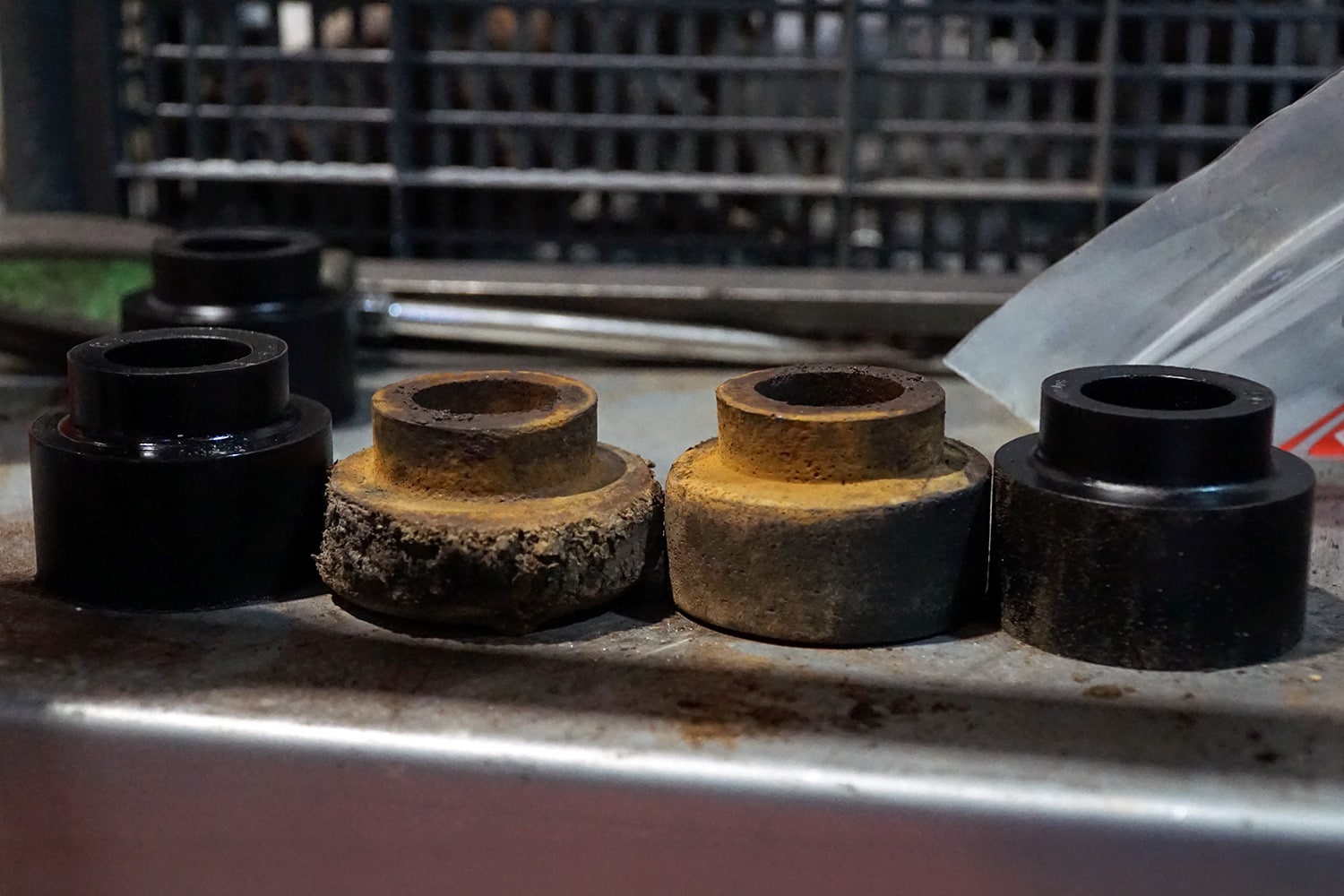
As the original rubber bushes deteriorate, owners can be faced with a quotation of around £2,500–£3,000 to replace the complete rear axle, rather than simply replacing the worn bushes.
And this is exactly the problem that led to the development of Polybush 7CK.
From a Toyota Workshop Problem to a Better Solution
Polybush 7CK wasn’t developed simply as another aftermarket suspension product.
The idea came from a Toyota service manager who encountered the problem in the workshop. The original equipment solution meant that when the rear axle bushes deteriorated, the only option was to replace the entire axle, which is extremely expensive for the vehicle owner.
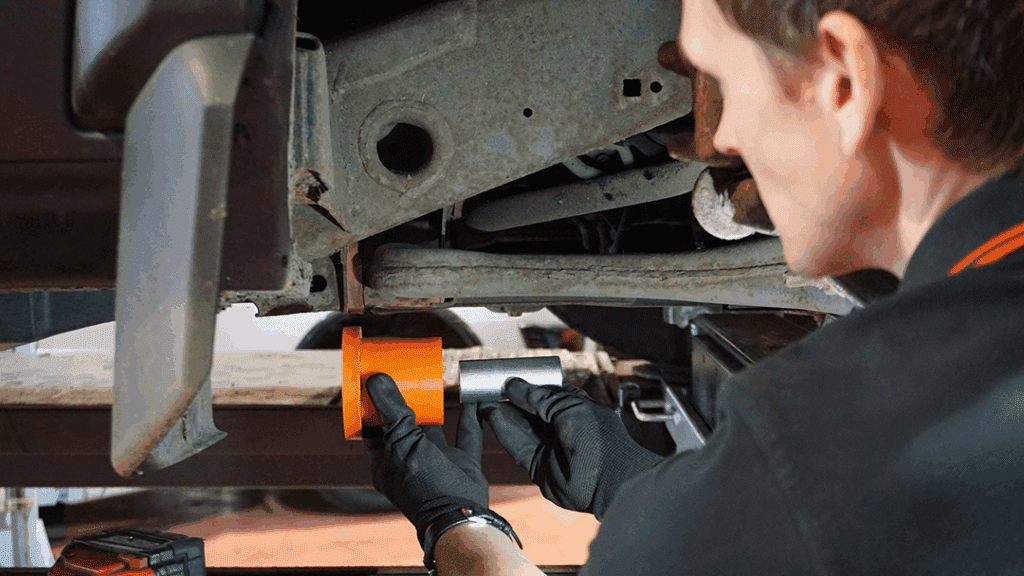
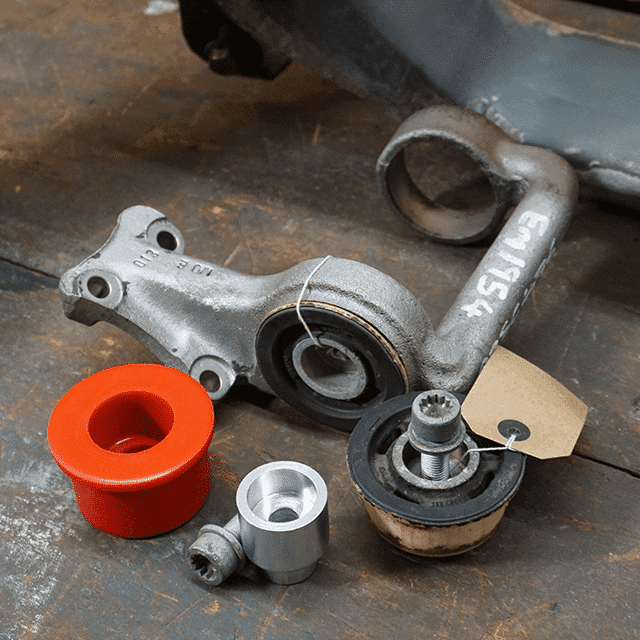
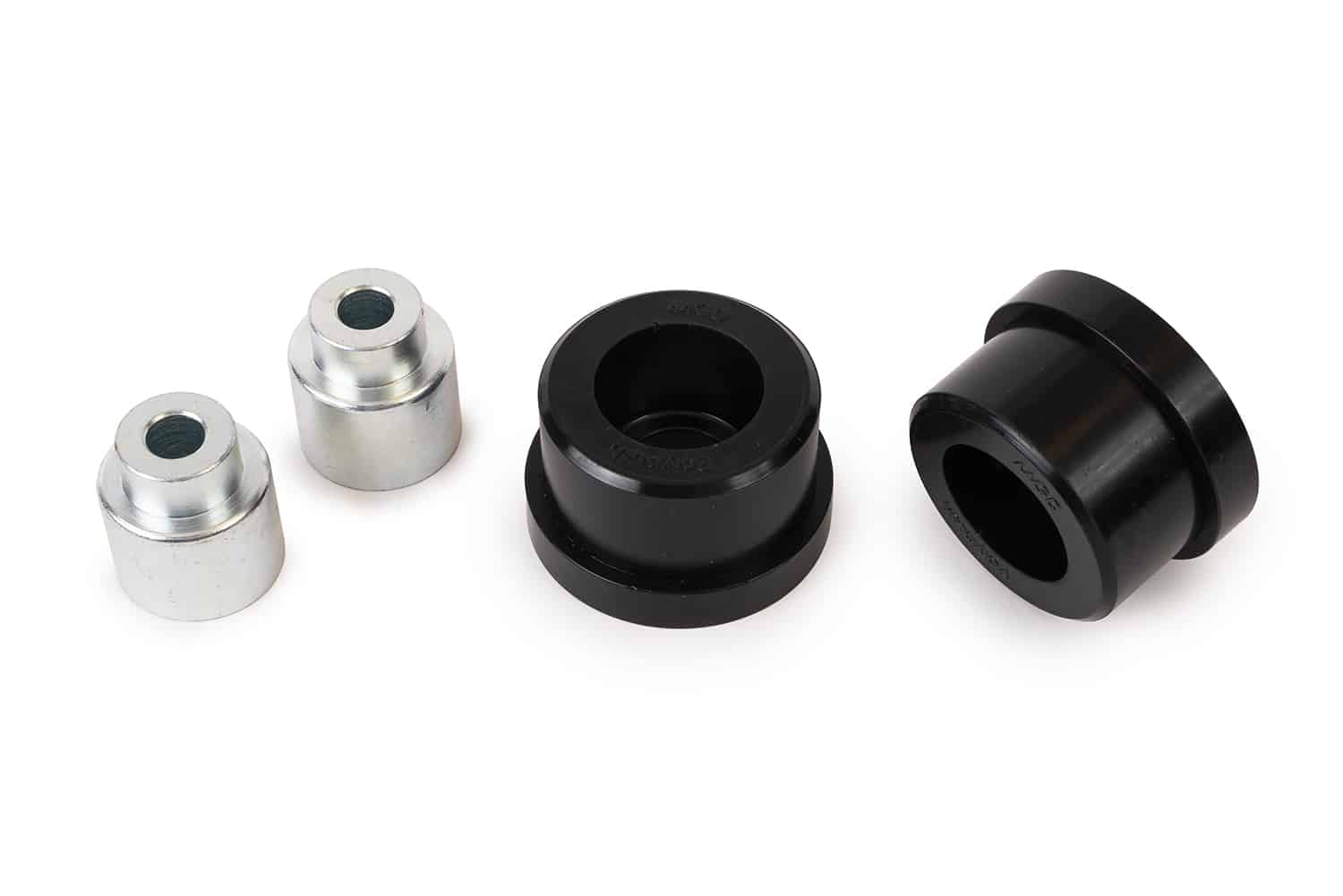
There had to be a better way – Working with dealerships, Polybush developed a polyurethane replacement bush that allows the individual bushes to be replaced rather than replacing the entire axle assembly.
Resulting in Polybush 7CK – a durable, long-term replacement designed to solve a costly and frustrating problem.
Which Vehicles Are Affected?
Polybush 7CK is suitable for the following applications:
If you’re experiencing knocking or clunking in the rear suspension on one of these vehicles, it’s worth having the rear axle bushes inspected before agreeing to a complete axle replacement.
What Happens When the Original Bushes Fail?
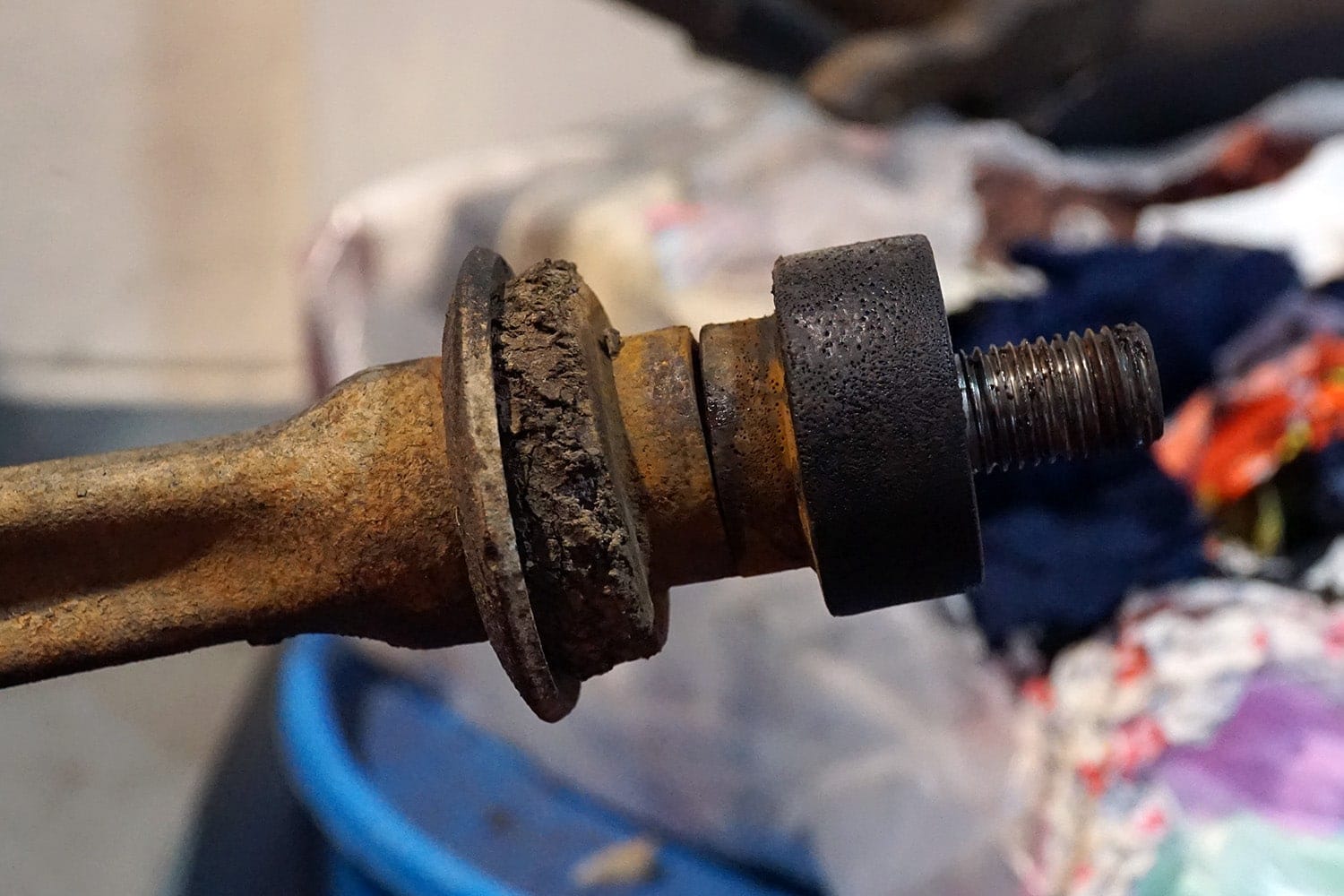
The original bushes control movement between the rear axle and the vehicle. Over time, the rubber can deteriorate due to constant suspension movement, road grime, moisture, temperature changes and general age. As the bush deteriorates, excessive movement can develop.
Owners may notice:
Knocking or clunking from the rear
Noise over potholes or speed bumps
Increased rear axle movement
Changes in handling or stability
Movement under braking or acceleration
Perished or cracked bushes
Suspension bushes failing an inspection or MOT
For some vehicles, this can result in the recommendation to replace the complete rear axle.
That’s where the cost becomes significant.
A £3,000 Axle Replacement Isn’t the Only Option
A failed bush doesn’t necessarily mean that the whole axle is worn out.
Instead of replacing a complete axle because a rubber bush has deteriorated, the failed bush can be removed and replaced with a purpose-developed polyurethane alternative.
That can potentially save vehicle owners thousands of pounds.
Suspension bushes are generally considered wear-and-tear or consumable components, so deterioration may also fall outside a vehicle’s warranty.
Why Polyurethane?
Polybush 7CK isn’t simply a replacement – it’s designed as a long-term upgrade from the original rubber bush.
Polybush polyurethane is:
Long lasting – resistant to oil, road grime, UV and weather.
Firm and controlled – helps reduce unwanted suspension movement.
Comfortable – designed for everyday road use.
Dry fit – no grease required.
Made in the UK – manufactured using Polybush’s unique polyurethane blend.
The aim is simple: fit it once and forget about it.
Replace the Bush, Not the Axle
If you’ve been told that your Yaris, Yaris Cross, Mazda 2 Hybrid or Lexus LBX needs a complete rear axle because of failed bushes, ask whether the bushes themselves can be replaced.
It’s a product born from a real workshop problem, developed with dealership experience and designed to save vehicle owners from an unnecessarily expensive repair.
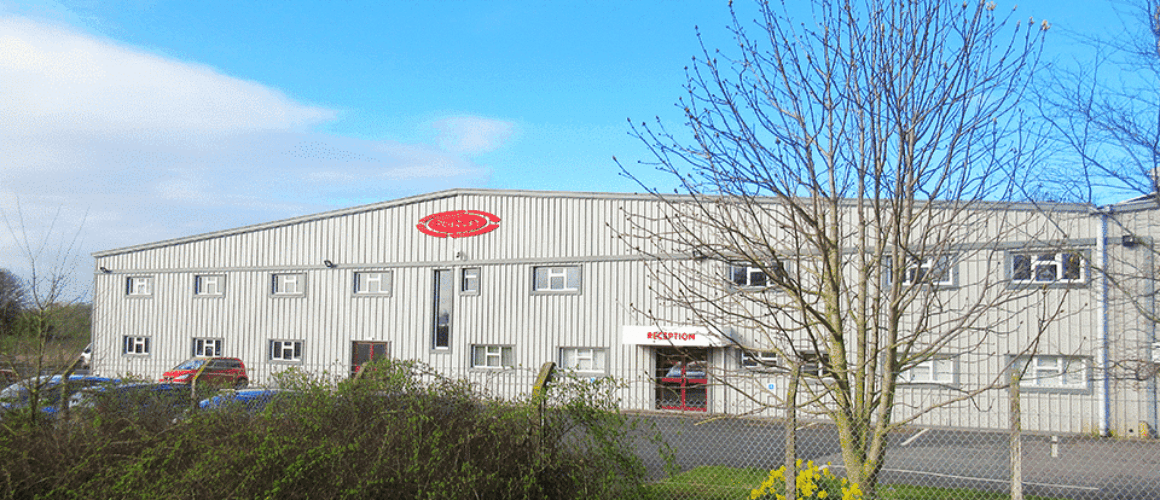
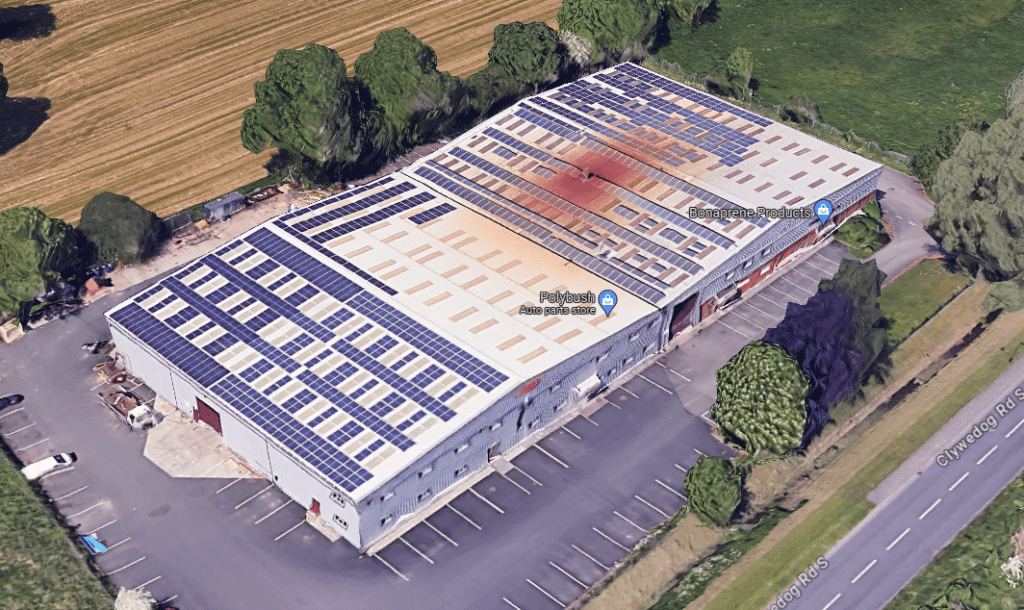
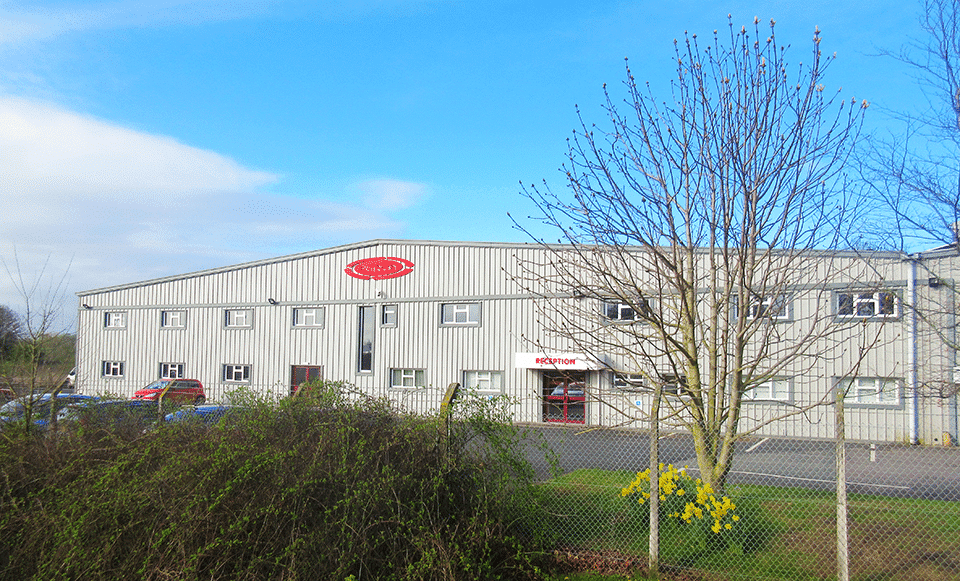
When you buy a Polybush polyurethane suspension bush, you’re buying a product that has been designed, manufactured, inspected, packed and dispatched from our facility in Wrexham, North Wales.
Everything is done on-site!
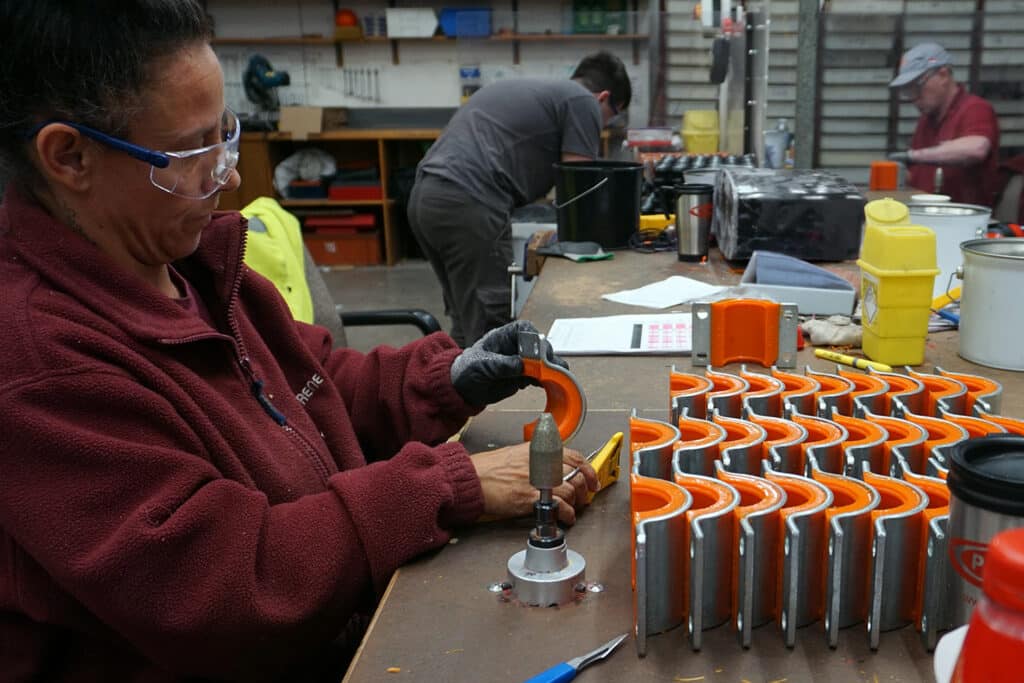
From designing and machining the tooling to casting, curing and trimming the polyurethane, right through to packing, warehousing and dispatch, the complete manufacturing process takes place at our Wrexham facility.
For Polybush, UK manufacturing isn’t simply a statement on a website. It’s the way we operate every day.
A complete polyurethane manufacturing process
Polybush specialises in polyurethane suspension bushes and components for a wide range of vehicles and applications. By keeping the key stages of manufacturing in-house, we have greater control over the products we make and the processes used to manufacture them.
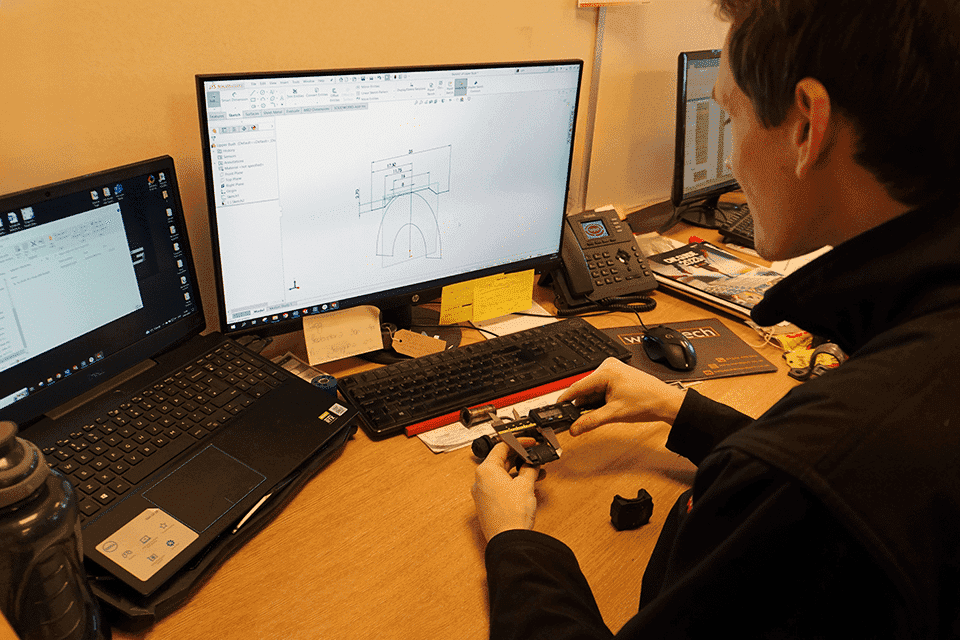
1. Tooling design
Every polyurethane component starts with the right tooling.
Our team designs the tooling required for each component, taking into consideration the vehicle application, dimensions, material requirements and intended use.
Because tooling design is carried out in-house, we can develop and refine our tooling as part of the product development process rather than relying entirely on an external supplier.
2. Tooling manufacture and machining
Once the tooling has been designed, we machine it ourselves at our Wrexham facility.
This gives us direct control over the tooling’s manufacture and dimensional accuracy for producing our polyurethane components.
For vehicle-specific suspension bushes, that control is particularly important. A bush needs to fit correctly within the intended suspension system and perform consistently in its application.
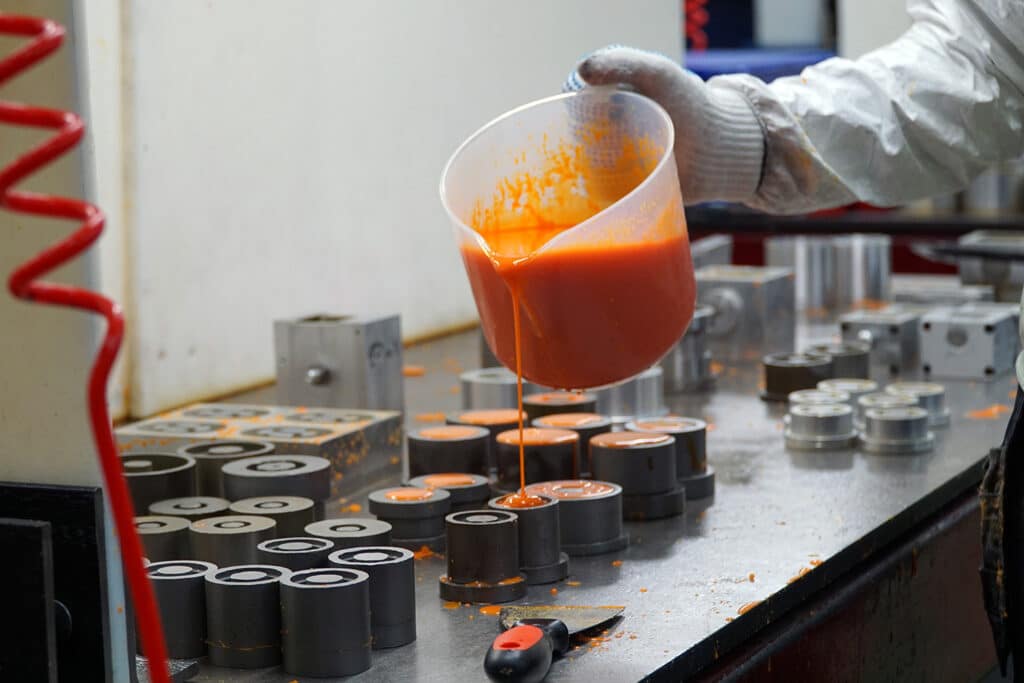
3. Polyurethane casting
With the tooling prepared, the polyurethane can be cast.
Different vehicles and applications can require different characteristics from a suspension bush. Polybush offers a range of polyurethane grades designed to provide different levels of comfort, performance and response.
The casting process takes place at our Wrexham facility, keeping our manufacturing expertise and production processes together under one roof.
4. Curing
Following casting, the polyurethane needs to cure correctly.
Curing is a critical part of polyurethane manufacturing, allowing the material to achieve its intended physical properties before the component moves on to the finishing stage.
Keeping this process in-house gives us direct control over this important part of production.
5. Trimming and finishing
Once cured, the components are removed from the tooling and trimmed. Any excess material is removed, and the finished bush is prepared for inspection and packing.
At this stage, what started as a designed component and carefully prepared tooling becomes a finished polyurethane suspension bush ready for its intended vehicle application.
6. Quality and ISO 9001
Quality is built into the manufacturing process rather than checked at the end.
Polybush operates within an ISO 9001 quality management system, providing a structured framework for maintaining consistent processes and quality standards throughout our manufacturing operation.
For our customers, this provides additional confidence that we’re not simply buying in finished products and putting our name on them. We control the manufacturing process ourselves, from tooling through to the finished component.
For a manufacturing business, energy consumption is an important consideration. Generating a significant proportion of our electricity on-site helps reduce our reliance on electricity from the grid while allowing us to continue manufacturing our polyurethane products here in the UK.
It’s another example of our approach to manufacturing: investing in our own facilities and maintaining control over the processes that support our products.
7. Packing
Once a component has been manufactured and finished, it is packed at our Wrexham facility. Products can then be prepared for direct customer orders or supplied through our network of specialist distributors. Where possible, we try to be as green as we can, so all of our packaging is made of recycled material, allowing you to compost/reuse/recycle when it arrives with you.
8. Warehousing
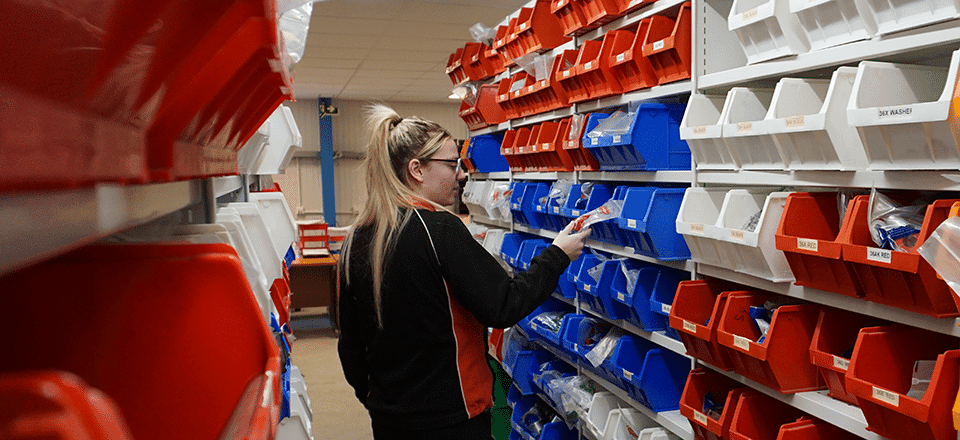
Our products are also warehoused and managed from Wrexham.
With a large range covering modern vehicles, performance applications, commercial vehicles and classic cars, effective stock management is an important part of keeping products available when customers need them.
9. Dispatch
The final stage is dispatch.
Products leave our Wrexham facility for customers throughout the UK and for distributors and customers around the world.
So while Polybush products may end up on vehicles across the globe, their manufacturing journey starts and finishes at our facility in North Wales.
Why manufacturing in-house matters
For us, manufacturing in-house isn’t simply about being able to say that our products are Made in the UK.
It gives us control, when the design, tooling, machining, casting, curing, trimming, packing, warehousing and dispatch processes are connected, we can maintain a much closer relationship with the product throughout its entire journey.
It also means that our engineering and manufacturing knowledge remains within the business. If tooling needs to be developed or modified, we have the capability to work on it.
If a product needs further development, our manufacturing expertise is already on-site. If a customer has a technical question about a component, we are much closer to the people and processes involved in making it.
That level of control is particularly valuable when manufacturing vehicle-specific polyurethane suspension components.
Polyurethane suspension bushes made for specific applications
Polybush isn’t simply a generic polyurethane parts supplier.
Our range has been developed around specific vehicles, suspension systems and applications. We manufacture polyurethane suspension bushes for a wide variety of vehicle manufacturers, from modern road and performance vehicles through to commercial vehicles, classic cars and specialist applications.
Our different polyurethane grades also give customers options based on how their vehicle is used and the characteristics they want from their suspension. Whether the priority is maintaining a comfortable road-going vehicle, improving suspension response or creating a more performance-focused setup, choosing the appropriate polyurethane bush and grade is important.
Although our manufacturing takes place in Wrexham, Polybush is an international business.
We work with many distributors across the world, with many specialising in particular vehicle manufacturers, brands or sections of our product range. This means customers in different markets can benefit from local specialist knowledge while still purchasing polyurethane suspension products manufactured by Polybush in the UK.
Our distributor network is an important part of making our products accessible internationally, while our manufacturing remains firmly based in Wrexham.
From Wrexham to the world
There are many stages involved in producing a polyurethane suspension bush. At Polybush, those stages are connected under one roof.
Design. Machine. Cast. Cure. Trim. Inspect. Pack. Warehouse. Dispatch. All from Wrexham!
Combined with our ISO 9001 quality management system, in-house engineering and manufacturing capabilities, and our investment in rooftop solar generation, this gives us control over more of the process than simply outsourcing production.
And that matters because the quality of a finished polyurethane suspension bush starts long before it reaches the vehicle.
It starts with the design, the tooling, the materials and the manufacturing process.
That’s what UK manufacturing at Polybush means.
Looking for UK-manufactured polyurethane suspension bushes?
Explore our range of polyurethane suspension bushes by vehicle make and model to find the products available for your application – HERE
If you are looking for a Polybush distributor, our international distributor network includes specialists covering specific vehicle brands and sections of our product range – HERE
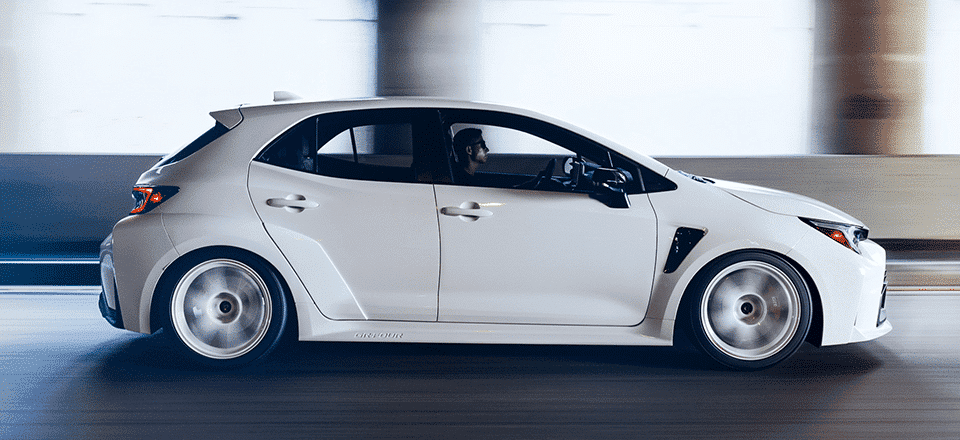
The ToyotaGR Yaris doesn’t need much introduction. It is one of those cars that feels special before you’ve changed a single thing. Toyota built it with motorsport thinking, four-wheel drive and a chassis designed to cope with serious abuse. The GR Corolla follows the same philosophy, giving enthusiasts a genuinely capable performance car that works just as well on the road as it does when you’re pushing hard.
But even on a car as good as the GR Yaris or GR Corolla, there is always room to improve the connection between you and the road.
That’s where Polybush polyurethane suspension bushes come in.
We’ve developed our GR Yaris and GR Corolla suspension bushes with enthusiasts, for enthusiasts. They’re designed to reduce unwanted suspension movement, improve steering response and help the car maintain its alignment when you’re braking, accelerating and cornering hard.
And importantly, we’ve designed them for real-world cars. You can drive your GR Yaris to the track, enjoy the track, and drive it home again.
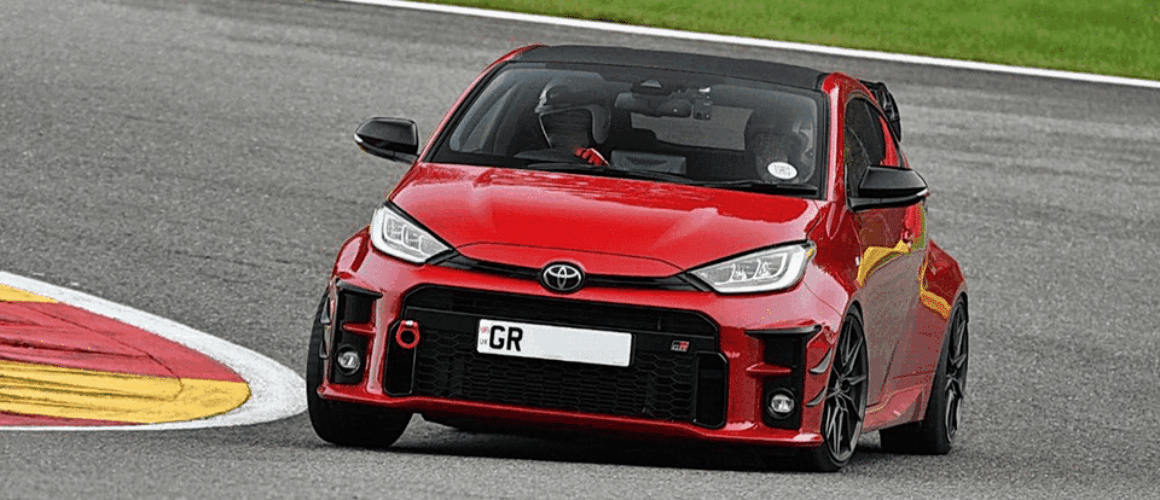
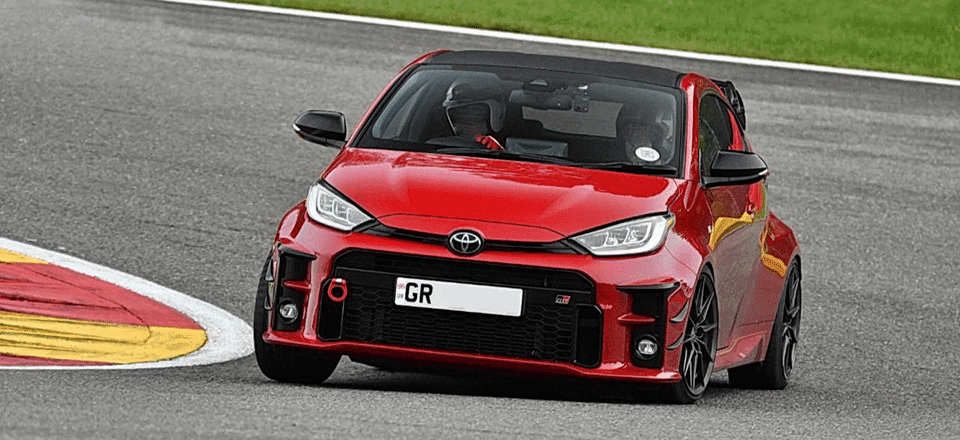
Our Distributor GT4-Play using a fully Polybush kit on their GR Yaris
The Problem: Your GR Yaris Suspension Bushes Have a Difficult Job
Suspension bushes might not be the most exciting parts of a performance car, but they have a huge influence on how that car behaves.
The standard Toyota suspension uses rubber bushes to allow controlled movement between suspension components. That’s important for ride comfort and refinement, but rubber also flexes under load.
Think about what happens when you brake hard for a corner.
The suspension is loaded. The wishbones and control arms are trying to move. The rubber bushes deform. Then you turn into the corner, accelerate out and load the suspension in another direction.
That movement is part of the reason manufacturers use rubber — it helps deliver a comfortable road car — but it can also mean that the suspension isn’t held as firmly as you’d like when you’re driving enthusiastically; For a GR Yaris or GR Corolla owner, that can mean:
Less precise steering response
Unwanted suspension movement
Changes in suspension geometry under heavy loads
Reduced consistency through corners
A less connected feeling from the chassis
Rubber bushes that deteriorate with age, road grime and mileage
The answer isn’t necessarily to turn your road car into a race car. The answer is to control the movement that you don’t want. That’s exactly what we designed Polybush to do.
The Polybush Solution: More Control Without Ruining the Car
Polybush polyurethane suspension bushes are firmer than standard rubber bushes, reducing unwanted deflection while allowing the suspension to do its job.
That means when you’re asking more from your GR Yaris or GR Corolla, the suspension stays more controlled.
Resulting in Sharper response. Better feedback. More predictable handling. But there’s an important distinction between our approach and some of the more extreme motorsport-style solutions available.
We deliberately didn’t develop these bushes to make the GR Yaris uncomfortable.
The GR Yaris is a road car first for many owners. It’s your weekend toy, your daily driver, your B-road weapon and your track-day car — sometimes all in the same week.
That’s why our bushes have been developed to maintain the character of the car while giving you more control.
Polybush’s own development work on the GR Yaris involved experienced racing drivers and specialists, with the aim of creating bushes that improve drivability without the noticeable increase in NVH associated with more extreme pillowball or rose-jointed solutions.
The Full List Of Polybush Suspension Bushes For The GR Yaris
GR Yaris Suspension Bushes: The Complete Polybush Approach
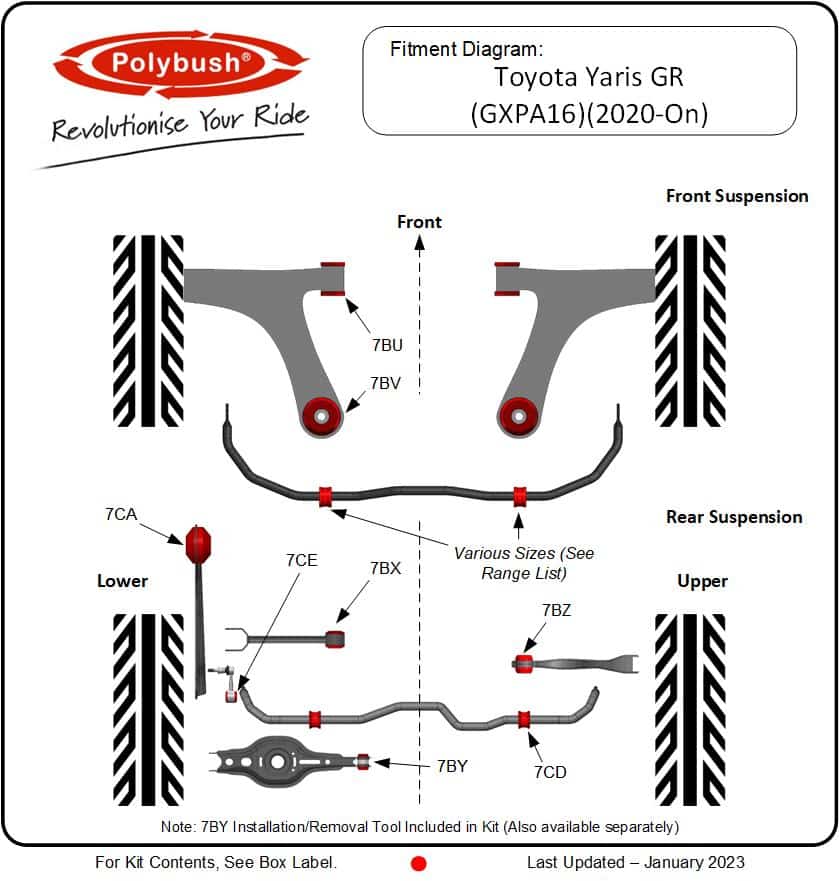
We are proud to offer a complete polyurethane suspension bush kit for the ToyotaGR Yaris GXPA16. The range covers the major suspension mounting points, allowing owners to upgrade individual areas or build a complete bush setup.
The front wishbone bushes are particularly important for steering feel and control – As the front suspension is loaded under braking and cornering, controlling unwanted movement helps the front end feel more immediate and predictable.
The 7BU is a direct replacement polyurethane bush and is supplied as a pair.
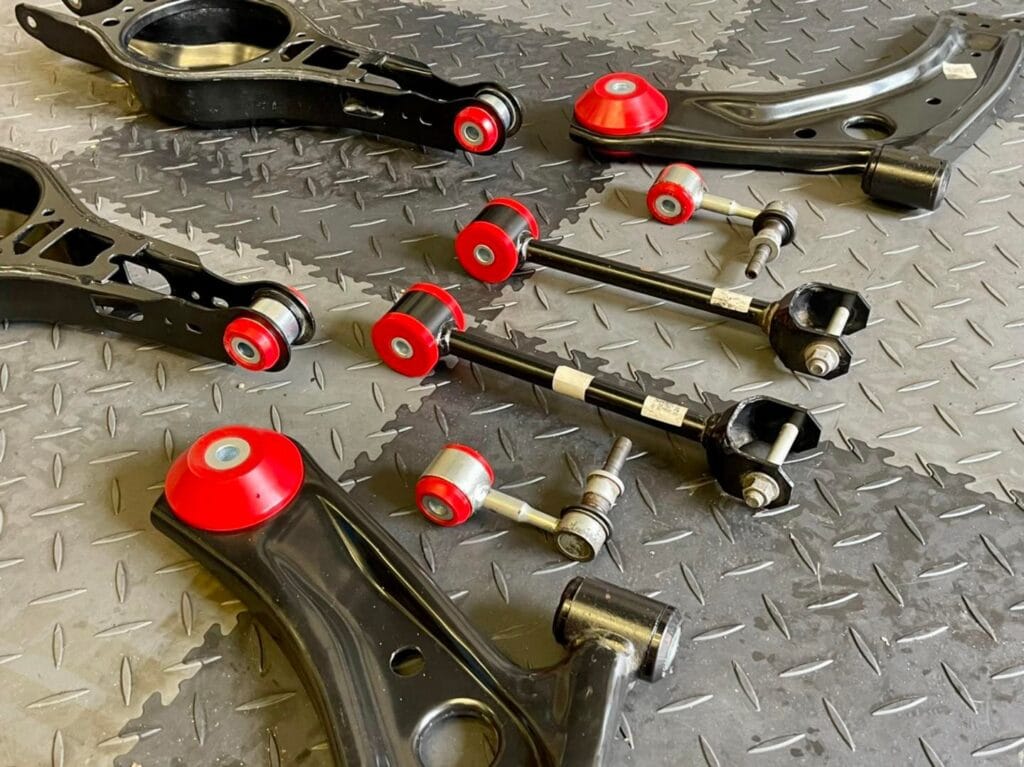
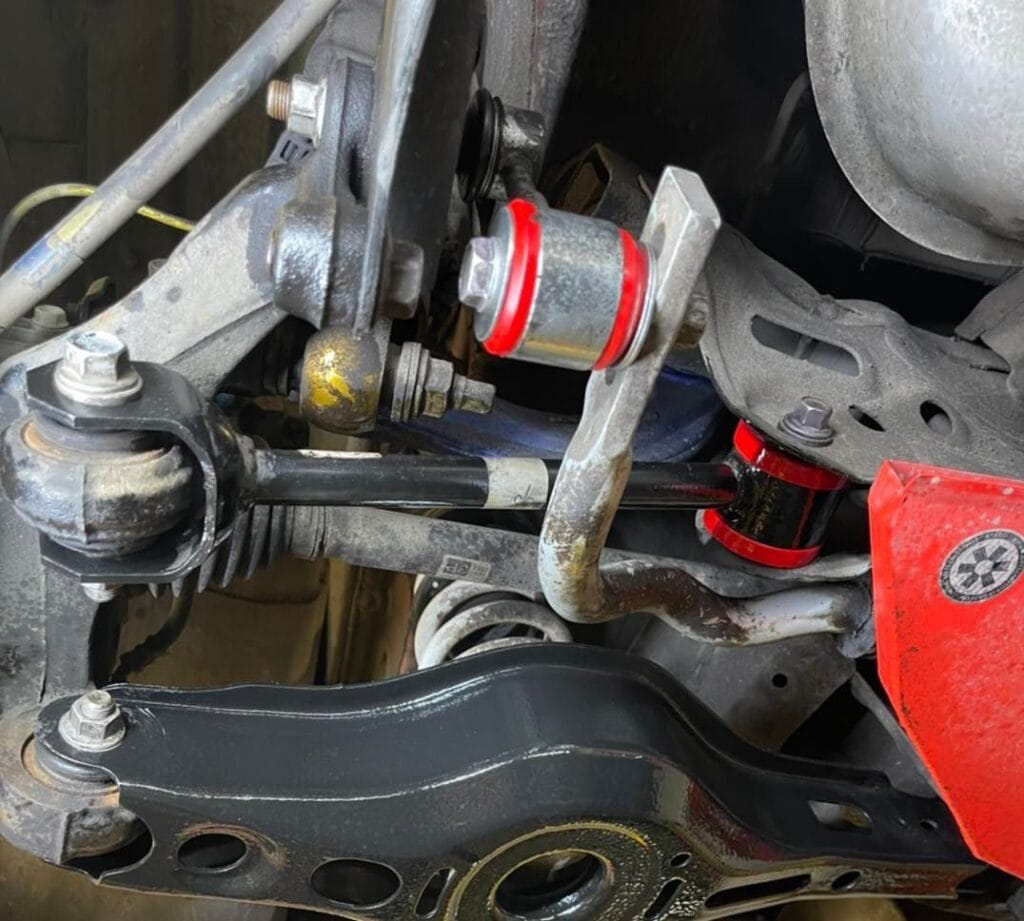
GR Yaris Suspension Bushes Fitted To OEM Toyota Suspension Arms
These bushes work together to give the rear suspension better control under load. The 7BY is particularly interesting because it is also shared with the GR Corolla.
The 7CA rear trailing arm bush is another shared GR Yaris/GR Corolla application, with Toyota OE reference 48725-47120.
Anti-Roll Bar Bushes for the GR Yaris
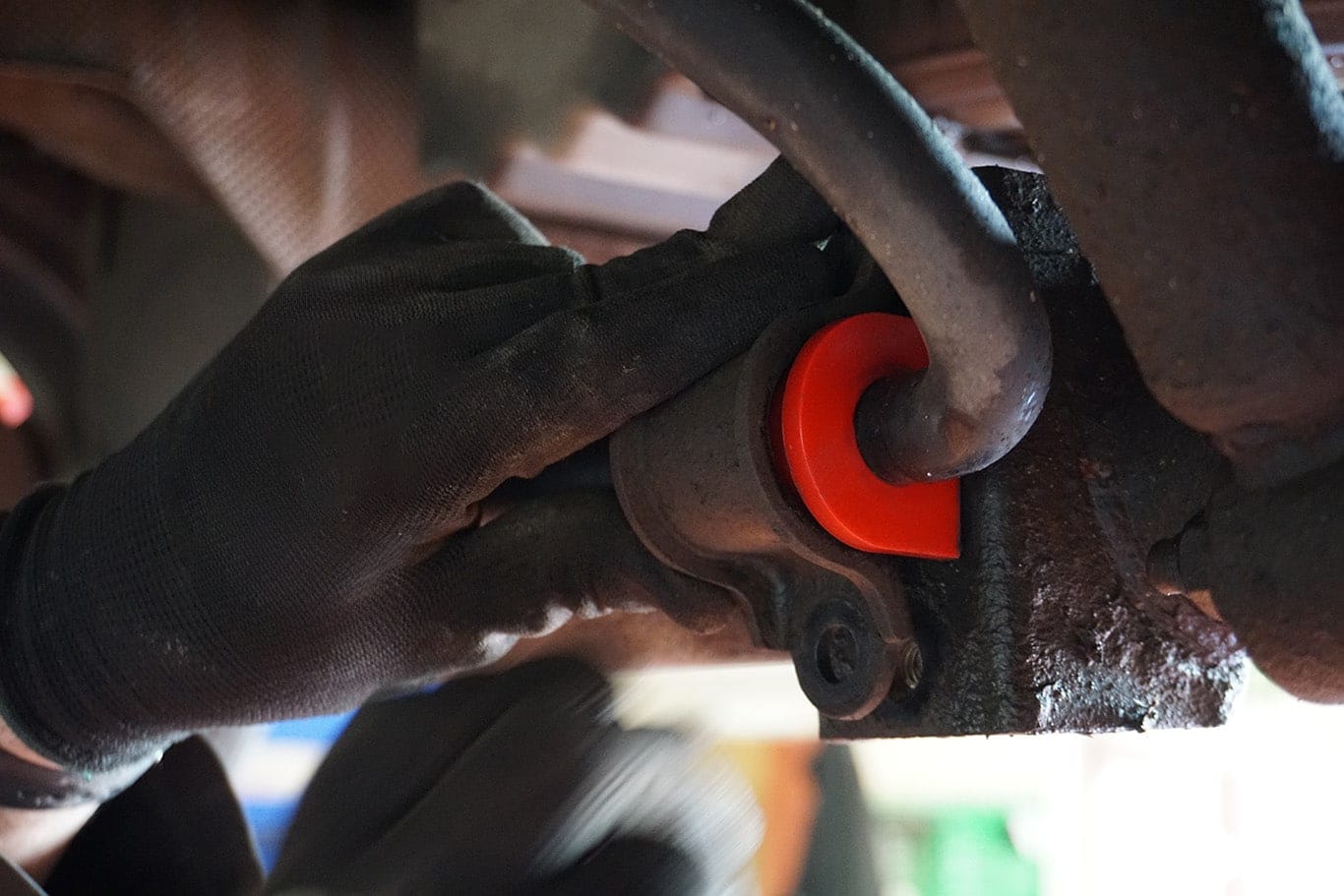
The GR Yaris is available with different front anti-roll bar specifications, so we’ve developed bushes to suit both.
If you’ve been researching GR Yaris suspension upgrades, you’ll probably have come across pillowball, spherical or rose-jointed solutions.
They have their place on a dedicated competition car, eliminating as much compliance as possible can make sense. But there’s a trade-off.
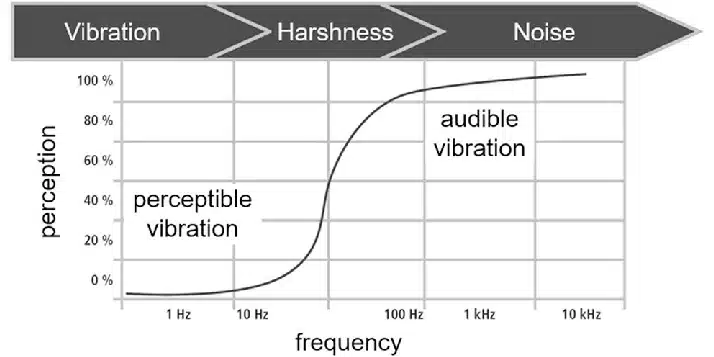
More rigid suspension joints can transmit significantly more noise, vibration and harshness into the cabin. That’s not necessarily what you want when your GR Yaris is still your road car. We took a different route – Our GR Yaris bushes were developed specifically to give enthusiasts more control without changing the fundamental character of the car.
NVH – Perceptible Vibration & Audible Vibration
So rather than building a car that is brilliant for a few laps but miserable for the drive home, we’ve aimed for something much more useful: A GR Yaris that’s better on the road and ready for the track.
The Biggest Benefit? Keeping the Alignment Where You Want It
For a performance car, suspension geometry matters. When you corner hard, the suspension is moving through its travel range while simultaneously dealing with significant lateral and longitudinal forces.
If the bushes allow excessive movement, the geometry can change as the load increases – Polyurethane reduces that unwanted deflection, which helps the suspension stay more consistent, so the car feels more predictable when you’re asking a lot of it.
It’s one of those upgrades that can be difficult to appreciate until you’ve driven a car with worn or overly compliant bushes — and then driven one where the suspension feels properly tied down. The steering feels cleaner. The chassis feels more settled. And when you turn in, you get a better sense of what the front tyres are doing.
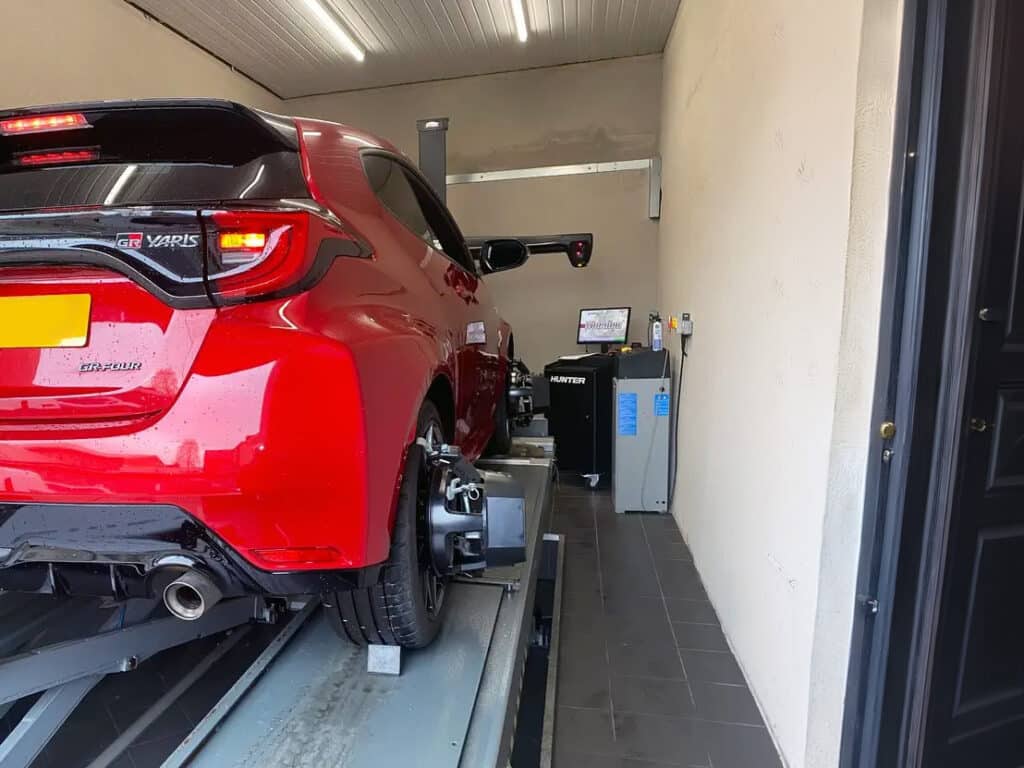
Alignment Is Kept Over The Long-Term When Installing Polybush
Polyurethane Bushes That Are Actually Designed for Road Cars
One of the reasons we developed our GR products the way we did is because we know how these cars are actually used. They’re not all garage queens!
They’re driven to work. They go shopping. They cover motorway miles. They get driven through the rain. Then, at the weekend, they might get driven very quickly indeed.
That’s why the bushes are designed to cope with everyday use as well as performance driving.
They’re:
Long lasting – resistant to oil, road grime and age-related cracking
More resistant to wear than conventional rubber
Designed to improve handling by reducing unwanted flex
Road friendly – engineered to retain OE-like comfort
Dry fit – no grease required (Grease attracts dirt, dirt creates a grinding paste, leading to noise and wear)
UV and weather resistant
Made in the UK
Manufactured to high tolerances using Polybush’s own polyurethane blend
Backed by an ISO 9001 quality system
The GR Yaris and GR Corolla Deserve Better Than a Generic Bush
There are plenty of generic polyurethane bushes available, but the GR Yaris and GR Corolla aren’t generic cars.
They’re engineered around performance, and the suspension bushes need to work with the way the chassis behaves. That’s why we didn’t simply take an existing bush design and make it harder.
We developed these products specifically for the cars, working with enthusiasts and experienced motorsport people to understand where the chassis could benefit from better control.
The result is a range of Toyota GR Yaris and GR Corolla polyurethane suspension bushes designed around real enthusiast use.
Not just track use – Not just road use. Both!
Our Distributor GT4-Play using Polybush’s on their GR Yaris
So, Are Polybushes Right for Your GR Yaris or GR Corolla?
If your GR is used as a daily driver and you want to maintain a comfortable ride while improving the way the car responds, they’re a great option.
If you’ve modified your car with different springs, dampers, anti-roll bars or wheels and tyres, better-controlled suspension bushes can help you get more from those modifications.
And if you regularly take your GR to the track, reducing unwanted bush deflection can give you a more consistent and predictable chassis.
Most importantly, you don’t have to sacrifice the thing that makes these cars so good in the first place.
You can still enjoy driving it every day.
Designed With Enthusiasts. Built for the Road. Ready for the Track.
That’s really what our GR Yaris and GR Corolla bush range comes down to.
We wanted to build suspension bushes that make the cars feel sharper and more controlled without turning them into uncomfortable race cars.
More control.
Better feedback.
Improved alignment control.
Long-lasting polyurethane.
And still perfectly at home on the road.
If you’re looking for GR Yaris suspension bushes, GR Yaris polyurethane bushes, or GR Corolla suspension bushes, take a look at the full Polybush range.
If you’ve found yourself searching for “Astra H rear suspension knocking”, “Zafira B rear axle bush replacement”, “Meriva B knocking from rear suspension” or “rear end feels loose on Astra H”, you’re certainly not alone.
The Vauxhall/Opel Astra H, Zafira B and Meriva B are all reliable cars. Still, as they get older, there’s one suspension component that almost every owner will eventually have to deal with: the rear axle bushes.
When these bushes begin to fail, they can completely change the way the car drives. The good news? Once you’ve identified the problem, you don’t have to settle for another set of rubber bushes that will quickly do the same thing again.
Common Symptoms of Worn Rear Axle Bushes
The rear axle bushes isolate vibration while controlling the movement of the rear suspension beam. Over time, the original rubber deteriorates due to age, repeated loading, exposure to oil and road contaminants, and thousands of heat cycles.
As the rubber softens or splits, you’ll often notice one or more of these symptoms:
Knocking or clunking from the rear suspension over bumps
A loose or wandering feeling from the back of the car
Reduced stability at motorway speeds
The rear of the car steps out more than it should on uneven roads
Increased tyre wear
Less confidence when cornering or braking
Rear axle movement visible during an MOT inspection
Many owners initially suspect the shock absorbers, anti-roll bar or even loose items in the boot before discovering the rear axle bushes are actually the culprit.
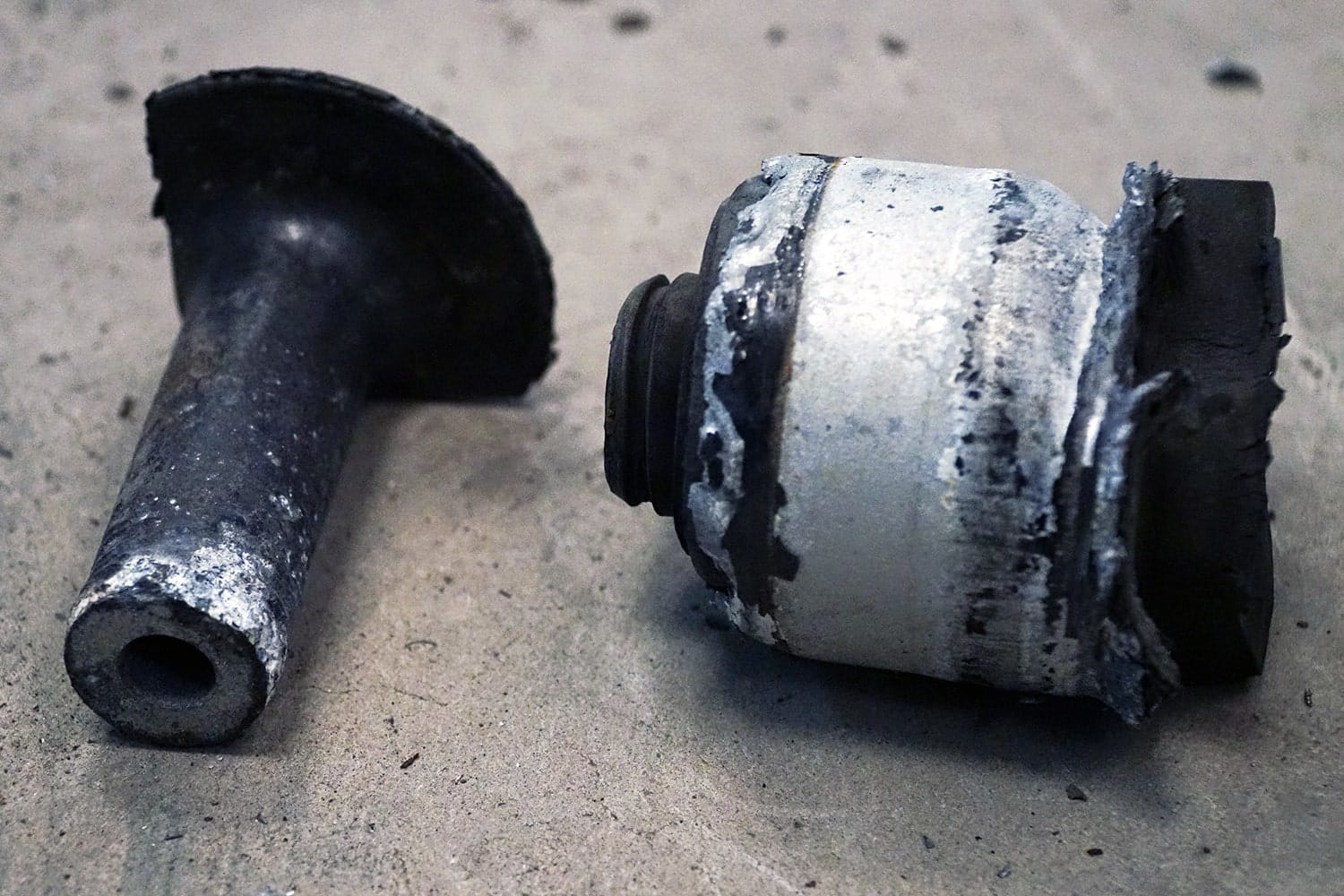
OEM Rear Axle Bush Failure – Metal De-bonded From Rubber
Why Do Astra H Rear Axle Bushes Fail?
The original bushes fitted by Vauxhall and Opel are rubber components designed with comfort and production costs in mind. That’s perfectly acceptable when the car is new.
The problem is that rubber has a limited lifespan. As the years pass it:
Cracks and perishes
Softens under repeated load
Absorbs oil and contaminants
Metal debonds
Loses its ability to properly locate the rear axle
Considering many Astra H models are now over 15 years old, it’s no surprise these bushes are becoming one of the most common suspension repairs. The same applies to the Zafira B and Meriva B, which share the same rear axle bush design.
Should You Just Fit Another Rubber Bush?
This is where many owners unknowingly make the same mistake twice.
A quick search online will reveal countless inexpensive replacement bushes. They often seem like excellent value compared to premium alternatives.
The question worth asking is:
Do you really want to be doing the same job again in a few years?
Replacing rear axle bushes isn’t the quickest suspension job. The old bushes usually need to be pressed out, corrosion can make removal difficult, and once everything is apart, you’ll want to fit the best replacement available.
A cheap rubber bush simply restarts the clock.
The Fit-and-Forget Alternative
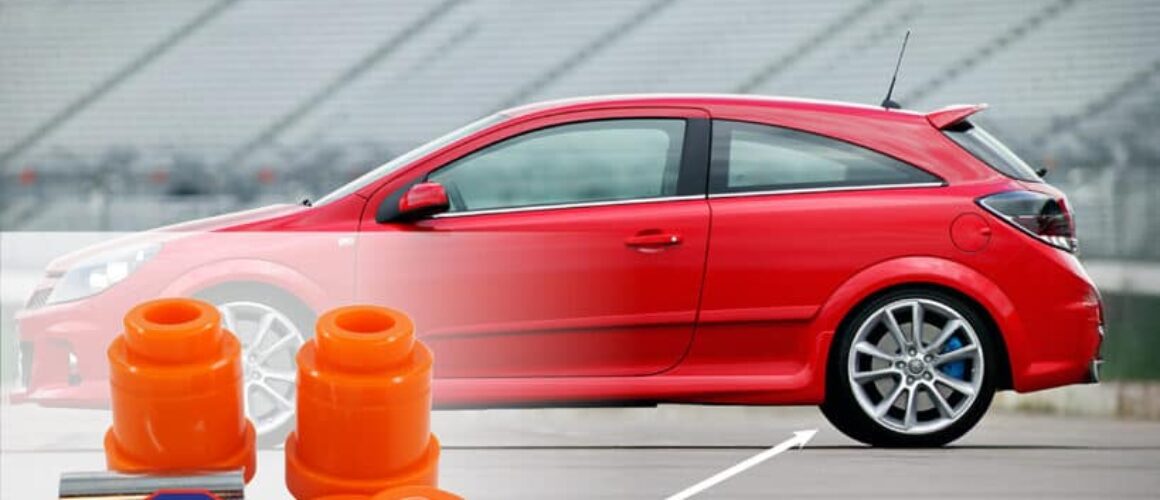
A Fit & Forget Alternative To Rubber Bushes On The Vauxhall Astra MK5
Polybush Rear Axle Bush Kit (Part No. 47L) replaces OEM part numbers:
402952
5402637
13267215
13110418
Instead of conventional rubber, our bushes are manufactured from our own specially formulated polyurethane.
This isn’t about making the suspension harsh or uncomfortable.
It’s about producing a bush that controls unwanted axle movement while maintaining the comfort expected from a daily-driven road car.
Why Polyurethane Makes Sense
Not all polyurethane bushes are created equal.
Some are overly hard, require grease during installation and have a reputation for squeaking; Polybush bushes are different.
Our unique polyurethane formulation has been developed to provide:
Excellent ride comfort
Improved rear axle control
Long service life
Resistance to oil, fuel and road contamination
Resistance to UV and weathering
Dry-fit installation with no grease required
Quiet operation
The result is a suspension bush that feels like a quality OE component—but lasts significantly longer.
Better Handling Without Sacrificing Comfort
One of the biggest misconceptions surrounding polyurethane suspension bushes is that they’re only suitable for performance cars – That simply isn’t true.
You Don’t Need A Performance Model To Benefit From Polybush
For most Astra H, Zafira B and Meriva B owners, the goal isn’t a track-day setup. It’s to make the car feel tight, predictable and comfortable again.
That’s exactly what Polybush was designed to achieve.
You’ll notice:
More stable motorway driving
Less rear-end movement over uneven roads
More precise handling
Improved braking stability
Reduced unwanted suspension flex
Without introducing harshness into the cabin.
Why Buy Quality Once?
It’s tempting to choose the cheapest bush available online. After all, from a photograph, they all look remarkably similar.
What you don’t see is the quality of the material, the manufacturing tolerances or how they’ll perform after years of real-world use.
Quality Guaranteed With Polybush
Polybush bushes are:
Manufactured in the UK
Produced to ISO 9001 quality standards
Engineered specifically for long-term durability
Trusted by enthusiasts, workshops and restorers around the world
They’re designed as a genuine fit-and-forget solution. Instead of replacing worn rubber with more rubber, you’re upgrading one of the weakest parts of the rear suspension with a component that’s built to outlast the original.
If your Astra H, Zafira B or Meriva B has developed a rear suspension knock, feels unstable or simply doesn’t drive as well as it once did, don’t overlook the rear axle bushes.
They’re one of the most common wear items on these vehicles, and replacing them transforms how the car feels.
You could fit another rubber bush and hope for the best – Or you could fit a Polybush once, restore the handling, retain the comfort and know you’re unlikely to be replacing them again anytime soon.
The rear differential mounting bushes on many popular VAG performance and four-wheel-drive models are now reaching an age where failure is becoming increasingly common. Vehicles such as the VolkswagenGolf Mk4 R32, Golf Mk4 4Motion, Audi S3 8L Quattro, Audi TT Mk1 Quattro, SEAT Leon Cupra 4 and Škoda Octavia Mk1 4×4 are all well-loved by enthusiasts, but after 20+ years on the road, the original rubber bushes can become worn, cracked and unable to properly control drivetrain movement.
Audi TT Mk1 Quattro – Rear Subframe
When owners begin restoring these cars, replacing tired suspension components or upgrading the rear subframe bushes, the rear differential Haldex cradle mounts are often the next logical step. With the differential already removed, replacing the mounting bushes prevents having to revisit the same job later and helps restore the tighter, more responsive feel these cars were known for when new.
What Does the Rear Differential Mounting Bush Do?
The rear differential Haldex cradle mounting bushes secure the differential assembly to the vehicle’s rear subframe while allowing a controlled amount of movement. The original rubber bushes are designed to absorb vibration and keep noise levels low, but over time, they naturally deteriorate.
As the rubber ages, it can become:
Cracked or split
Softer than intended
Excessively flexible
Unable to properly control differential movement
When this happens, the differential can move more than it should under acceleration, gear changes and load changes. This can lead to a less precise driving experience and a noticeable increase in drivetrain movement.
Failed OEM Bushes
Common Symptoms of Failed Differential Bushes
Worn rear differential bushes can cause several symptoms, including:
Clunks or knocks from the rear of the vehicle
Excessive drivetrain movement when accelerating or lifting off
A less responsive feeling when changing direction
Increased movement through the drivetrain under load
A feeling that the power delivery is less controlled
On higher-mileage examples of these cars, these symptoms are often mistaken for gearbox, driveshaft or differential problems, when the cause can simply be worn mounting bushes.
Vehicles That Use Polybush 44GD Rear Differential Mounting Bush Kit
2 x Polyurethane rear differential mounting bushes
Weight: 0.6kg
OEM references:
1J0-599-257-B
1J0-505-235-F
Why Replace Rubber Differential Bushes With Polyurethane?
Unlike traditional rubber bushes, Polybush polyurethane bushes are designed to maintain their properties for much longer. They are resistant to oil, road grime, UV exposure and the ageing process that causes standard rubber bushes to deteriorate.
Comparrison between OEM Differential Haldex Cradle Bushes Vs Polybush 44GD
The benefits include:
Improved Drivetrain Control
Polyurethane is firmer than standard rubber, reducing unnecessary differential movement under acceleration. This allows the drivetrain to respond more directly and helps the vehicle put power down more effectively.
OEM+ Road Feel
For road-driven cars, the Dynamic Black material provides an ideal balance between improved control and everyday comfort. It is a great choice for restored vehicles, fast-road builds and cars that still see regular use.
OEM+ Differential Bush
Increased Performance Capability
For modified cars and higher-powered builds, the Performance Red version offers increased stiffness for drivers seeking maximum drivetrain control.
Long-Term Durability
Polyurethane bushes are built to last significantly longer than the original rubber components, making them a worthwhile upgrade when refreshing an older performance vehicle.
The Ideal Upgrade During a Rear Subframe Refresh
Many owners of Mk4 R32s, Audi S3s and TT Quattros are now undertaking major refresh projects, including powder-coating rear subframes, replacing suspension bushes and restoring components that have suffered from years of use.
Because the rear differential needs to be removed to access the mounting bushes, it makes sense to replace them at the same time. Doing the job properly once saves time, labour and frustration later.
A fresh set of differential bushes can transform how the car feels, bringing back the tighter, more connected driving experience these cars are famous for.
Upgrade Your Rear Differential Mounting Bushes With Polybush
Manufactured in the UK using Polybush’s unique polyurethane compound, the 44GD Rear Differential Haldex Cradle Mounting Bush Kit provides a durable, direct replacement solution for ageing VAG quattro and 4Motion vehicles.
Whether you are restoring a Volkswagen Golf Mk4 R32, maintaining an Audi S3 8L Quattro, or preparing a modified TT Mk1 Quattro, upgrading the differential bushes is a simple way to improve drivetrain control and reliability.
When you’re upgrading your suspension bushes, it’s natural to ask one question before anything else: which hardness should I choose?
Hardness Options: Comfort- Dynamic – Performance
At Polybush, we manufacture polyurethane bushes in different material grades to suit different vehicles, driving styles and applications. Whether you’re restoring a classic car, improving the handling of your daily driver or building a dedicated track car, selecting the right material can make a noticeable difference to how your vehicle performs.
However, you won’t always see multiple hardness options listed on our website.
That’s entirely intentional.
If we don’t offer a choice of hardness for a particular bush, it’s because we’ve already selected the material that delivers the best balance of ride comfort, handling, durability and longevity for that specific suspension location. Every product is developed with the vehicle’s suspension design in mind, so you can order with confidence knowing we’ve already done the engineering.
What Does Polyurethane Hardness Mean?
Polyurethane hardness is measured using the Shore A scale. In simple terms:
A lower Shore A rating produces a softer, more compliant bush.
A higher Shore A rating creates a firmer bush with less deflection under load.
It’s easy to assume that harder is always better, but that’s rarely the case.
Every suspension bush has a specific job to do. Some locations need more compliance to allow suspension articulation and absorb vibration, while others benefit from a firmer material to maintain suspension geometry under cornering, braking and acceleration.
That’s why we don’t use a one-size-fits-all approach.
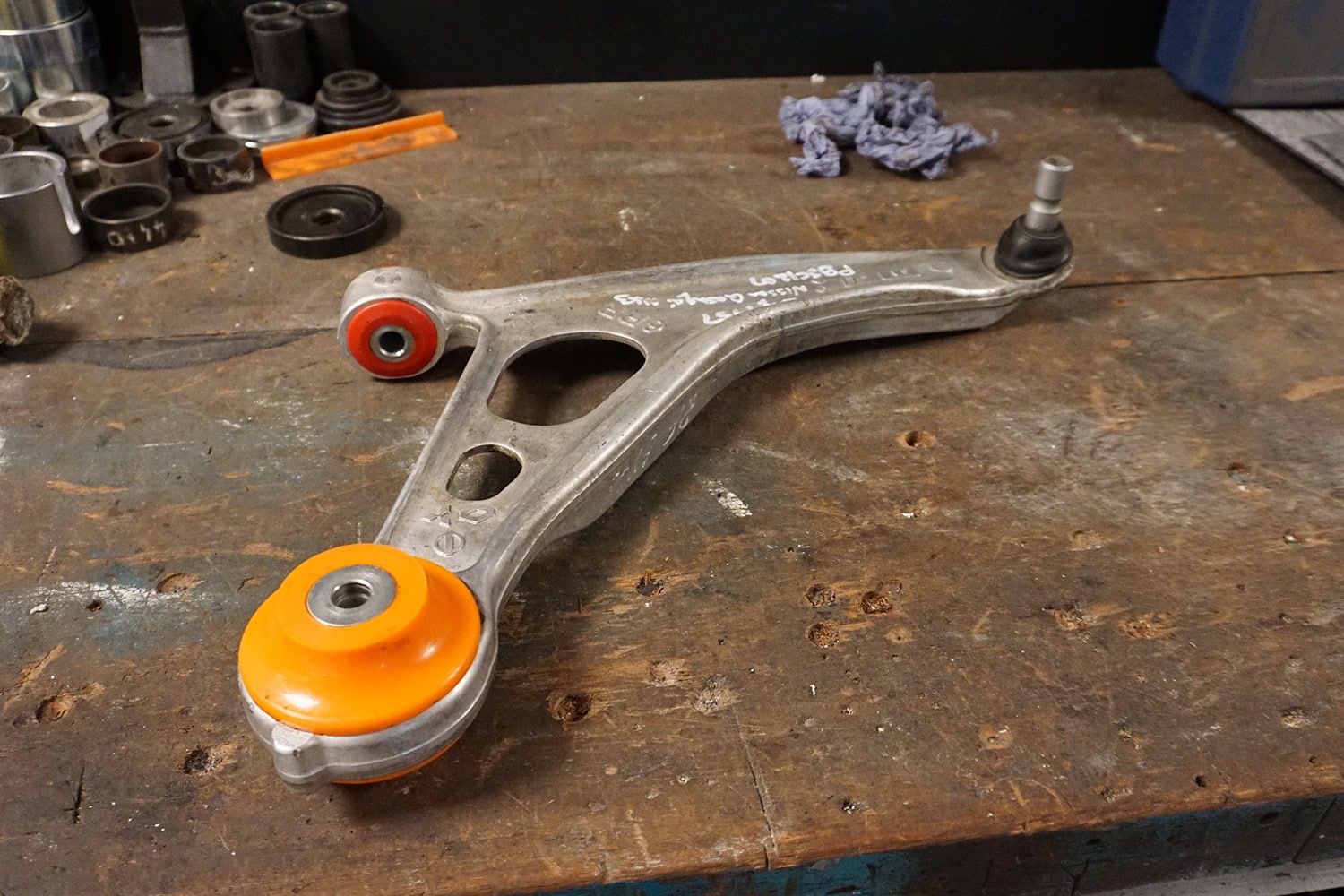
Different grades of Polyurethane are required on the Nissan Qashqai
Why Do Some Vehicles Have More Hardness Options Than Others?
One of the most common questions we receive is why some vehicles are available in Comfort, Dynamic and Performance grades, while others only come in a single material.
The answer is simple: vehicle suspension has changed dramatically over the last 50 years.
Classic cars and older Land Rovers were designed around relatively soft rubber bushes. At the time, suspension relied on a significant amount of bush movement to deliver ride comfort and allow the suspension to work effectively. Take a JaguarE-Type as an example. The original rubber bushes were considerably softer than the bushes found on most modern vehicles, because that’s exactly what the suspension was engineered around.
Today, suspension design is very different.
Modern cars are generally heavier, faster, more powerful and capable of generating far greater braking and cornering forces. Manufacturers have also developed much more sophisticated suspension geometry with far tighter tolerances than older vehicles.
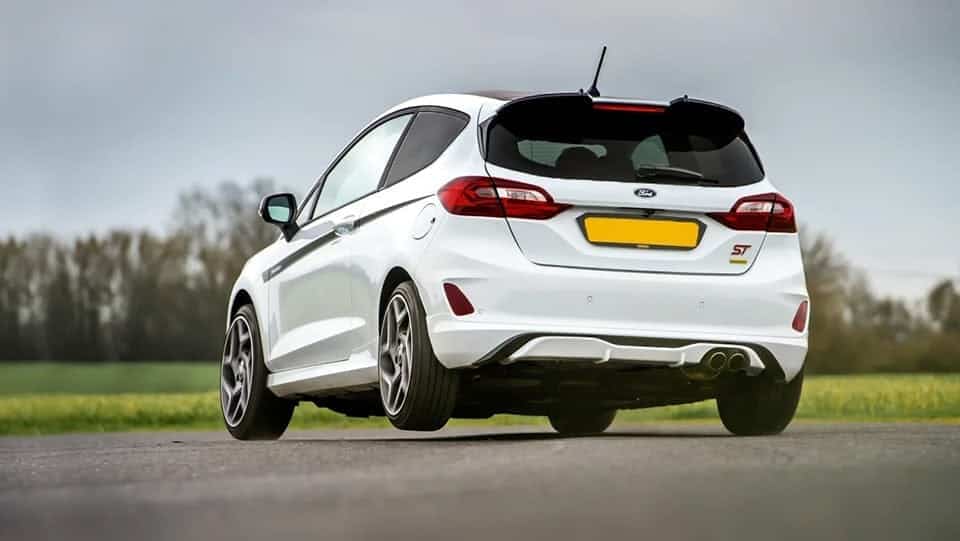
Ford Fiesta Mk8
As a result, the original rubber bushes fitted to many modern vehicles are already significantly stiffer than those fitted to classics. Although manufacturers still use rubber due to the ease of manufacturing in volume, rather than polyurethane, the stiffness of those bushes is often comparable to our firmer polyurethane compounds.
It isn’t unusual for an everyday modern hatchback with a modest engine to require a bush equivalent in stiffness to our 85A Performance material, simply because that’s what the suspension was designed to use.
That’s why you’ll often find we offer multiple hardness options for classics and Land Rovers, allowing owners to choose between originality, improved road manners or outright performance.
For many newer vehicles, however, there’s simply no benefit in offering softer alternatives. We’ve already selected the material that best matches the vehicle’s original suspension design, ensuring it performs exactly as intended while providing all the durability advantages of polyurethane.
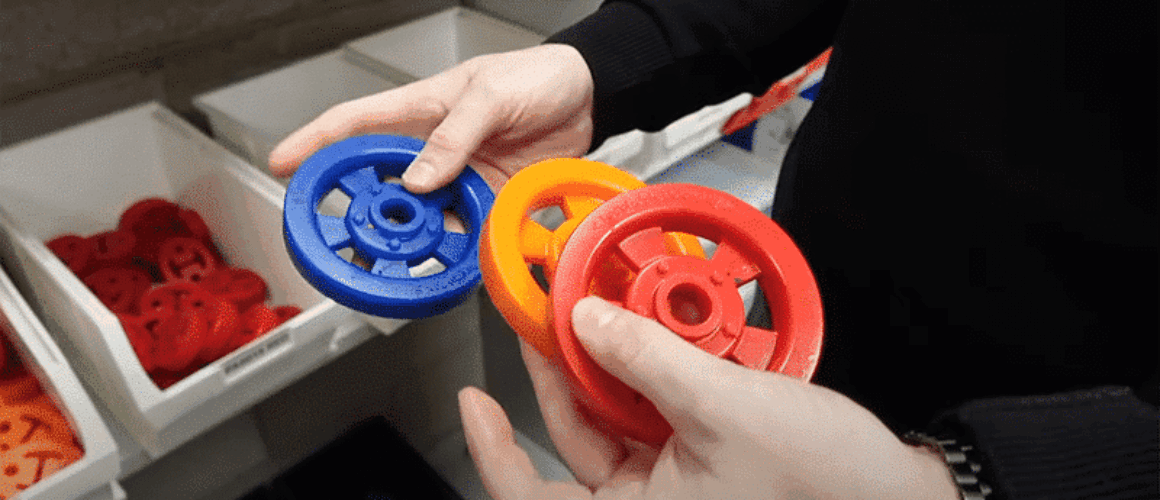
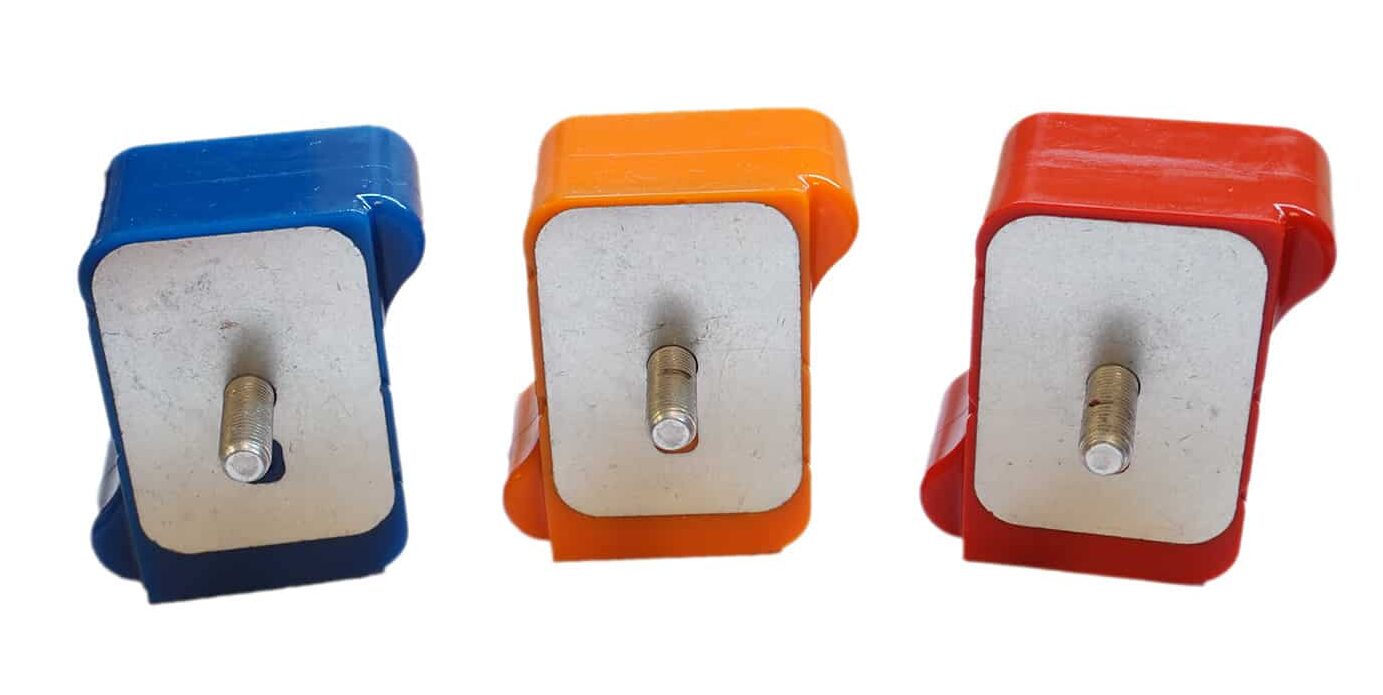
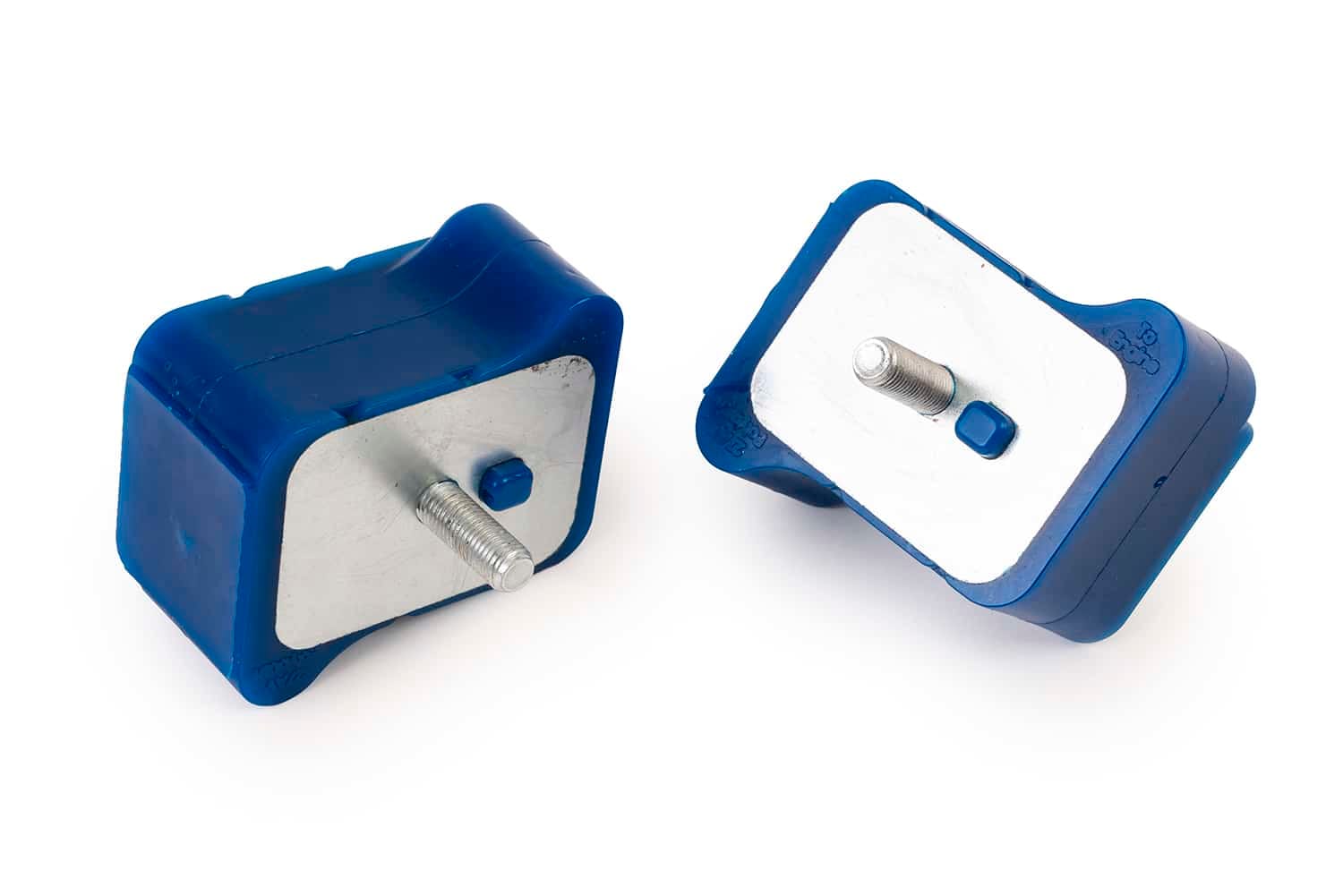
Comfort Grade (Blue – 65 Shore A)
Comfort Grade Polybush – Mazda Engine Mounts
Our Comfort bushes are designed for drivers who want to preserve ride quality while enjoying the long-term durability of polyurethane.
Manufactured from 65 Shore A polyurethane, these bushes provide the greatest suspension articulation while absorbing bumps, vibration and road noise more effectively than firmer materials.
They’re especially popular on:
Classic cars
Land Rovers
Touring vehicles
Everyday road cars of yesteryear
Restorations where maintaining the original driving character is important
Comfort bushes retain much of the relaxed, compliant feel associated with factory suspension while lasting significantly longer than traditional rubber.
Ideal for:
Daily driving
Classic vehicle restoration
Off-road vehicles requiring maximum suspension articulation
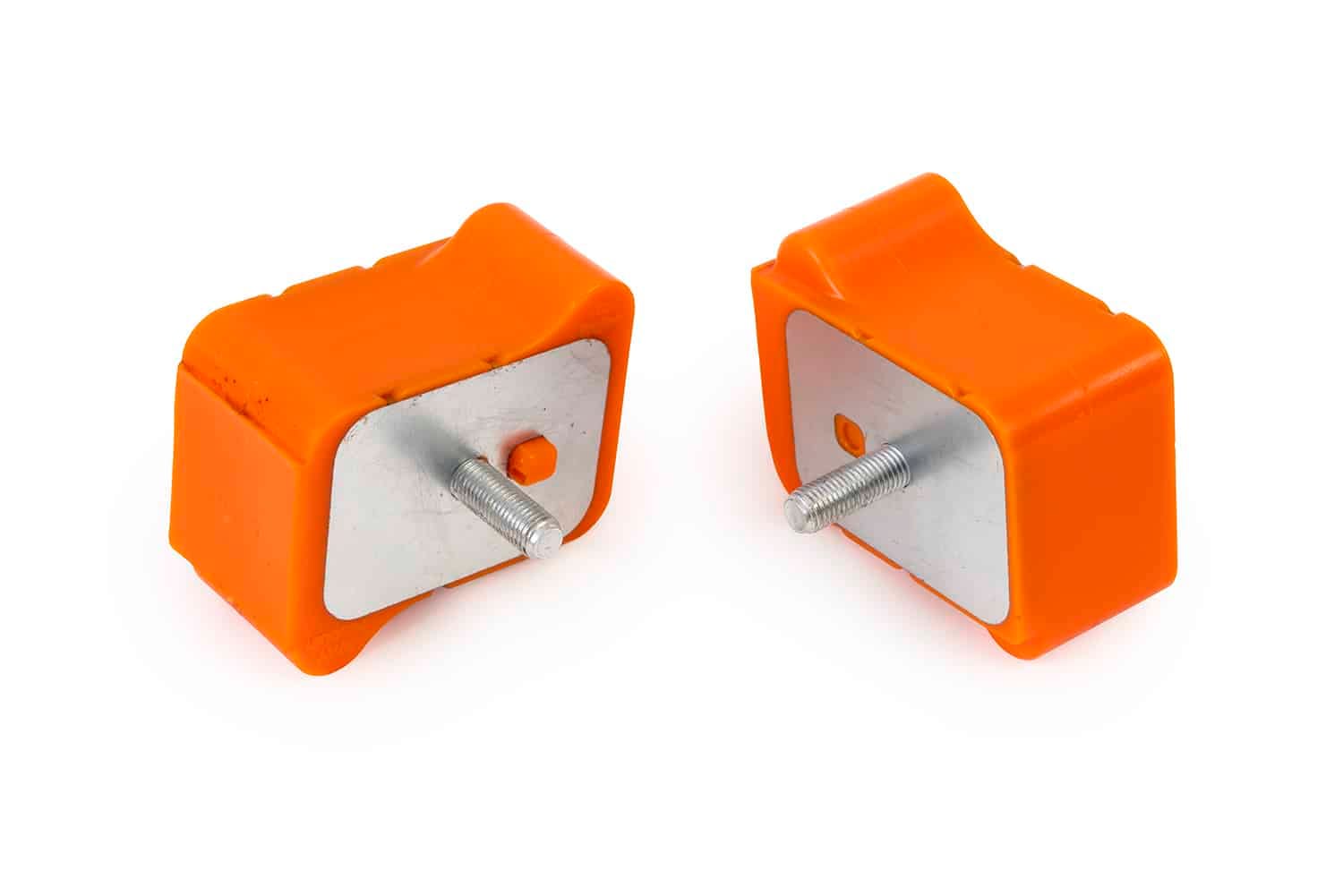
Dynamic Grade (Orange – 75 Shore A)
Dynamic Grade Polybush – Mazda Engine Mounts
Our Dynamic grade offers the ideal middle ground.
At 75 Shore A, these bushes are firmer than Comfort, reducing unwanted suspension movement to improve steering precision and cornering response, while remaining comfortable enough for everyday driving.
For many enthusiasts, this represents the perfect balance between comfort and performance.
Dynamic bushes are equally suited to the daily commute, spirited weekend drives and occasional track days.
Ideal for:
Fast road driving
Daily driven performance cars
Lightly modified vehicles
Occasional track use
Drivers wanting sharper handling without sacrificing comfort
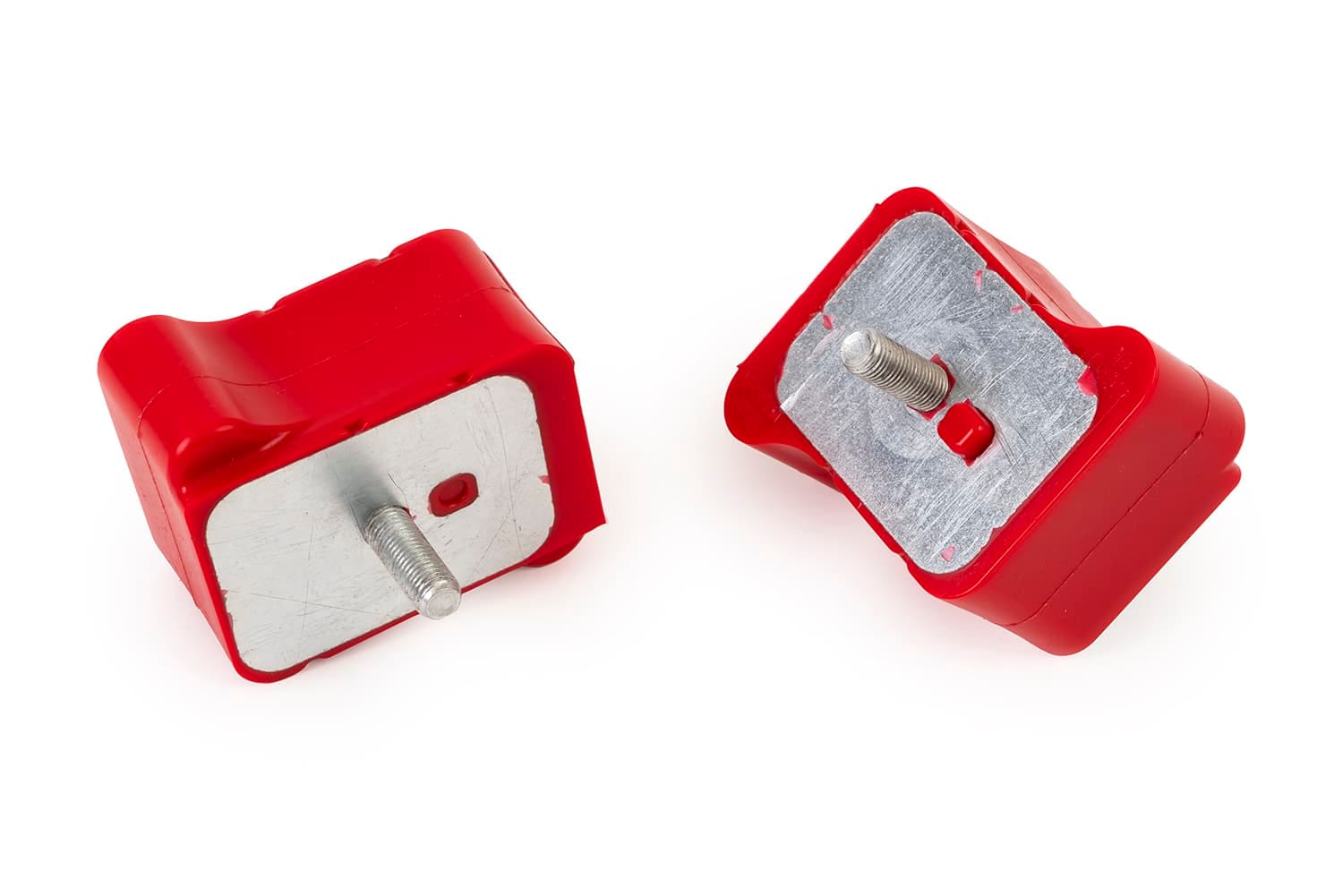
Performance Grade (Red – 85 Shore A)
Performance Grade Polybush – Mazda Engine Mounts
For drivers demanding maximum precision, our Performance bushes deliver the highest level of control.
Manufactured from 85 Shore A polyurethane, these bushes minimise suspension deflection, helping maintain accurate suspension geometry under heavy cornering, hard braking and acceleration.
The result is:
Sharper steering response
Increased stability
More consistent handling
Greater driver confidence
Improved performance when towing heavy loads
Although they naturally transmit a little more road feel than softer compounds, they’re the ideal choice for drivers who prioritise precision above outright ride comfort.
Ideal for:
Performance road cars
Track day vehicles
Motorsport applications
Highly modified vehicles
Vehicles used for towing
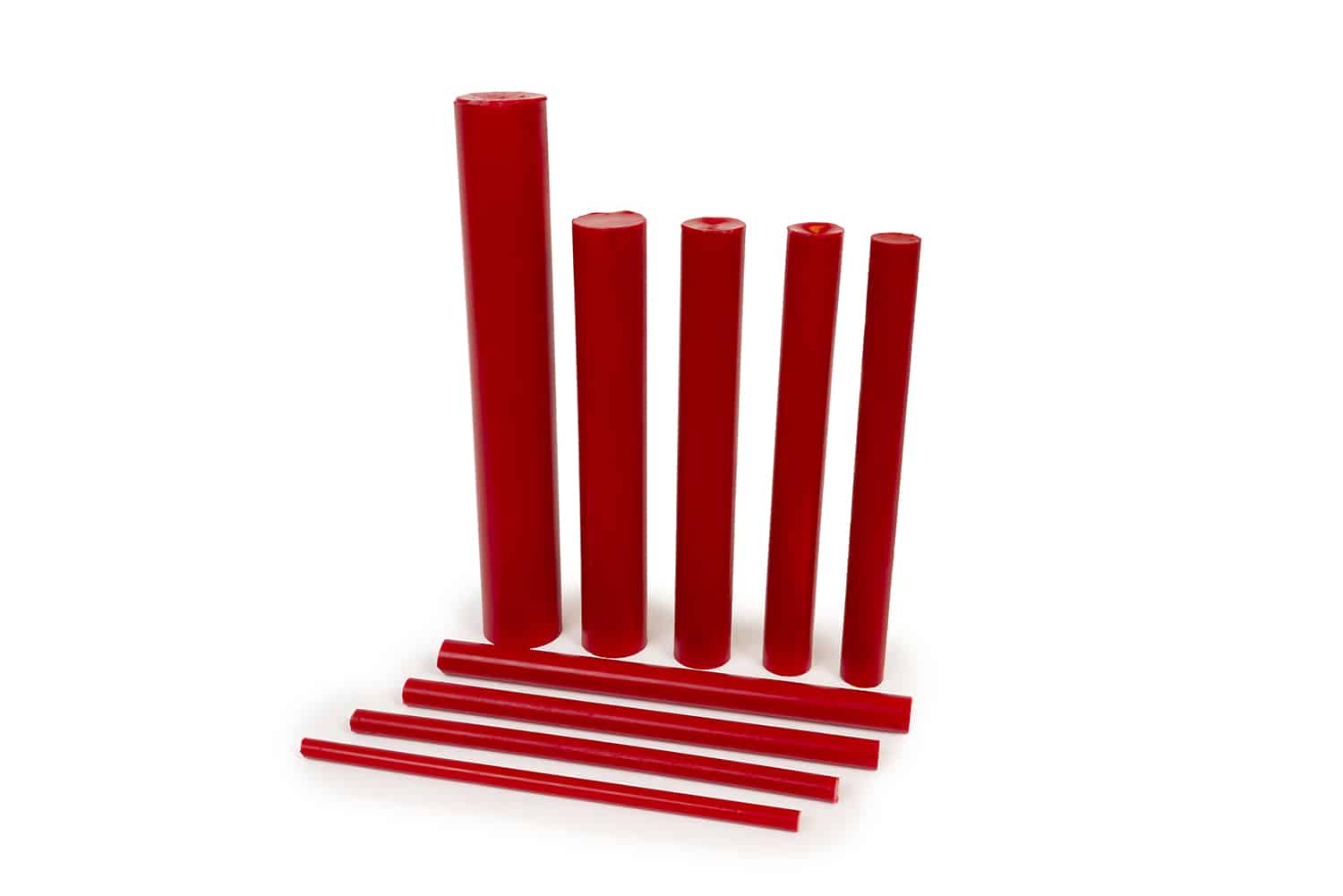
Machinable Polyurethane Material (90 Shore A)
Alongside our suspension bushes, we also manufacture machinable polyurethane rod.
Produced in 90 Shore A polyurethane, this material has been specifically formulated for machining on a lathe, making it suitable for producing custom bushes, mounts and specialist engineering components where durability and dimensional stability are essential.
Why Choose Polybush Polyurethane Bushes?
Replacing worn rubber bushes with Polybush polyurethane bushes isn’t simply about making your suspension firmer.
It’s about fitting a material that’s engineered to perform consistently for years to come.
Unlike conventional rubber, polyurethane is highly resistant to:
Oil contamination
Road grime
Chemicals
UV exposure
Weathering
Age-related cracking
This means your suspension maintains its performance for significantly longer instead of gradually deteriorating as rubber naturally ages.
Every Polybush bush is designed as a direct replacement for the original component, making installation straightforward while delivering consistent, predictable performance.
Ride comfort carefully maintained where appropriate
Excellent resistance to oil, fuel, chemicals, UV and weather
Dry-fit installation with no grease required
Precision manufacturing in the UK
ISO 9001 quality assurance
A direct replacement for the original suspension bush
Polybush Anti-Roll Bar Fitted To Electricians VW Caddy Mk3.5
Which Polybush Hardness Should You Choose?
If your vehicle offers multiple material options, choosing the right one depends entirely on how you use it.
Comfort (Blue – 65A) is ideal for owners wanting to preserve the original ride quality of classics, Land Rovers and touring vehicles while benefiting from the longevity of polyurethane.
Dynamic (Orange – 75A) provides an excellent balance between comfort and sharper handling, making it perfect for enthusiastic road driving and lightly modified vehicles.
Performance (Red – 85A) is designed for drivers seeking maximum precision, whether that’s on track, on fast road drives or when towing heavy loads.
If your chosen bush doesn’t offer a choice of hardness, there’s no need to second-guess it.
We’ve already selected the polyurethane compound that best suits that particular suspension location based on years of engineering, testing and real-world experience.
Our aim has never been to offer the greatest number of options. It’s to provide the right material for every application.
Upgrade to Polybush
Whether you’re restoring a cherished classic, maintaining a hardworking Land Rover, refreshing the suspension on your daily driver or improving the handling of a modern performance car, Polybush offers a suspension bush that’s engineered for the job.
Every bush is manufactured in the UK, built to last and developed to improve the way your vehicle drives without compromising what makes it enjoyable in the first place.
Because the best suspension bush isn’t always the hardest one. It’s the one that’s been engineered and manufactured specifically for your vehicle by people who care.
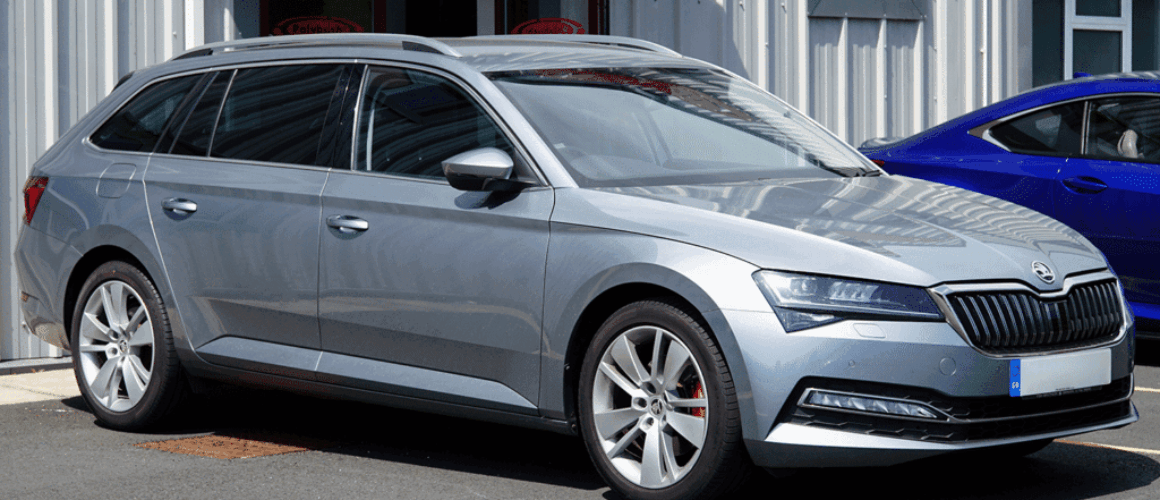
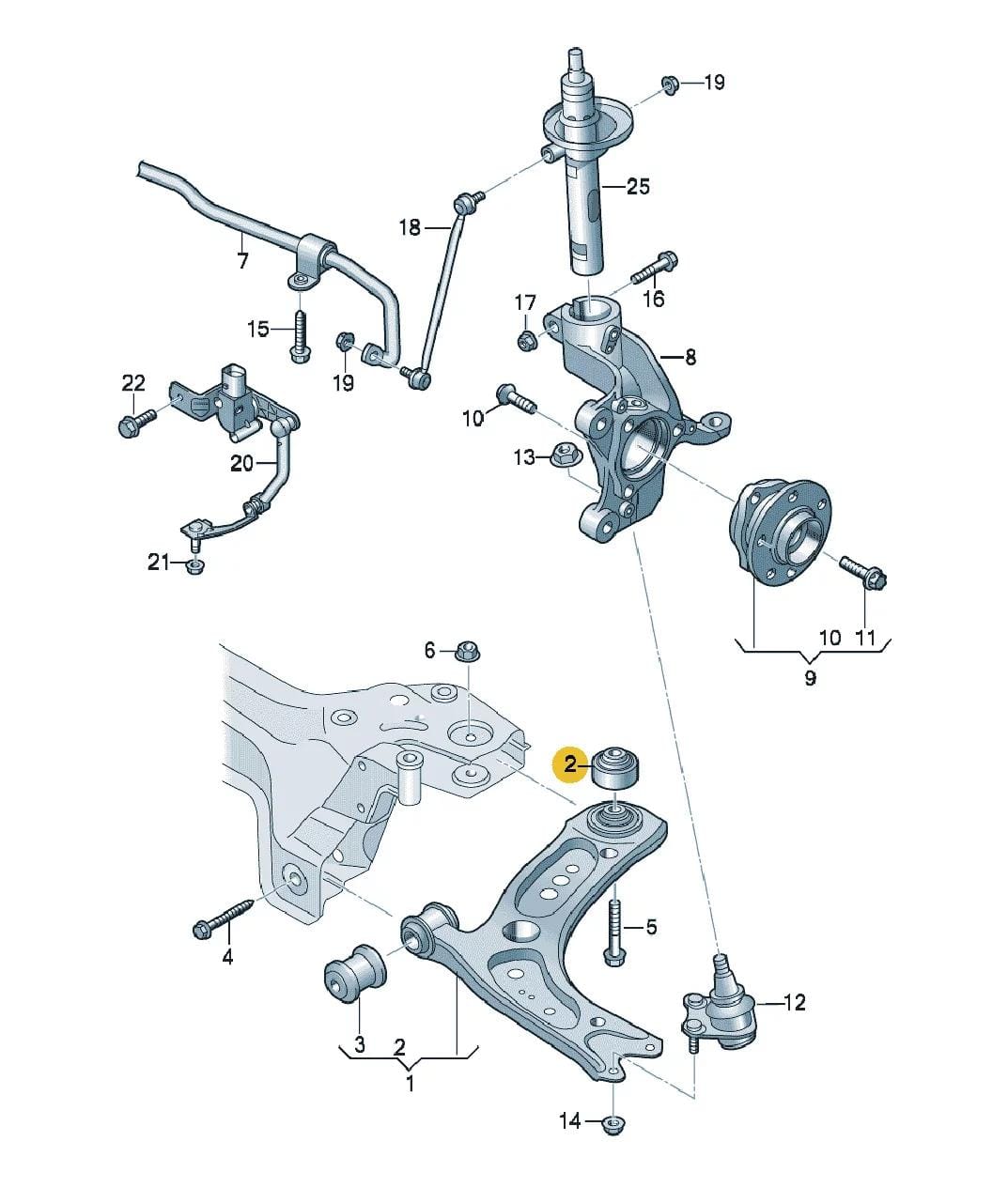
If you own a modern Skoda Octavia, Superb, Karoq, Kodiaq, Scala or Yeti and you’ve started noticing knocks, vague steering, uneven tyre wear or an MOT advisory for suspension bushes, you’re not alone. One of the most common wear points across the VW Group range is the front wishbone rear bush — the large bush that controls fore-aft movement of the lower arm.
The challenge for owners is that suspension bush problems rarely announce themselves clearly. A worn bush can feel like a drop link, top mount, wheel bearing or even a tyre issue. This guide pulls together the real-world symptoms, common failures and upgrade options across the Skoda range so you can diagnose problems properly and choose the right replacement.
These cars share either the MQB platform architecture used across VW, Audi and SEAT models, which is why the same bush appears in so many applications.
What does the front wishbone rear bush do?
The rear bush on the front wishbone controls how the lower arm moves under braking, acceleration and cornering. It absorbs vibration and allows controlled movement while keeping the wheel aligned.
When the bush starts to split or soften, the wheel can move excessively. That leads to:
Knocking or clunking over bumps
Vague or wandering steering
Instability under braking
Uneven tyre wear
Steering wheel vibration
MOT advisories for excessive movement or deterioration
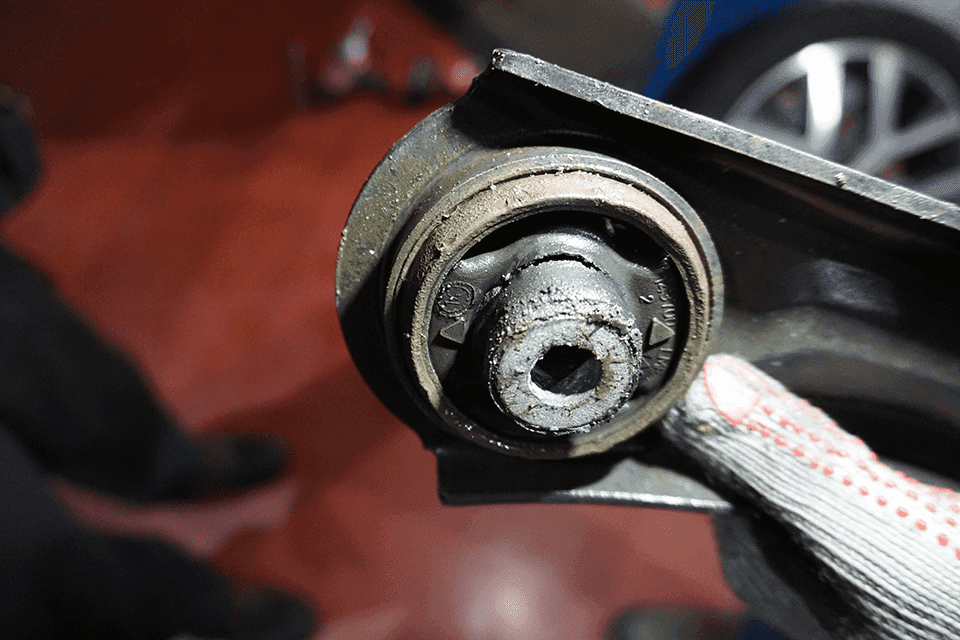
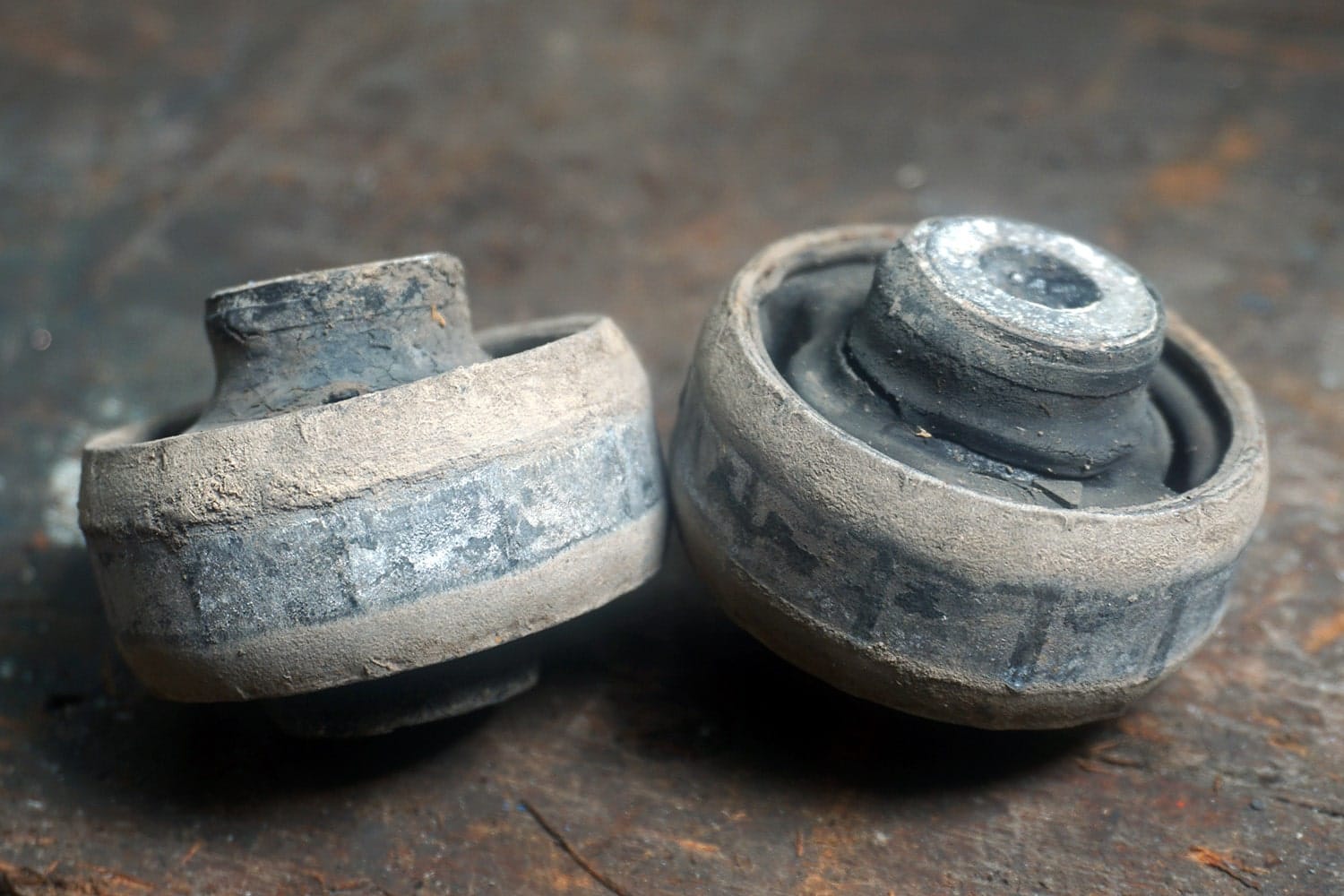
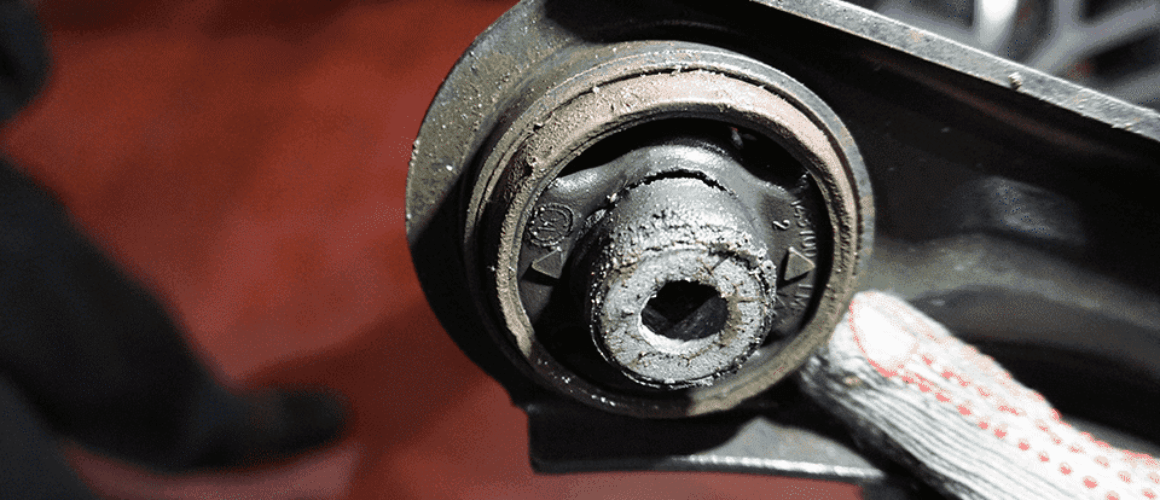
Original VW Audi Group Failed Wishbone Bushes
Common symptoms of worn Skoda suspension bushes
These are the searches owners make before they realise a bush (Generally: the OEM part number – 1K0-407-183-P, 1K0-407-183-M, 5C0-407-183-A, 5Q0-407-183-D, 5Q0-407-183-E, 5Q0-407-183-j) is the culprit.
1. Knocking or clunking over bumps
Usually heard at low speed on rough roads, over speed humps or potholes. A worn rear wishbone bush allows the arm to shift backwards and forwards, creating a dull thud rather than a sharp metallic knock. Common searches: “Skoda knocking noise front suspension”, “Octavia clunking over bumps”, “Superb front suspension knock”
2. Loose or vague steering
If the car feels like it needs constant correction on the motorway, or the steering no longer feels precise, the rear wishbone bushes are a prime suspect. Common searches: “Wandering steering on my Skoda”, “Octavia vague steering”, “Karoq unstable at speed”
3. Uneven tyre wear
Excessive movement in the wishbone can dynamically alter the toe and caster while driving. You may see inner-edge tyre wear even after alignment. Common searches: “Skoda uneven tyre wear”, “Octavia inner tyre wear”, “wishbone bush alignment issue”
4. MOT advisory or failure
MOT testers often note:
“Suspension arm bush deteriorated”
“Excessive movement in suspension arm bush”
“Bush split or perished”
At this point, replacement is the sensible option — and often cheaper than chasing repeated alignments or tyre wear problems.
The original rubber bushes do a good job of isolating vibration, but they’re exposed to:
Heat cycles
Road salt and water
Oil contamination
Heavy braking loads
Poor road surfaces and potholes
Vehicle weight increases on SUVs like the Kodiaq and Karoq
Over time, the rubber softens, cracks and separates / rips from the inner sleeve. On higher-mileage cars, this is entirely normal wear rather than a design fault.
Rubber vs polyurethane bushes: what’s the difference?
Feature
OEM Rubber
Polybush Polyurethane
Ride comfort
Excellent
Very close to OEM
Steering precision
Good
Improved
Longevity
Moderate
4-5 Times Longer Than Rubber
Oil/chemical resistance
Limited
Excellent
Maintenance
None
None (dry-fit design)
Handling under load
More Flex
More Controlled
Is Polybush okay for daily-driven vehicles?
For a daily-driven Skoda, a quality polyurethane bush like the Polybush 44EX is one of the best “fit and forget” upgrades you can make. You get tighter steering and better stability without turning the car into a harsh track car.
Polybush staff member and writer of this blog Ellis has been driving Superbs since 2011 – Having driven his hundreds of thousands of miles all over Europe, even from our North Wales HQ to South East Bulgaria. He knows how changing the smallest thing can make the biggest difference.
“I was fed up with replacing my suspension bushes, i’m very much a do it once, do it right kinda guy; so when I started working for Polybush that was exactly what I did, replaced my front wishbone bushes with Polybush, it was the best thing I did for my Mk3”
Polybush Staff Car’s Outside Our North Wales HQ
Installation notes from the workshop
A few practical points that help owners and mechanics alike:
Replace bushes in pairs
Always do both sides together – The design and material of the bushing is differnt to the original bushing. Replacing both bushes will provide correct and consistent handling.
Check the front bush too
The front wishbone rear bush is the common failure, but inspecting the front wishbone bush, ball joint, and drop links while the arm is off allows you to see an issue before it progresses
Wheel alignment is essential afterwards
Even if the alignment was fine before, removal of suspension arms and the installation of new bushes change the suspension geometry. A proper four-wheel alignment ensures the suspension is set up for the long term.
Polybush bushes are dry-fit
Unlike some polyurethane bushes, Polybush products do not require greasing. That means no messy installation and no squeaking later on.
Is this a DIY job?
For a competent DIYer with:
Axle stands
Torque wrench
Ball joint splitter
Bush press and other suitable tools
…it’s achievable. However, many owners choose to have a garage do the work because pressing bushes in and out can be awkward without the right equipment.
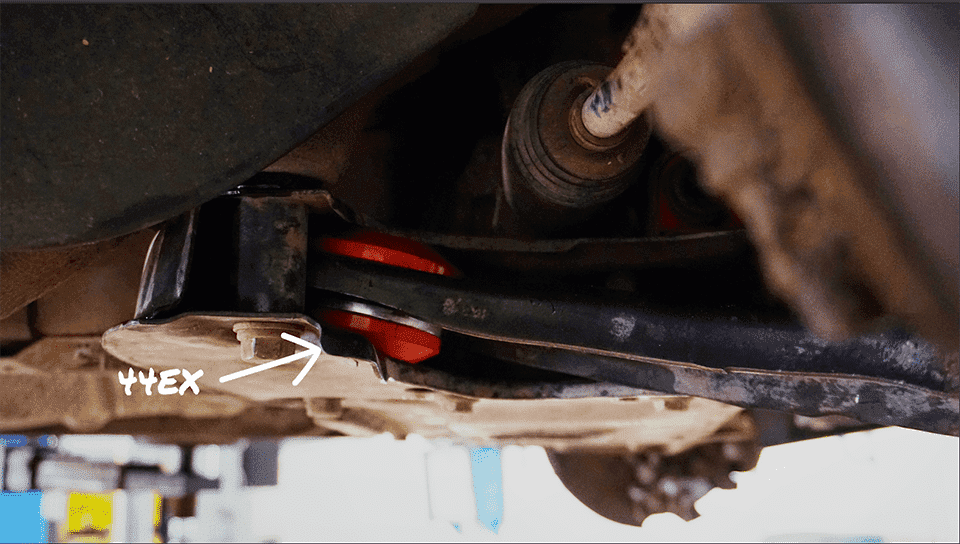
Recommended replacement: Polybush 44EX
The Polybush 44EX Front Wishbone Rear Bush is designed as a direct replacement for the OE rubber bush used across the Skoda, VW, Audi and SEAT MQB range.
Key points:
Direct replacement for OE part numbers including 1K0 407 183 P and 5Q0 407 183 D/E/J
Typically 40,000–80,000 miles depending on road conditions, driving style and vehicle weight.
Can worn bushes cause steering vibration?
Yes. Excess movement in the wishbone (bushing) can transmit vibration through the steering, especially under braking or on uneven roads.
Will polyurethane bushes make my Skoda uncomfortable?
A quality polyurethane bush like the Polybush 44EX is designed to retain near-OE comfort. You may notice slightly sharper steering response, but not a harsh ride.
Do I need an alignment after replacing bushes?
Yes. An alignment is strongly recommended after any suspension bush replacement.
What’s the difference between a wishbone bush and a control arm bush?
They’re the same thing in this context. “Wishbone”, “control arm” and “suspension arm” are different names for the same component.
Final thoughts
Suspension bush wear is one of those problems that creeps up gradually. Owners adapt to the looser steering and occasional knock until the car suddenly feels transformed after replacement.
For the Skoda range — especially Octavia, Superb, Karoq, Kodiaq, Scala and Yeti models — the front wishbone rear bush is a known wear point. Replacing it with a durable polyurethane option is a sensible long-term fix that improves stability, steering feel and confidence without compromising comfort.
If your Skoda is knocking, wandering or carrying an MOT advisory for suspension bushes, it’s worth inspecting the rear wishbone bushes before chasing more expensive faults.
Some vehicles have a story behind them. Others have several.
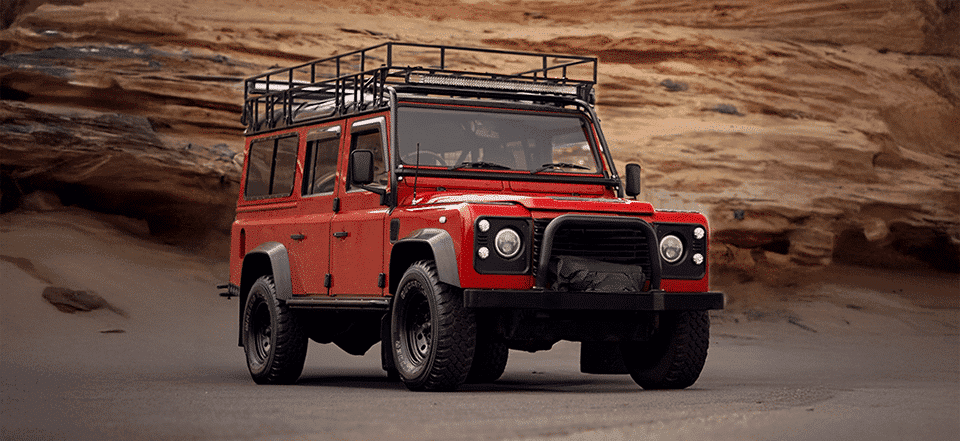
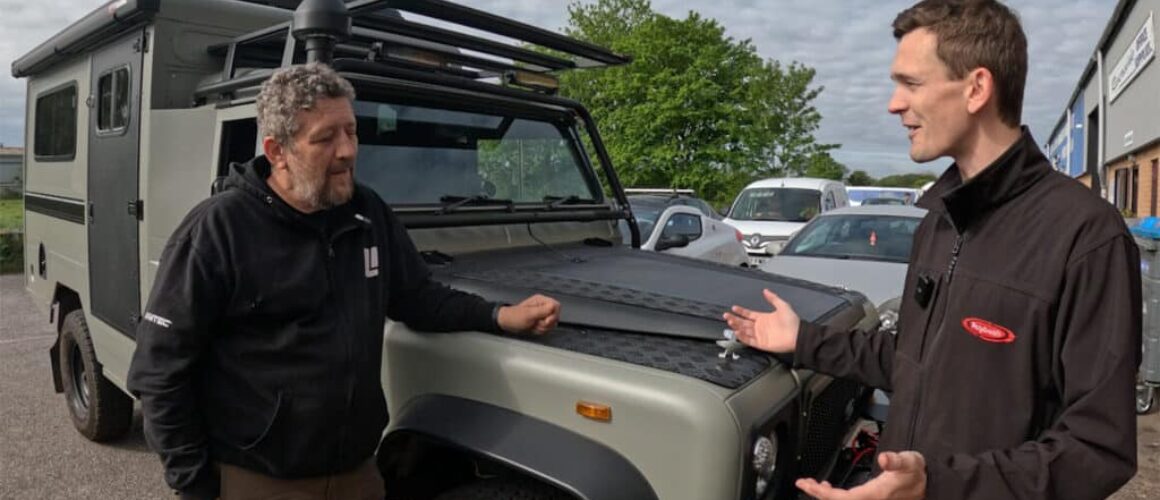
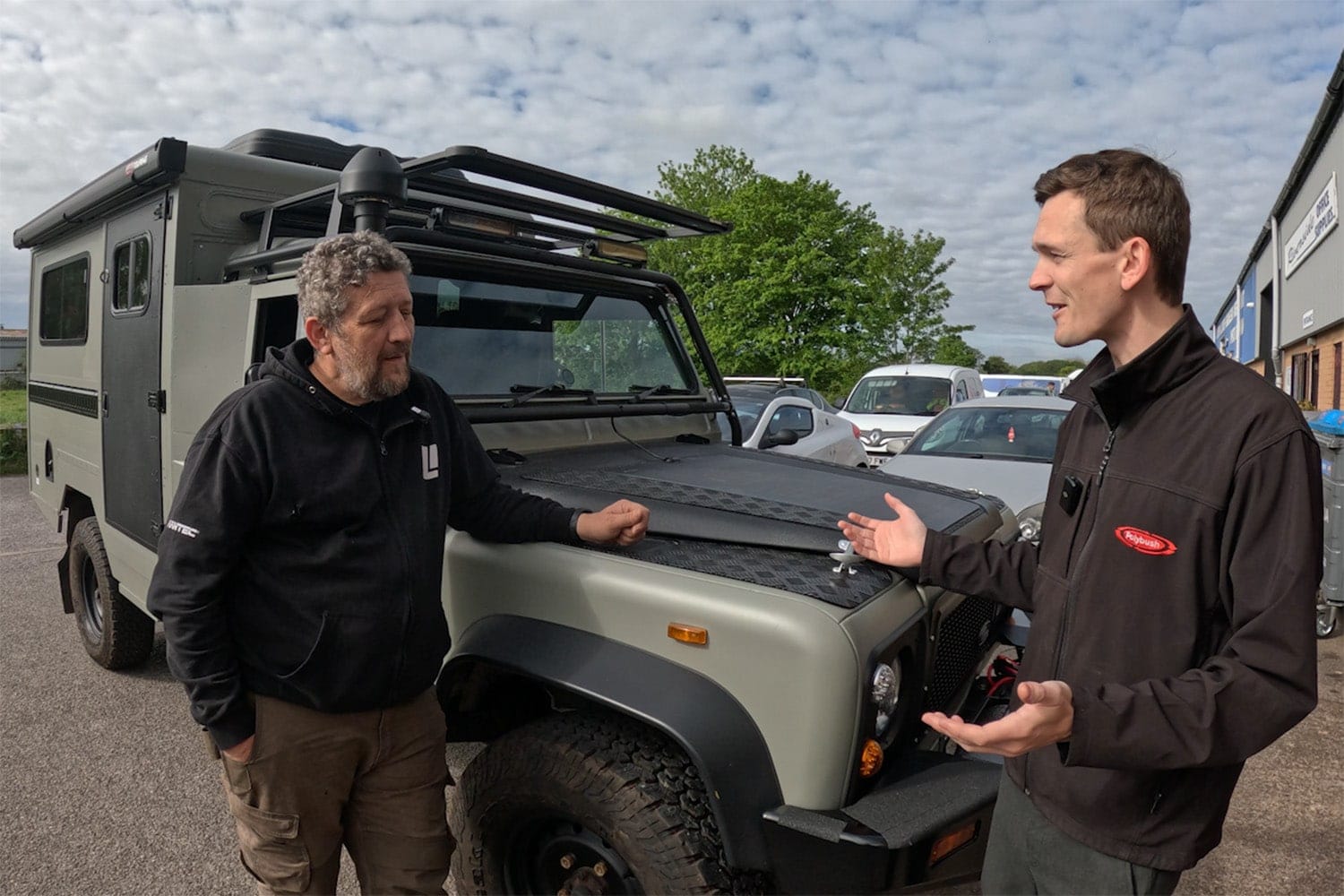
This Land RoverDefender 130 started life as a Royal shooting vehicle before eventually finding a new purpose as a capable overland build. Today, it belongs to our long-standing distributor, LR Centre, who approached us with an idea: document the installation of a complete Polybush suspension overhaul while showcasing one of the most interesting Defenders in their collection.
Working alongside Fraser from LR Centre’s marketing team, we put together a project that would not only improve the vehicle’s suspension performance but also provide a useful fitting guide for Land Rover enthusiasts looking to upgrade their own Defender.
A Defender 130 With History
The Defender 130 has always occupied a unique position within the Land Rover range. Offering increased load capacity and wheelbase length over the Defender 90 and 110, the 130 has become a favourite among expedition builders, commercial operators and enthusiasts looking for a practical long-distance touring vehicle.
This particular example has an even more unusual history.
Originally commissioned as a Royal shooting vehicle, it was built to support countryside estate duties before eventually transitioning into civilian ownership. Over time, it has been transformed into a well-equipped overland vehicle, ready for adventure while retaining the character and heritage that make older Defenders so appealing.
Like many classic Land Rovers, however, years of use inevitably take their toll on suspension components.
Why Replace Defender Suspension Bushes?
Suspension bushes are one of the most overlooked wear items on any Land Rover.
As original rubber bushes age, they begin to soften, crack and deteriorate. This can lead to vague steering, increased suspension movement, poor axle control and unwanted noise or vibration.
For a vehicle designed to travel long distances both on and off-road, maintaining proper suspension geometry and axle location is essential.
That’s where Polybush comes in.
The Complete Polybush Installation
For this project, we supplied a comprehensive range of suspension components covering virtually every major bush location on the vehicle.
The installation included:
Of particular interest were the uprated bonded bushes fitted to both the panhard rod and rear radius arm locations, helping to maintain precise axle control while retaining the compliance required for comfortable road use – We developed these for the Military many years ago and thought, what a perfect vehicle to use them on, being that it’s top-heavy.
Why Choose Polybush for a Defender 130?
Land Rover owners often face a choice between standard replacement rubber bushes and polyurethane alternatives.
At Polybush, our products are engineered specifically to offer the benefits of polyurethane without the drawbacks often associated with traditional rubber bushes – Read More
Longer Service Life
Unlike rubber, Polybush polyurethane bushes are highly resistant to oil contamination, road grime, UV exposure and age-related degradation.
Improved Steering Response
Reducing unwanted flex allows suspension components to work more effectively, helping maintain accurate steering and stable handling.
Comfort Remains a Priority
Our unique polyurethane formulation is designed to improve control without introducing excessive harshness into the ride.
No Grease Required
Unlike many polyurethane bushes on the market, Polybush products are designed to be fitted dry. There is no requirement for greasing and no risk of grease attracting dirt or causing future maintenance headaches.
Manufactured in the UK
Every Polybush component is manufactured in Britain using our proprietary polyurethane formulations and produced under ISO 9001-accredited quality systems.
Working with LR Centre
One of the most enjoyable aspects of this project was collaborating with the team at LR Centre.
As one of our trusted distributors and genuine Land Rover enthusiasts, they understand exactly what owners expect from their vehicles. Their Defender 130 provided the perfect platform to demonstrate both the installation process and the benefits of a complete suspension refresh.
Special thanks must also go to Fraser, whose enthusiasm for the project helped bring everything together. From planning the content through to documenting the vehicle’s history and overseeing production, his involvement ensured we could tell the story behind the Defender as well as the technical side of the upgrade.
The Result
Following the installation, the Defender retained everything that makes a classic Land Rover enjoyable while benefiting from improved suspension control, sharper steering feel and the confidence that comes from replacing decades-old suspension components.
For owners restoring a Defender, preparing an overland build or simply maintaining a cherished Land Rover, replacing worn suspension bushes remains one of the most effective upgrades available.
This project serves as a reminder that sometimes the best vehicles are those with a story to tell — and this ex-Royal Defender 130 certainly has plenty of stories left in it.
Watch the full installation video to see the complete Polybush upgrade and learn more about this remarkable Land Rover Defender 130 overlander.
Then you’re looking at one of the most common suspension problems found across modern Volkswagen Group vehicles.
The front wishbone rear bush is a known wear item on many Audi, Volkswagen, Seat and Skoda models. As the original rubber bush ages and deteriorates, it can cause a surprising number of handling and suspension issues that many owners mistakenly diagnose as worn shock absorbers, track rod ends or wheel alignment problems.
The good news? It’s often a relatively straightforward repair that can completely transform the way the vehicle drives.
What Are the Symptoms of a Failed Front Wishbone Rear Bush?
Most drivers notice the problem gradually.
The car doesn’t suddenly break down. Instead, it starts to feel less precise and less stable than it did when it was new.
Because the rear bush controls the movement of the wishbone, excessive play often creates noises that seem to come from multiple areas of the suspension.
Vague or Wandering Steering
Does your car feel like it needs constant correction on the motorway?
A worn rear wishbone bush allows the wheel alignment to change slightly under load, making the steering feel less direct and predictable.
Many owners describe it as:
Floating steering
Loose front end
Wandering on uneven roads
Reduced cornering confidence
Original VW Audi Group Failed Wishbone Bushes
Vehicle Pulling Under Braking
One of the clearest signs of rear wishbone bush wear is instability when braking.
As the bush softens or tears, the wheel can move rearwards under braking loads.
This can create:
Steering wheel movement during braking
Vehicle drift
Reduced directional stability
Uneven braking feel
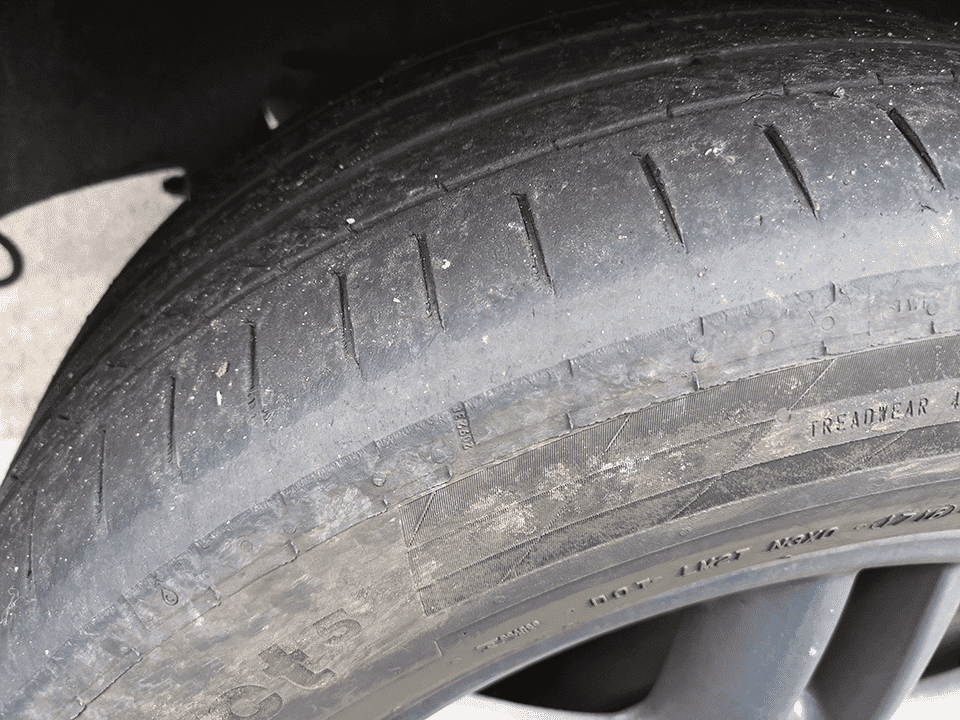
Uneven Tyre Wear
When suspension geometry is no longer held accurately, tyres often begin wearing unevenly.
Replacing tyres without fixing the worn bush usually means the problem returns.
Worn Tyres Caused By Failed Bushes
Why Does the Front Wishbone Rear Bush Fail?
The simple answer is that rubber wears out.
The original bush is designed to isolate vibration and provide comfort, but over time it is subjected to:
Constant braking forces
Cornering loads
Road impacts
Heat cycles
Oil contamination
Road salt and dirt
Eventually, the rubber begins to crack, soften or separate from its outer housing.
Once this happens, the wishbone can move more than it should.
That movement is what creates the knocking, instability and vague steering that many drivers experience.
The OEM Bushes Most Commonly Replaced
Owners often search for the following OEM part numbers when diagnosing suspension problems:
1K0 407 183 P
1K0 407 183 M
5C0 407 183 A
5Q0 407 183 D
5Q0 407 183 E
5Q0 407 183 J
These bushes are fitted across a huge range of Volkswagen Group vehicles and are one of the most frequently replaced suspension components as mileage increases.
44EX Fitted To A MK7 Golf
Why Simply Replacing Rubber Isn’t Always the Best Solution
Many owners replace worn bushes with standard rubber replacements only to face the same failure again several years later.
The reality is that rubber remains vulnerable to:
Age-related cracking
Oil contamination
UV exposure
Repeated loading
Environmental deterioration
For drivers intending to keep their vehicle long-term, a more durable material makes sense.
The Long-Term Solution: Polybush 44EX
Polybush 44EX has been developed as a direct replacement for the original front wishbone rear bush used across many Audi, Volkswagen, Seat and Skoda models.
Manufactured in the UK using Polybush’s proven polyurethane formulation, it is designed to provide long service life whilst maintaining everyday ride comfort.
– Resistant to oil, chemicals and road contamination
– No grease required
– No squeaking
– Manufactured in the UK
– ISO 9001 quality assured
Unlike conventional rubber bushes, polyurethane does not suffer from the same rapid age-related deterioration, making it an ideal upgrade for daily drivers, performance vehicles and high-mileage cars alike.
Vehicles Covered by Polybush 44EX
This bush fits a wide range of popular Volkswagen Group models, including:
Is Your Front Wishbone Rear Bush Starting to Fail?
If your vehicle has developed a front suspension knock, vague steering, instability under braking or uneven tyre wear, the front wishbone rear bush should be one of the first components inspected.
It’s one of the most common suspension failure points across the VW Golf, Audi A3, Skoda Octavia, Seat Leon, Tiguan and related models.
Replacing worn bushes with Polybush 44EX not only restores handling and stability but also helps prevent the same problem from returning in the future.
If you’re chasing a rear-end knock on a Fiat 500, 500C or Abarth 312 or Abarth 312C, there’s a very high chance the issue is coming from the rear upper shock absorber bushes. These small rubber mounts sit at the top of the rear dampers and play a critical role in keeping the suspension controlled, quiet and properly located.
On paper, they’re simple components. In reality, they’re one of the most common failure points on this platform.
What the rear upper shock bush actually does
The rear upper shock bush is responsible for:
Isolating vibration from the damper into the body
Keeping the shock absorber correctly located
Controlling movement under compression and rebound
Preventing metal-to-metal contact at the mounting point
On the Fiat 500 / Abarth 312 platform, these bushes (including OEM references such as 51857841, 51864833, 81857840, 51860150, 51857842, 50709731, 1540225, 1578532, 1672372, 9S51-18125-AB / AC / AA) are relatively small and made from soft rubber compounds designed primarily for comfort.
That’s where the problems begin.
Why rear shock bushes fail on the Fiat 500 / Abarth 312
1. Compression set (primary failure mode)
The most common issue is compression set, where the rubber permanently deforms under load.
Once this happens:
The bush loses its original shape and height
The shock absorber eyelet becomes loosely located
Small movements develop at the mount under load
This is what produces the familiar rear knocking noise over bumps.
2. Rubber fatigue and ageing
Over time, rubber naturally degrades due to:
Heat cycles from suspension movement
Exposure to moisture, road salt and contaminants
General ageing and hardening
As the rubber hardens, it loses its ability to absorb vibration, cracks begin to form, and the structural integrity is reduced. This is what turns a flexible and comfort-driven bushing into an unconstrained failing bushing.
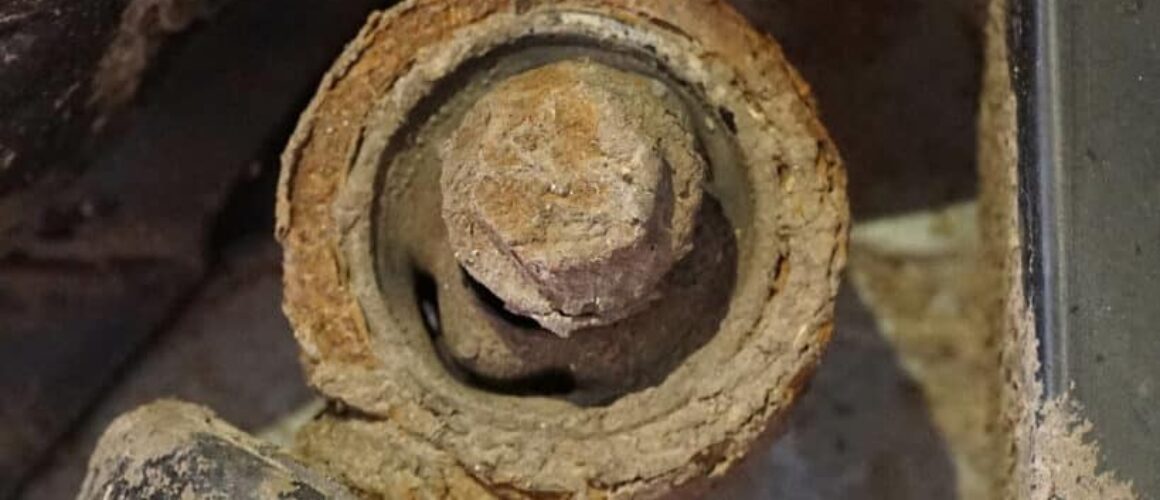
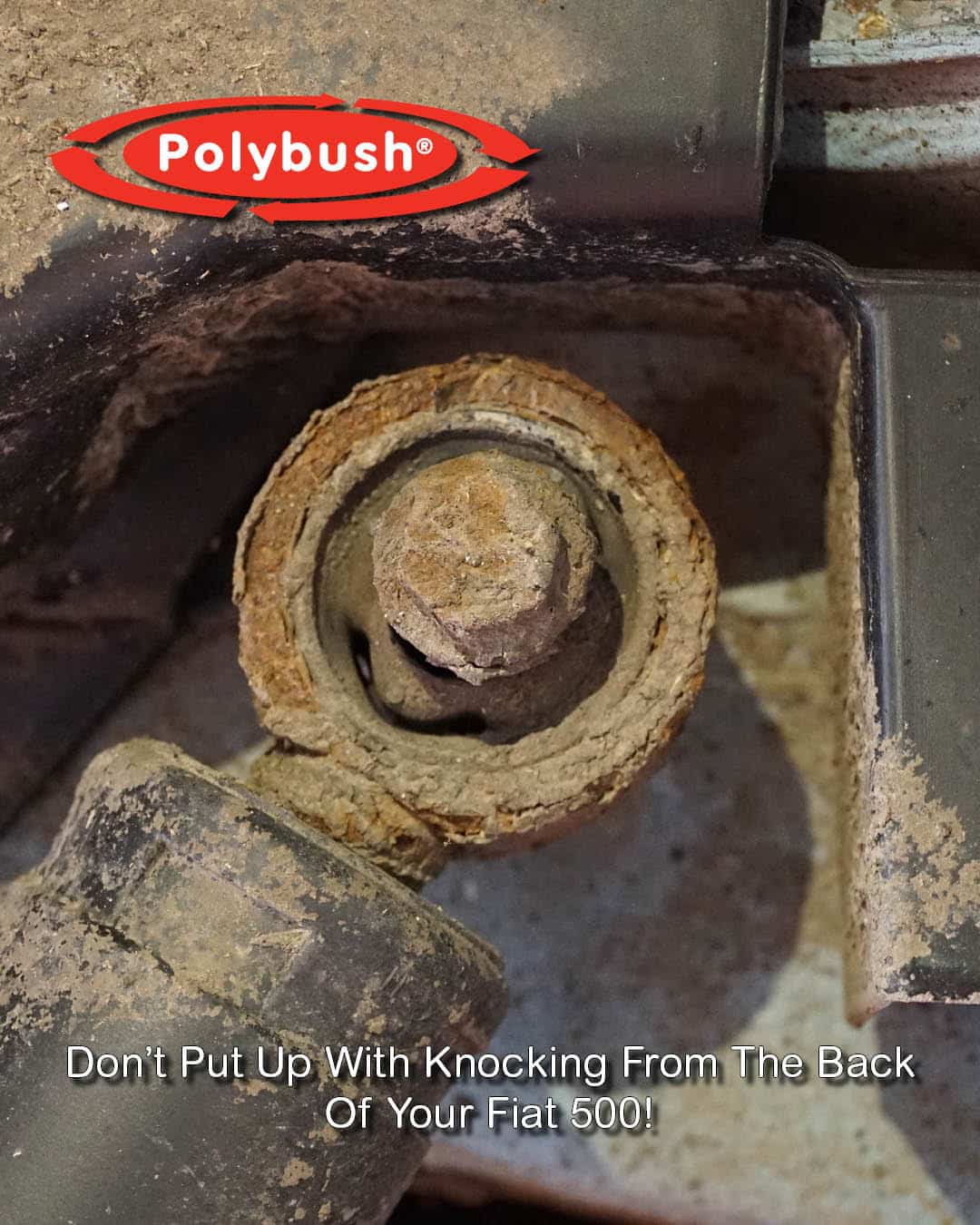
The Fiat 500 platform may be small, but it is exposed to significant suspension loads due to its short wheelbase, potholes and speed bumps in urban driving and aggressive compression and rebound cycles from the state of the roads in the UK and Europe – Combined with ‘enthusiastic’ driving found in Abarth models, these repeated shock loads cause internal tearing of the rubber, leading to splitting around the inner sleeve, separation from the outer housing, & knocking from the rear of the vehicle.
3. Progressive failure that’s easy to miss
One of the biggest issues is that failure is gradual:
First signs: occasional light knock
Progression: more frequent rear-end thudding
Final stage: constant knocking and instability over bumps
By the time the noise is obvious, the bush is often already significantly compromised.
Symptoms of worn rear upper shock bushes
Common driver complaints include:
Rear-end knocking over bumps
Dull thud from the rear axle area
Reduced rear-end stability
Harshness over uneven roads
A feeling of looseness at the back of the vehicle
These symptoms are often misdiagnosed as shock absorber failure, when in reality the damper is usually fine — it’s the mounting bush that has collapsed.
Why replacement rubber often fails again
Standard replacement rubber bushes typically replicate OEM design characteristics:
Soft compliance for comfort
Limited resistance to compression set
Similar material degradation over time
As a result, repeated failure is common on high-mileage or frequently driven vehicles.
How Polybush improves durability and control
Upgrading to polyurethane significantly changes how the suspension behaves under load.
The 24Y Rear Shock Absorber Upper Bush is designed to address the core weaknesses of the OEM design by:
Maintaining shape under sustained load
Resisting compression set
Reducing unwanted shock movement at the mounting point
Improving consistency of rear suspension behaviour
Rather than degrading over time like rubber, polyurethane retains its structural stability, helping to maintain predictable handling and eliminate knocking caused by excessive bush movement.
Rear upper shock bushes on the Fiat 500 and Abarth 312 platform are a known weak point due to their size, material composition and constant exposure to shock loading. Failure typically begins with compression set and progresses into tearing and loss of location, resulting in rear-end knocking and reduced suspension control.
Addressing this component properly is key to restoring rear-end stability and eliminating persistent suspension noise.